One lake-access day
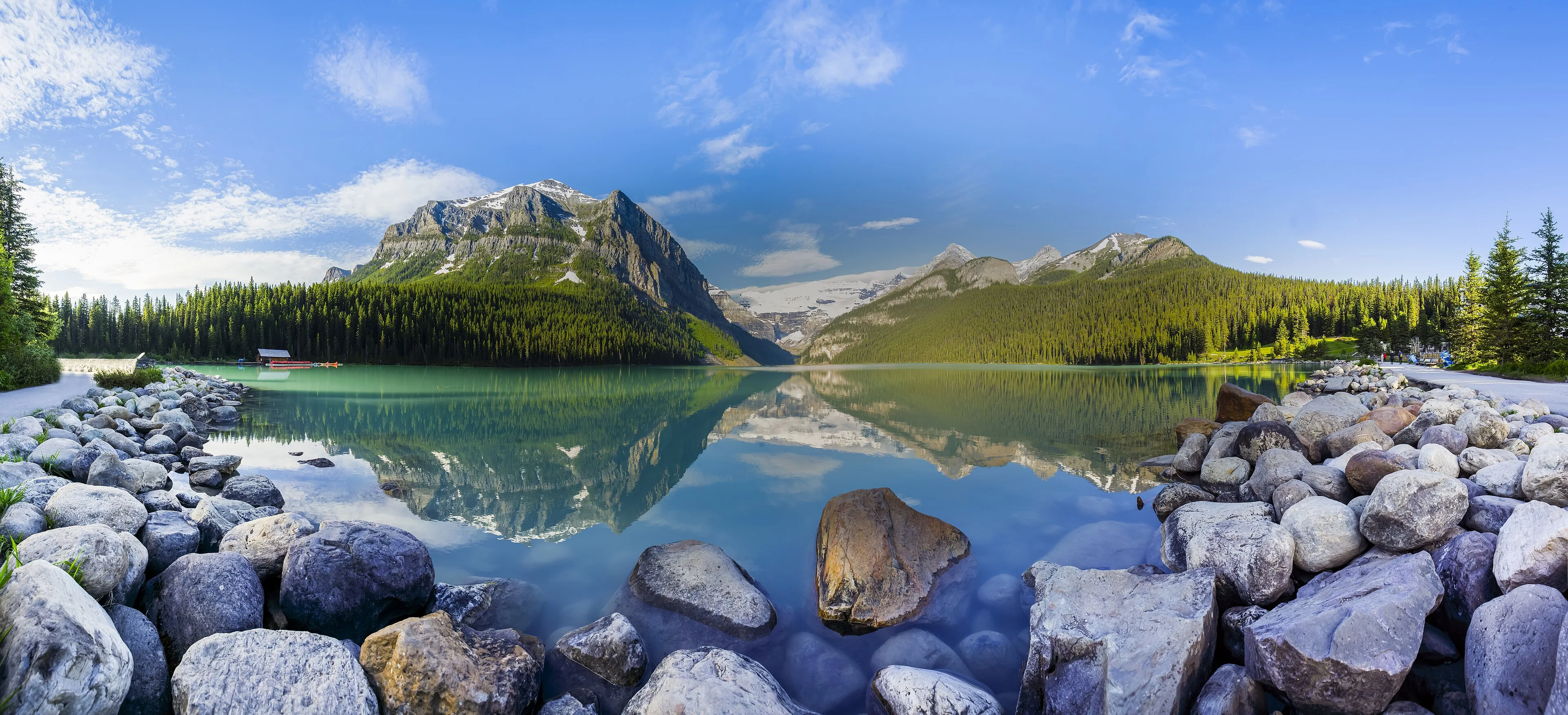
Canada · LIFE LISTFirst-visit notes
Life List · First-visit field guide
Banff National Park
A first-visit Canadian Rockies park where the main challenge is not finding scenery, but sequencing bases, lake access, transit, reservations, wildlife awareness, and mountain-weather flexibility into a believable trip.
Why it belongs on the listWhy it belongs on your Life List
What makes this place worth a lifetime detour
Life List status is about an experience that is difficult to substitute, not simply popularity.
Banff belongs on a Life List because it is one of the clearest expressions of the Canadian Rockies: glacier-fed lakes, limestone peaks, wildlife corridors, and a mountain-town gateway all compressed into a first visit that can still feel genuinely wild when planned well.
Signature experiences
The experiences that define this park
These are representative experiences, not a promise that every activity will be available under current conditions.
- 01
See Lake Louise or Moraine Lake with a deliberate access plan rather than treating them as drive-up stops
- 02
Spend one day moving through a distinct mountain corridor instead of collecting viewpoints
- 03
Take a moderate hike that gives scale to the Rockies beyond the roadside
- 04
Use a mix of transit, shuttle, and road travel to experience the park without making parking the trip
What counts as a complete first visit
A satisfying first completion, not an exhaustive conquest
Use this as a collection-minded benchmark while allowing weather, access, safety, and local rules to change the exact itinerary.
One mountain road or valley day
One meaningful walk or hike
One flexible block for weather, wildlife, or closure changes
First-visit verdict
Decide the shape of the trip before the bookings
This page is durable planning context, not a live conditions feed. Recheck every authority before departure.
Best planning window
Late June–September is the broadest first-visit planning window for many classic road, lake, and day-hiking itineraries, but elevation, snow, wildfire smoke, seasonal roads, and operating dates can materially change what is practical.
First visit
3–5 days for Banff alone; more if Banff is paired with Jasper or slower hiking days
Gateway logic
Calgary is the main air gateway; Banff townsite is the most practical first base for many visitors, while Lake Louise works better when lake-area access and early starts dominate the plan.
Reservation pressure
Very high
Effort
Moderate
Primary caution
Fast-changing alpine conditions, wildlife, cold water, and unrealistic travel time between high-demand areas
Trip fit
Who this park suits
Match the access model and pace to the travelers, not only the scenery.
Good fit
- First-time Canadian Rockies visitors
- Families who prefer strong visitor infrastructure
- Road trippers
- Moderate day hikers and scenic travelers
Less suitable when
- Travelers expecting every famous lake to be spontaneous drive-up access
- Visitors who do not want to coordinate transport or reservations
- Itineraries that leave no room for mountain weather or wildlife restrictions
Transport fit
- Rental car for regional flexibility
- Calgary-to-Banff regional transport
- Roam Public Transit and Parks Canada shuttles for high-pressure destinations
Priority order
Build the first visit around these decisions
Keep the plan credible before adding optional stops.
- 01
Choose the trip base before collecting attractions: Banff townsite and Lake Louise solve different access problems.
- 02
Treat Lake Louise and Moraine Lake as a transport-planning decision, not as ordinary roadside stops.
- 03
Keep at least one part of the itinerary flexible enough to absorb weather, trail, road, wildlife, or closure changes.
- 04
Decide which days genuinely need a car and which are better handled by transit or shuttle.
Planning decisions
Make the high-friction choices explicit
These are the decisions most likely to change the shape of a first visit.
Lake Louise and Moraine Lake need their own access plan
These two lakes are the most common point where a first Banff itinerary stops being spontaneous. Parks Canada explicitly directs visitors toward shuttles and transit, and Moraine Lake Road is closed to personal vehicles year-round.
- Choose the lake-access method before fixing the rest of that day.
- Parks Canada shuttle reservations use controlled inventory and can sell quickly; verify the current release process for your travel date.
- A Lake Louise plan should include a fallback that does not depend on finding a last-minute parking stall.
A car is useful, but it should not control every day
Banff is unusually workable as a mixed-mode mountain trip. A rental car helps with regional flexibility, while Roam Public Transit and Parks Canada services can reduce parking pressure at popular destinations.
- Use the car for geography where it adds real flexibility, not simply because it is available.
- Check current Roam and Parks Canada schedules before assigning time-sensitive connections.
- If the trip starts in Calgary, decide whether the first days actually require a rental car before paying to park it in Banff.
Three to five days works only when each day has one main job
Banff looks compact on a map, but mountain roads, popular stops, trail time, shuttle check-in, weather, and wildlife congestion make attraction-counting a poor planning method.
- Group destinations by corridor rather than by popularity.
- Give lake-access days fewer competing stops.
- Treat hiking time estimates as only one part of the day; add transport, parking or shuttle, food, and weather margins.
Wildlife rules change how you stop, store food, and use trails
Parks Canada requires visitors to keep wildlife wild: do not feed or approach animals, store food and scented items securely, obey closures, and avoid creating roadside congestion around sightings.
- Keep food, garbage, pet food, and scented items secured exactly as Parks Canada directs.
- Stay at least 100 m from bears and at least 30 m from elk, using the latest Parks Canada guidance.
- A warning or closure is a reason to change the plan, not a challenge to route around informally.
Common mistakes
What makes a first visit harder than it needs to be
Building the itinerary around drive-up access to Moraine Lake or assuming Lake Louise parking will be a reliable fallback.
Underestimating transfer time between Banff, Lake Louise, Johnston Canyon, and other headline areas.
Booking every day tightly enough that a closure, weather shift, or wildlife restriction breaks the entire sequence.
Treating wildlife sightings as attractions to approach instead of unpredictable encounters governed by distance and attractant rules.
Wildlife, safety, and care
Leave certainty out of the plan
Weather, wildlife, roads, closures, reservations, and local operating rules can change.
Wildlife and safety
Wildlife may be present near roads, towns, campgrounds, and trails. Parks Canada currently instructs visitors to stay at least 100 m from bears and 30 m from elk, never feed or entice wildlife, secure food and scented items, and remain in the vehicle when viewing wildlife from the road.
Conservation
Use designated access systems, stay on established trails and viewpoints, keep attractants secured, respect seasonal closures and restrictions, and let current Parks Canada conservation rules override an older itinerary.
Before departure
Recheck what can change
Do not rely on a saved itinerary for operating conditions.
- 01
Banff National Park important bulletins and seasonal closures
- 02
Lake Louise and Moraine Lake shuttle reservation process and operating dates
- 03
Current trail conditions for any planned hike
- 04
Current Roam Public Transit schedules for transit-dependent days
- 05
Current park-pass requirements and fees
- 06
Weather, air quality, wildfire, and wildlife notices close to departure
Related decisions
Use the park in a real trip decision
These guides compare access, pacing, transport, or trip structure without duplicating this park-level guide.
Banff vs Jasper for a First Canadian Rockies Trip
Choose between Banff and Jasper by access friction, driving scale, visitor infrastructure, recovery context, and how much itinerary flexibility you are willing to carry.
Open decision guideHow to Pace a First Banff and Jasper Road Trip
Build the Canadian Rockies trip around corridor days, one major job per day, and enough slack for mountain conditions rather than a long checklist of famous stops.
Open decision guideCan You Visit Banff Without a Car?
A Banff trip without a private car can work well when the itinerary is built around regional transport, Roam Transit, Parks Canada shuttles, and destinations that fit those networks.
Open decision guideWhere to Stay for a First Banff and Jasper Trip
Compare Banff, Canmore, Lake Louise, and Jasper by the days you intend to take, not only by room price or distance on a map.
Open decision guideHow to Plan the Lake Louise and Moraine Lake Shuttle
Choose the correct starting point and ticket for Lake Louise and Moraine Lake, then leave enough time for check-in, the connector, and the last return.
Open decision guideBanff and Jasper Park Passes vs Shuttle and Camping Reservations
Separate park admission from lake transport, campsite bookings, and activity permits so one confirmation does not create a false sense that the trip is fully booked.
Open decision guideKeep comparing
Mountains & Glaciers
Altitude, weather, roads, shuttles, hiking seasons, and multi-day pacing.
Regional field guide
Canadian Rockies: Banff and Jasper
Choose a Banff, Lake Louise, or Jasper base, then solve lake access and park reservations before filling a first Canadian Rockies itinerary.