Greater Yellowstone: Yellowstone and Grand Teton
Decide whether the trip needs Yellowstone road loops, a Grand Teton lake-and-mountain day, or both; then match the overnight bases and official road checks to that choice.
Plan this region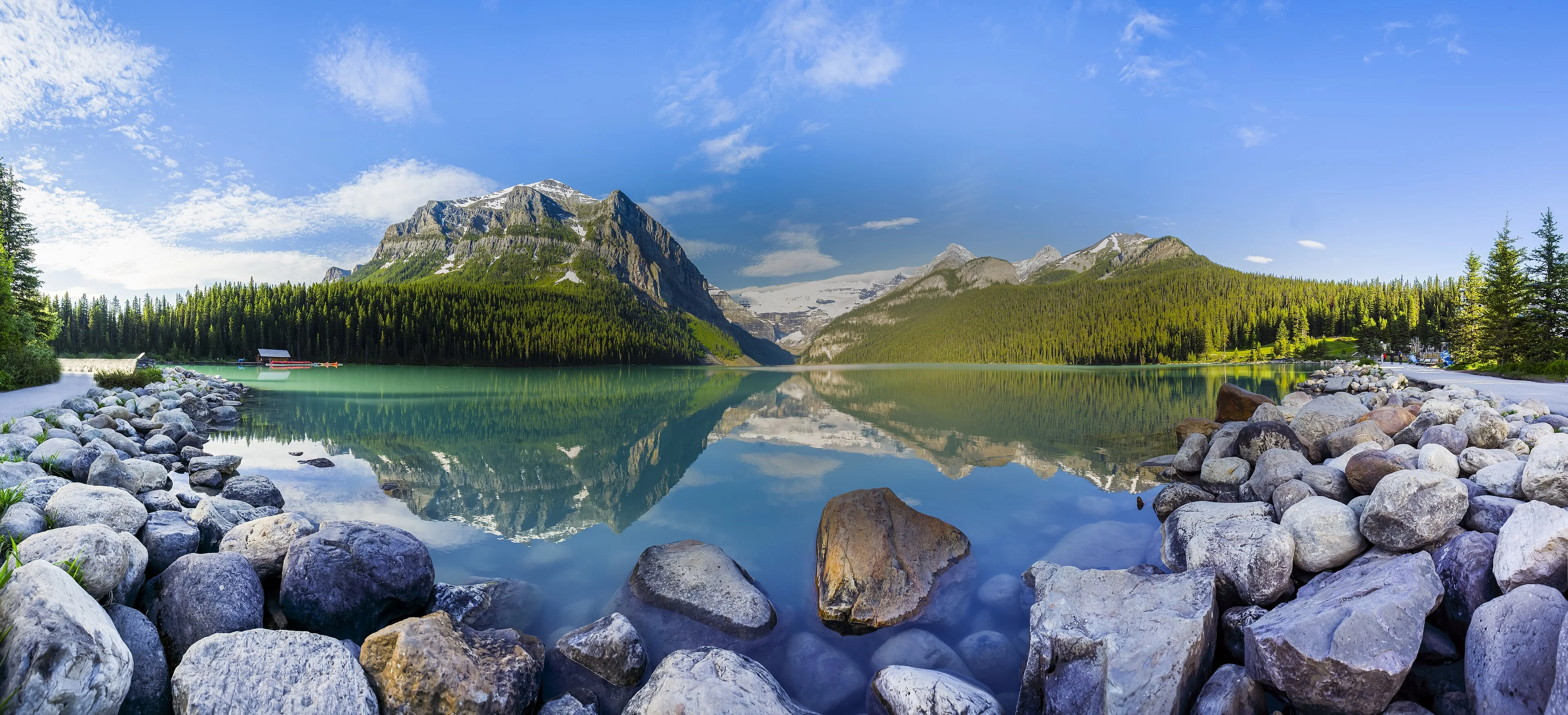
Landscape field guide
Large alpine parks where distance, elevation, exposed weather, and seasonal transport shape the visit before any trail choice does.
Compare the parksDecision summary
Altitude, weather, roads, shuttles, hiking seasons, and multi-day pacing.
Build around the workable road and hiking window, then leave weather room.
Read the field note 02 · ACCESSExpect long transfers, limited gateways, or park shuttles.
Read the field note 03 · RESERVESecure constrained stays and transport before filling the itinerary.
Read the field note 04 · FITTravelers comfortable with changeable weather and measured pacing.
Read the field noteRegional field guides
Compare overnight bases and the access rules that make each region different.
Decide whether the trip needs Yellowstone road loops, a Grand Teton lake-and-mountain day, or both; then match the overnight bases and official road checks to that choice.
Plan this regionChoose a Bear Lake walking day, a Trail Ridge landscape day, or a west-side valley day before selecting Estes Park or Grand Lake and checking current NPS access.
Plan this regionChoose a Banff, Lake Louise, or Jasper base, then solve lake access and park reservations before filling a first Canadian Rockies itinerary.
Plan this regionDecide between day visits and a booked W Trek, then choose a Puerto Natales or park-side base and connect the correct entrance, bus and lake crossing.
Plan this regionChoose Te Anau for Fiordland or Wānaka for Mount Aspiring, then plan a Milford Road, valley walk or booked multi-day track with its own weather and access rules.
Plan this regionPark guides
Compare individual parks after deciding which landscape and access pattern fits your trip.
Two connected mountain parks treated as one first-visit collection, with glacier-fed lakes, long scenic corridors, and weather-led pacing.
Official sources
Authority guidance can change. Recheck before departure.
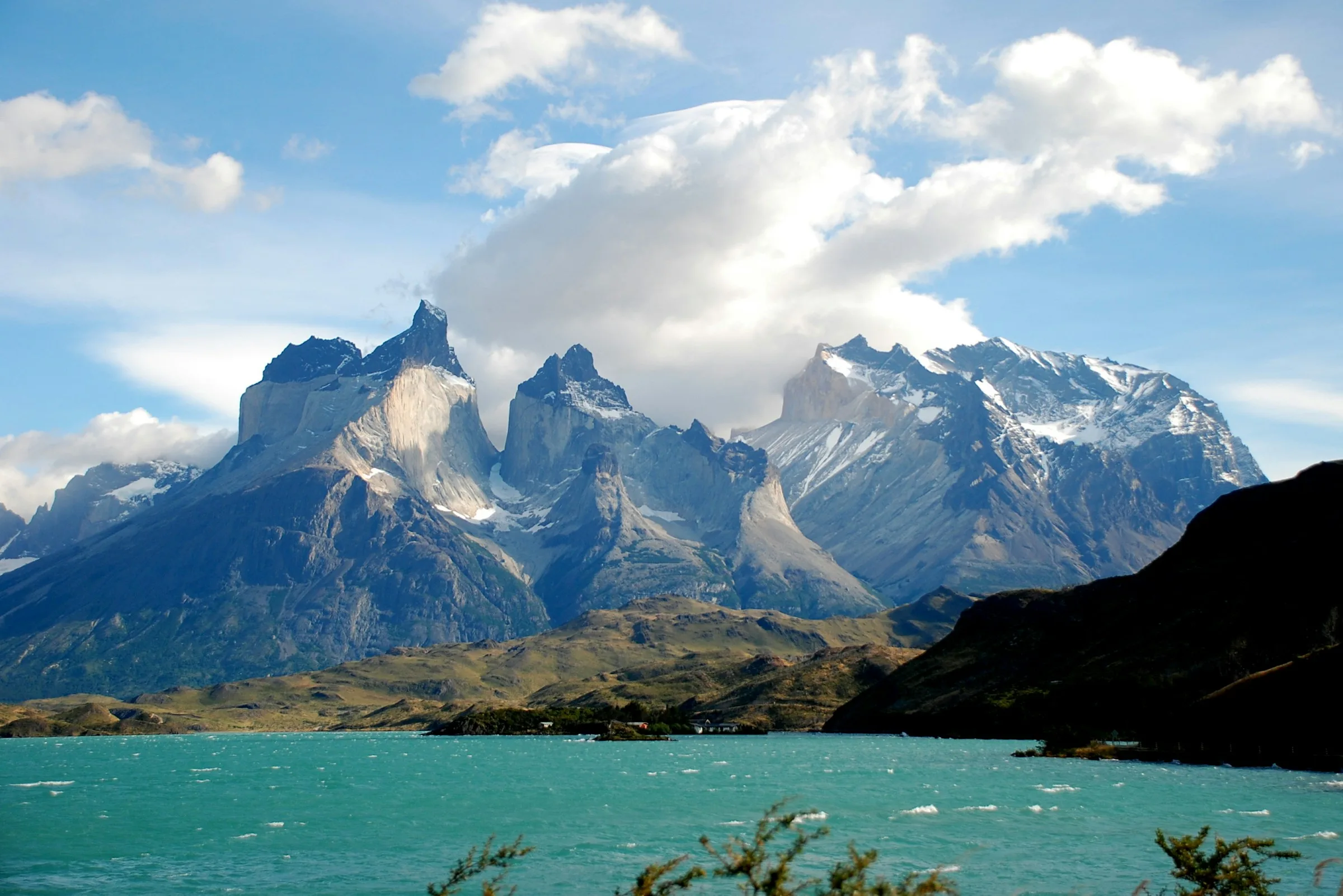
Patagonian granite, open steppe, and exposed trails connected by limited roads, transfers, and refugio systems.
Official source
Authority guidance can change. Recheck before departure.
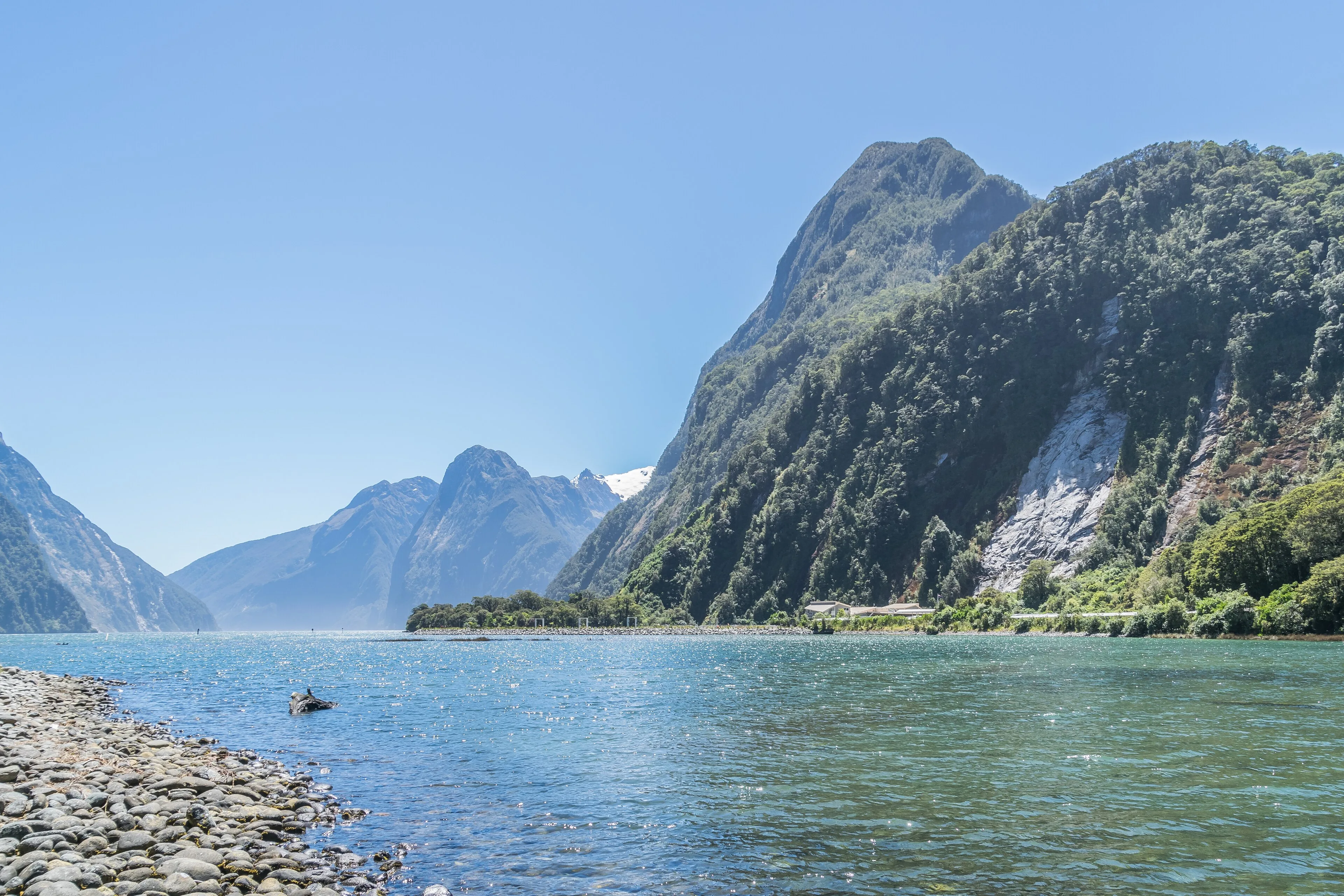
A rain-shaped fiord landscape reached by a long alpine road, scheduled transport, boat travel, or multi-day tracks.
Official source
Authority guidance can change. Recheck before departure.
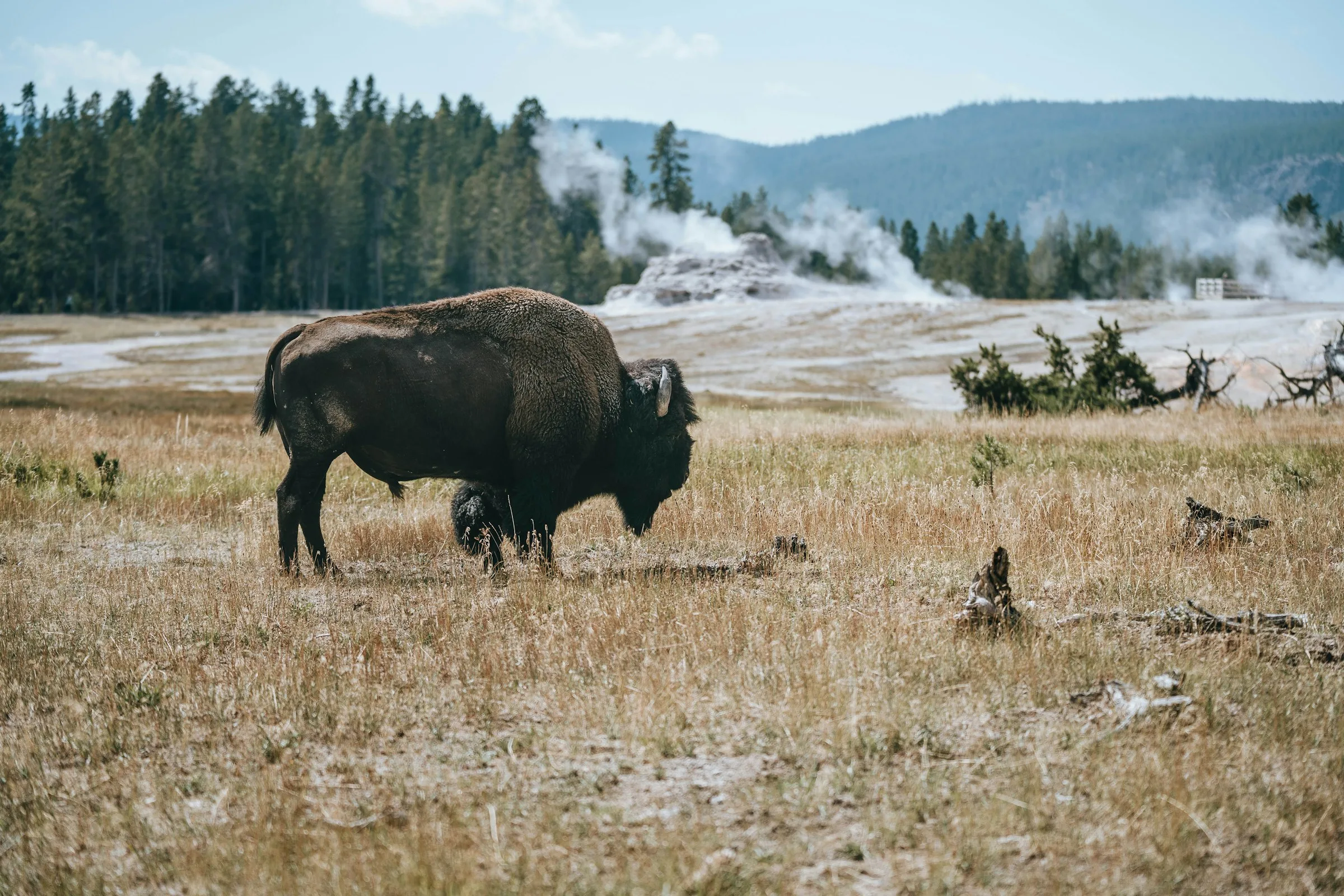
A vast road-based park where geothermal areas, wildlife corridors, altitude, and driving time compete for the same day.
Official source
Authority guidance can change. Recheck before departure.
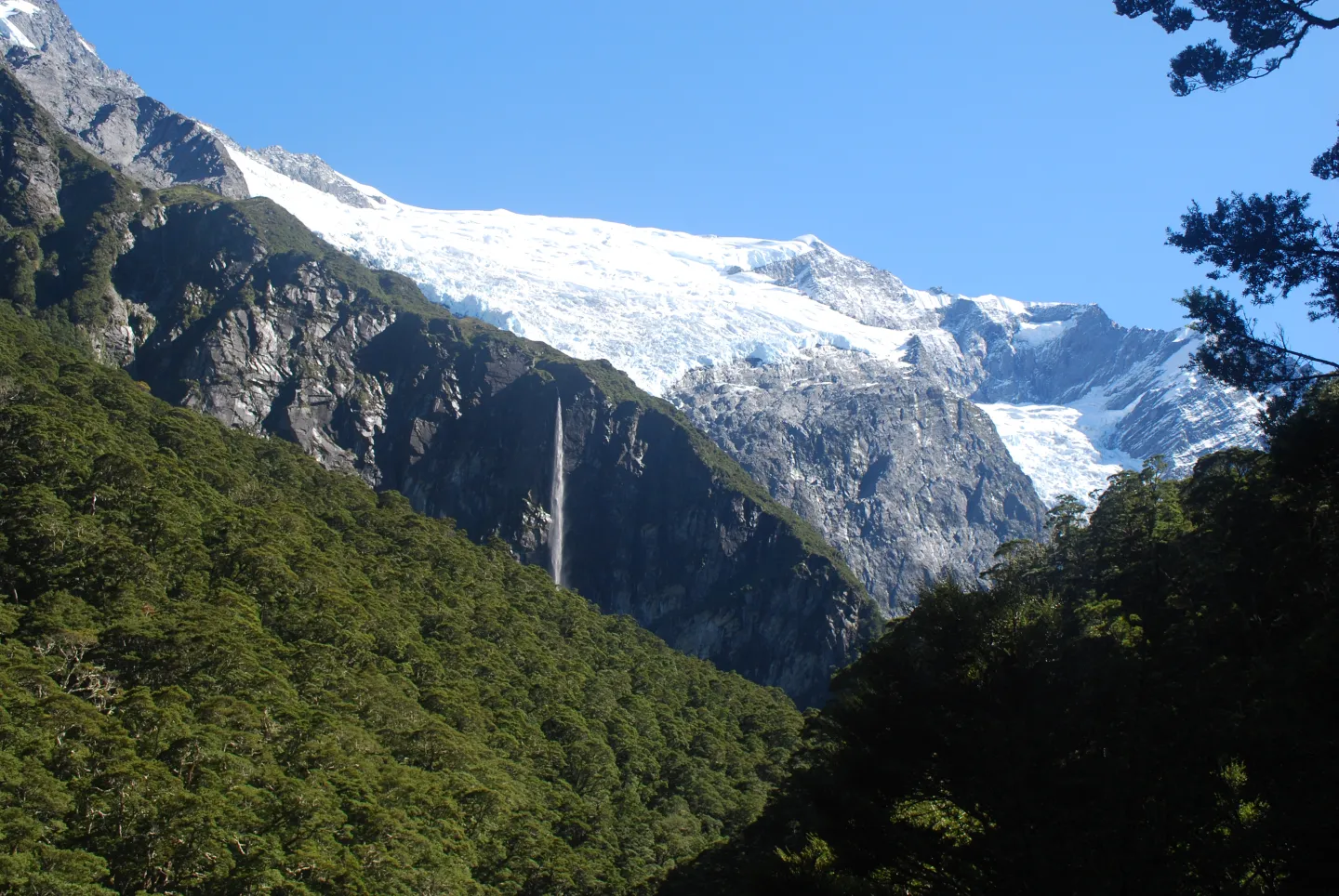
Choose one Mount Aspiring valley from Wānaka or the wider Queenstown region before choosing a walk. Matukituki day walks and the Rob Roy viewpoint differ from remote alpine routes in road access, river and avalanche exposure, and the skill needed to turn around safely.
Official sources
Authority guidance can change. Recheck before departure.
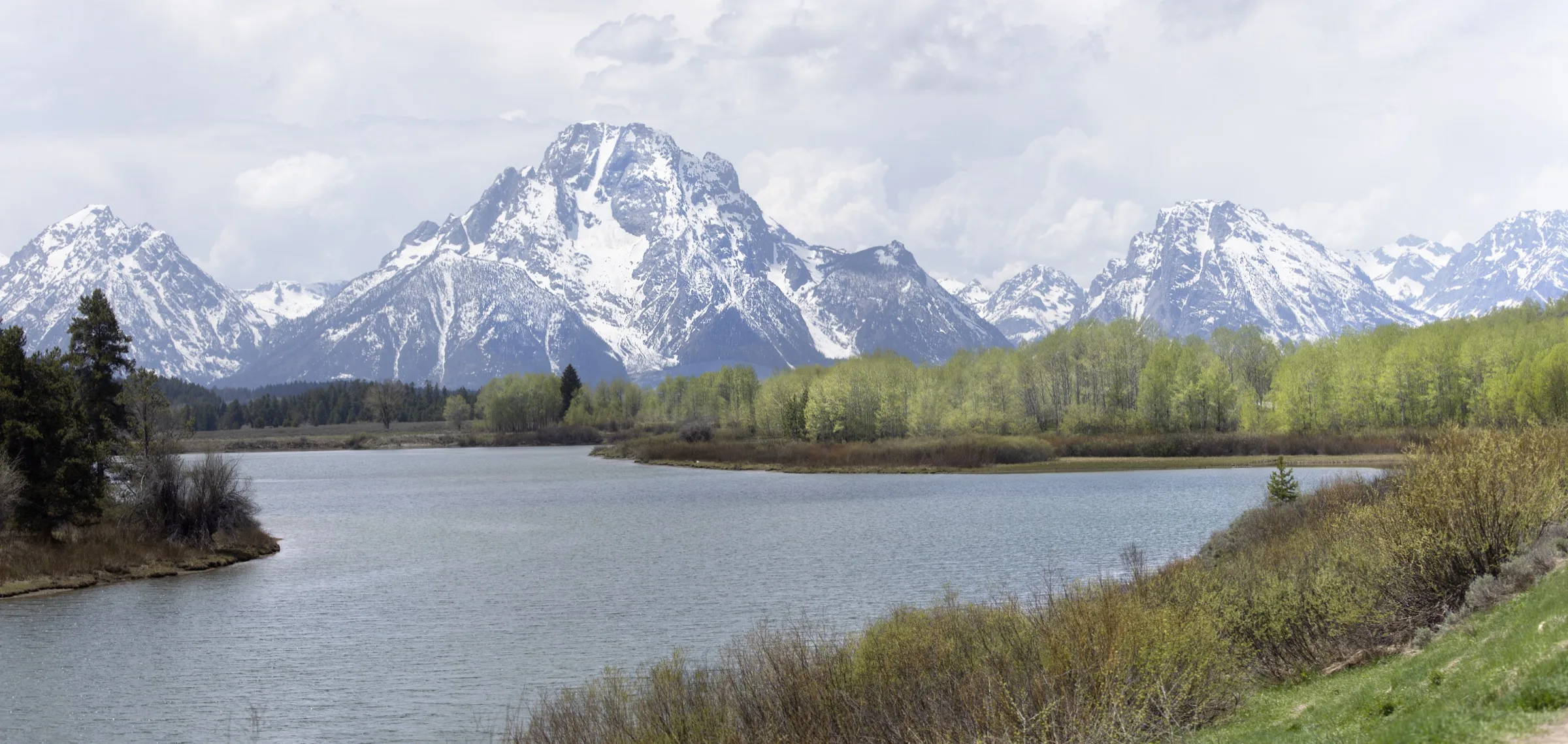
A Teton first visit works best when you choose a lake-and-trail day, a scenic valley day, or a wildlife-aware road day before deciding where to sleep. Yellowstone is nearby but has its own entry, roads, and overnight plan.
Official sources
Authority guidance can change. Recheck before departure.
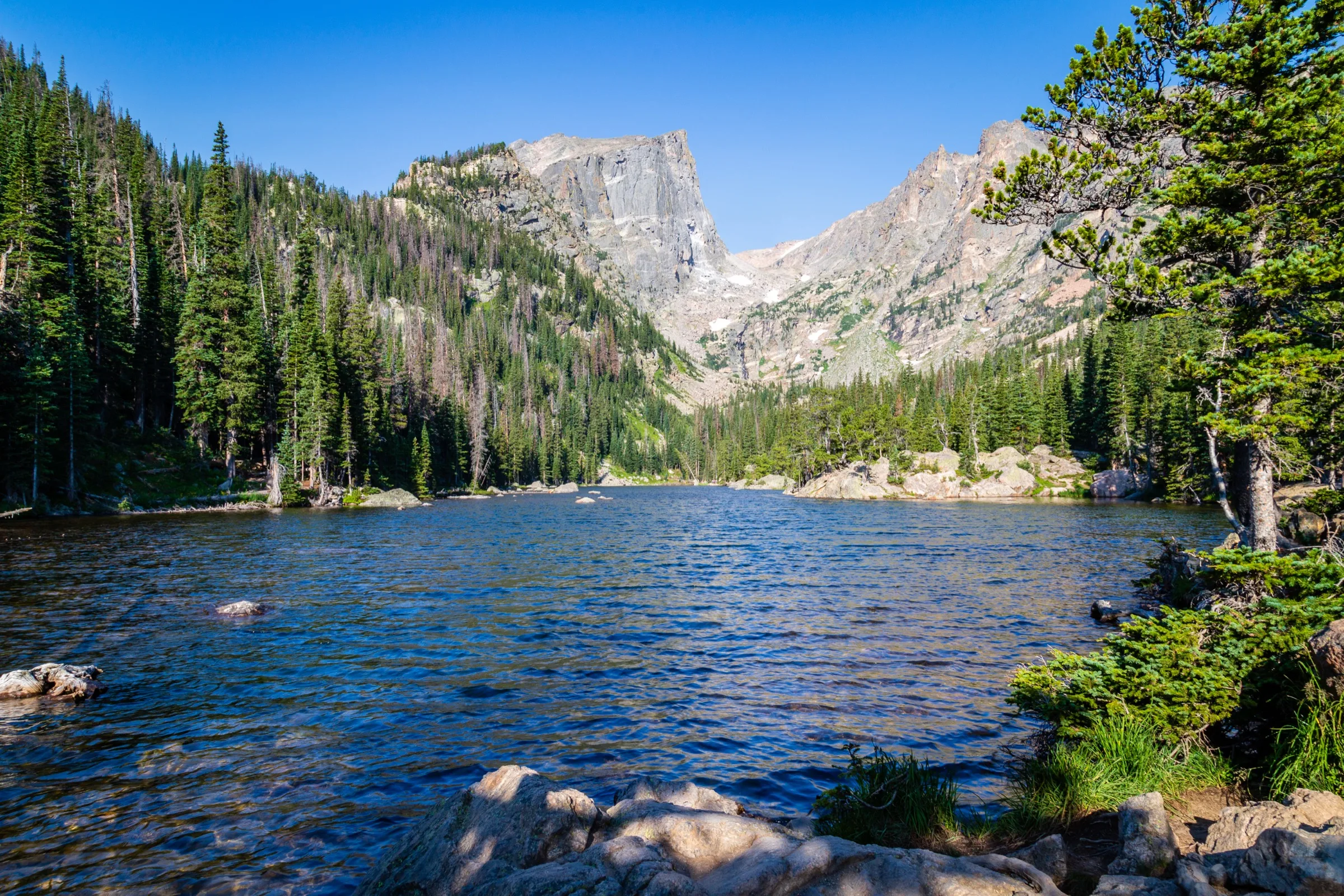
Choose a Bear Lake-area walking day, a Trail Ridge Road landscape day, or a west-side valley day before choosing an overnight base. These objectives use different access corridors, and current NPS entry and road guidance decides what is feasible.
Official sources
Authority guidance can change. Recheck before departure.
Side by side
Use the matrix to expose the practical differences, then verify changing access with the official source.
| Park | Best window | First visit | Access | Reservations | Effort | Primary caution |
|---|---|---|---|---|---|---|
| Banff & Jasper | Late June–September | 6–9 days | Gateway towns, car, and seasonal shuttles | Very high | Moderate | Fast-changing alpine weather and long distances |
| Torres del Paine | October–April | 4–7 days | Gateway transfer, park bus, or guided circuit | High | Moderate-high | Strong wind and rapid weather shifts |
| Fiordland & Milford Sound | November–April | 3–5 days | Scenic road, coach, cruise, and booked tracks | High | Moderate | Heavy rain, road disruption, and cold water |
| Yellowstone | Check current NPS road and entrance status for the route and travel date. | 4–6 days | Multi-entrance self-drive park | Very high | Easy-moderate | Wildlife proximity and unstable thermal ground |
| Mount Aspiring | Warmer months generally make first-visit valley walks more approachable, but rain, road fords, alpine weather, track alerts and avalanche exposure must be checked for the specific route and date. | One deliberate valley walk plus an access or weather margin; multi-day hut routes need their own itinerary | Self-drive or arranged transport to a named valley and trailhead; DOC hut and campsite booking when the chosen route requires it; Route-specific backcountry transport for multi-day tramping | Moderate | Moderate-high | Flooded road fords, swift rivers, steep drops, rapid alpine weather and avalanche paths on some tracks |
| Grand Teton | Choose the landscape and activity first, then check the NPS road, trail, weather, and visitor-service pages for the travel date. Mountain conditions vary by elevation. | One focused park day can introduce the range; separate days make room for lake walking, valley scenery, and a northern park area without rushing. | Self-drive for separate valley, lake, and northern-park areas; Guided transport when the itinerary explicitly covers the chosen park area; Walking from a named trailhead after checking parking and current trail advice | High | Easy-moderate | Rapid mountain-weather changes, cold water, wildlife proximity, and overcommitting to a trail or long park transfer |
| Rocky Mountain | Select a corridor and activity, then use NPS timed-entry, road, shuttle, trail, and weather pages for the travel date. Do not infer access from a season label. | One focused corridor day is a workable introduction; separate days let a visitor experience the east side and a road or west-side landscape without stacking them. | Self-drive for road and west-side choices; Park shuttle or verified public transport where the selected corridor and date support it; Walking from a named trailhead after checking access and return | High | Moderate | Altitude, exposed mountain weather, road closures, and missed corridor-specific entry planning |
Choose by trip reality
Choose one valley or gateway per day instead of collecting distant viewpoints.
Keep a lower-elevation alternative for cloud, wind, or trail conditions.
Treat transfer days as part of the park experience, not empty calendar space.
Planning modules
These notes are durable questions, not a live operational feed.
When the park works
A familiar month can mean snow, heat, monsoon, fire restrictions, or a closed road somewhere else. Start with the park authority, then shape the trip.
How the day begins
Entry, transport, accommodation, and guided access are separate constraints. Identify the scarce piece before committing to flights or a long drive.
Leave the visit lighter
Protected places are living systems and, in many parks, living cultural landscapes. Follow local limits, use durable surfaces, and make room for custodianship.
Banff & JasperUse shuttles where available and keep food, scented items, and wastewater secured as directed.
Torres del PaineFire prevention rules are strict; use designated cooking areas and carry every item out.
Fiordland & Milford SoundClean footwear and equipment before arrival to reduce the spread of invasive organisms.
YellowstoneStay on boardwalks in thermal areas and never throw objects into geothermal features.
Mount AspiringStay on marked tracks, leave farm gates as found, clean gear between waterways, protect alpine vegetation and carry all waste out.
Grand TetonStay on established trails, protect lakeshores and fragile vegetation, secure attractants, and follow any temporary resource-protection closure.
Rocky MountainStay on trails through alpine tundra and lakeshores, use legal parking, secure food, and respect temporary wildlife and restoration closures.
Related first-visit guidance
No sighting or access condition is guaranteed. Keep distance, follow local instructions, and recheck every authority before departure.
Wildlife may be present near roads and trails; maintain official distances and never stop where unsafe.
Primary caution: Fast-changing alpine weather and long distances
Observe guanaco and birdlife without leaving routes or changing an animal’s movement.
Primary caution: Strong wind and rapid weather shifts
Give native birds and marine wildlife space; use wildlife operators that follow viewing rules.
Primary caution: Heavy rain, road disruption, and cold water
Bison, bears, and other wildlife are unpredictable; use National Park Service distance guidance.
Primary caution: Wildlife proximity and unstable thermal ground
Observe native birds, including kea, without feeding them or leaving food and equipment exposed.
Primary caution: Flooded road fords, swift rivers, steep drops, rapid alpine weather and avalanche paths on some tracks
Use the current NPS wildlife-safety guidance, keep your distance, never feed animals, and leave room for an animal to move without being surrounded.
Primary caution: Rapid mountain-weather changes, cold water, wildlife proximity, and overcommitting to a trail or long park transfer
Elk and other wildlife may be present around roads and trails. Follow current NPS viewing distance and food-storage advice; never use a close approach as a photo strategy.
Primary caution: Altitude, exposed mountain weather, road closures, and missed corridor-specific entry planning
Continue comparing
Move sideways when the access model, effort, or season matters more than the original park idea.
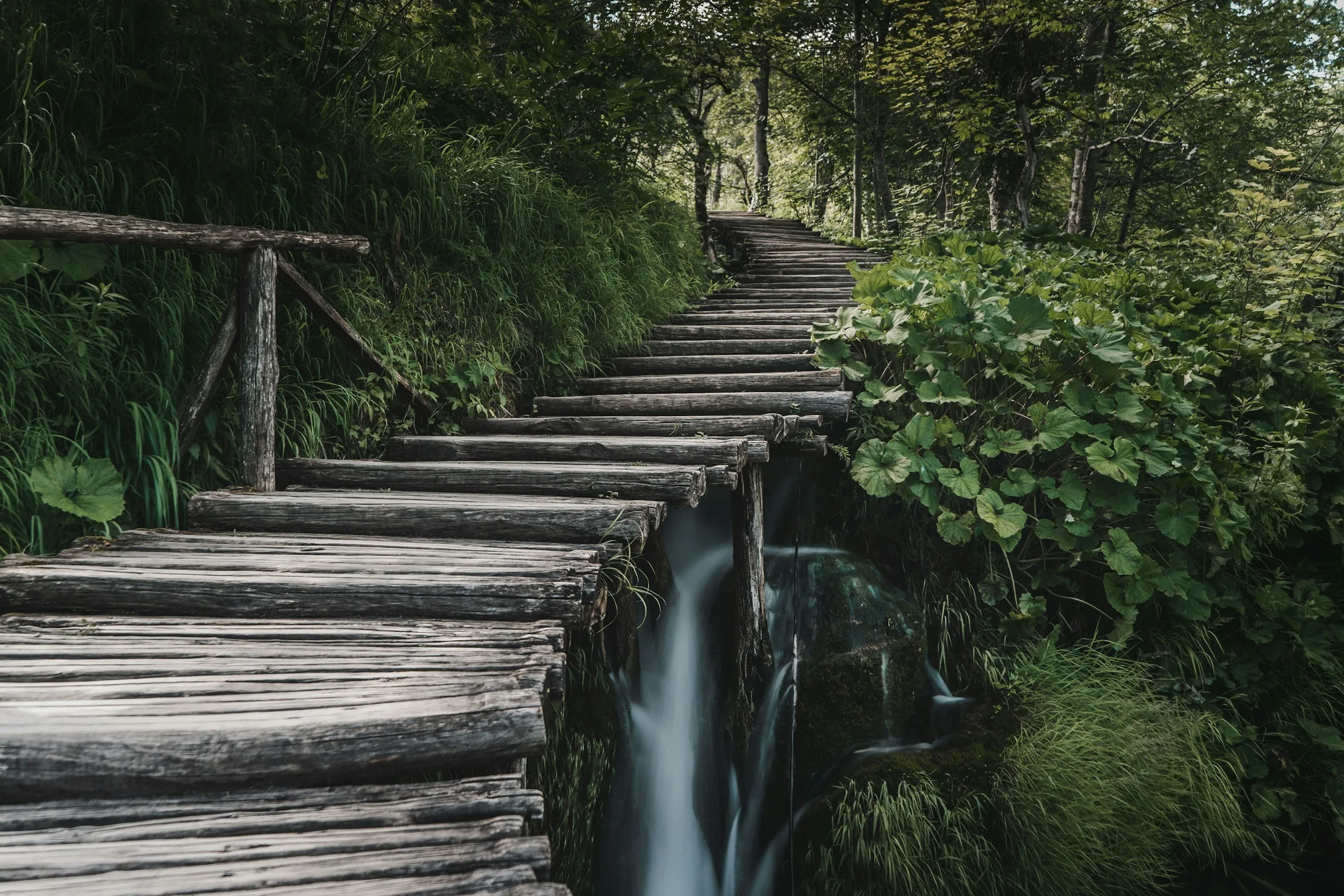
Entrances, timed access, shuttles, walking, rain, and crowd pressure.
Open field guide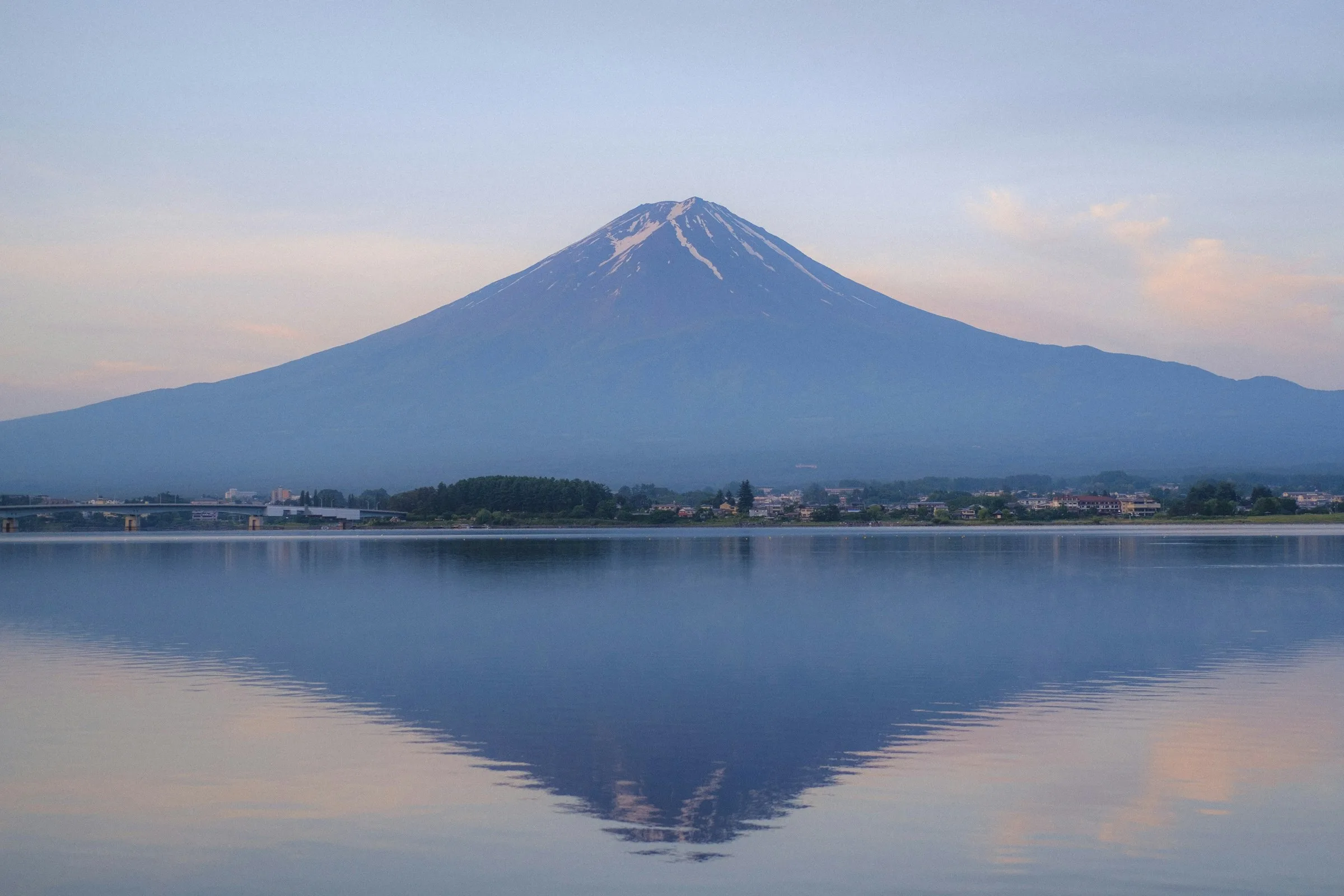
Climbing seasons, boats, operators, marine conditions, and sensitive habitats.
Open field guide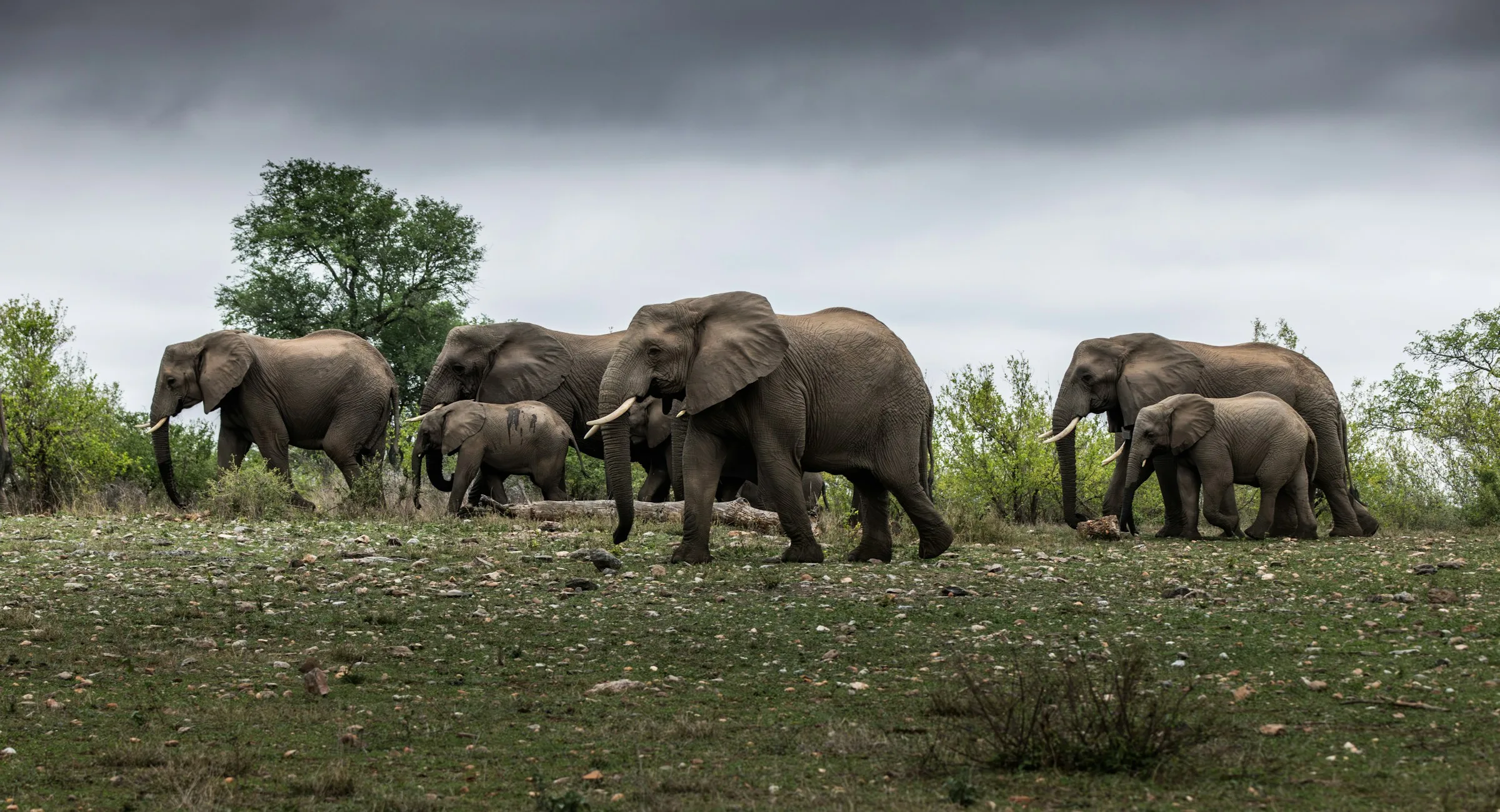
Self-drive versus guided visits, seasons, safe distance, and ethical viewing.
Open field guide