One geothermal day
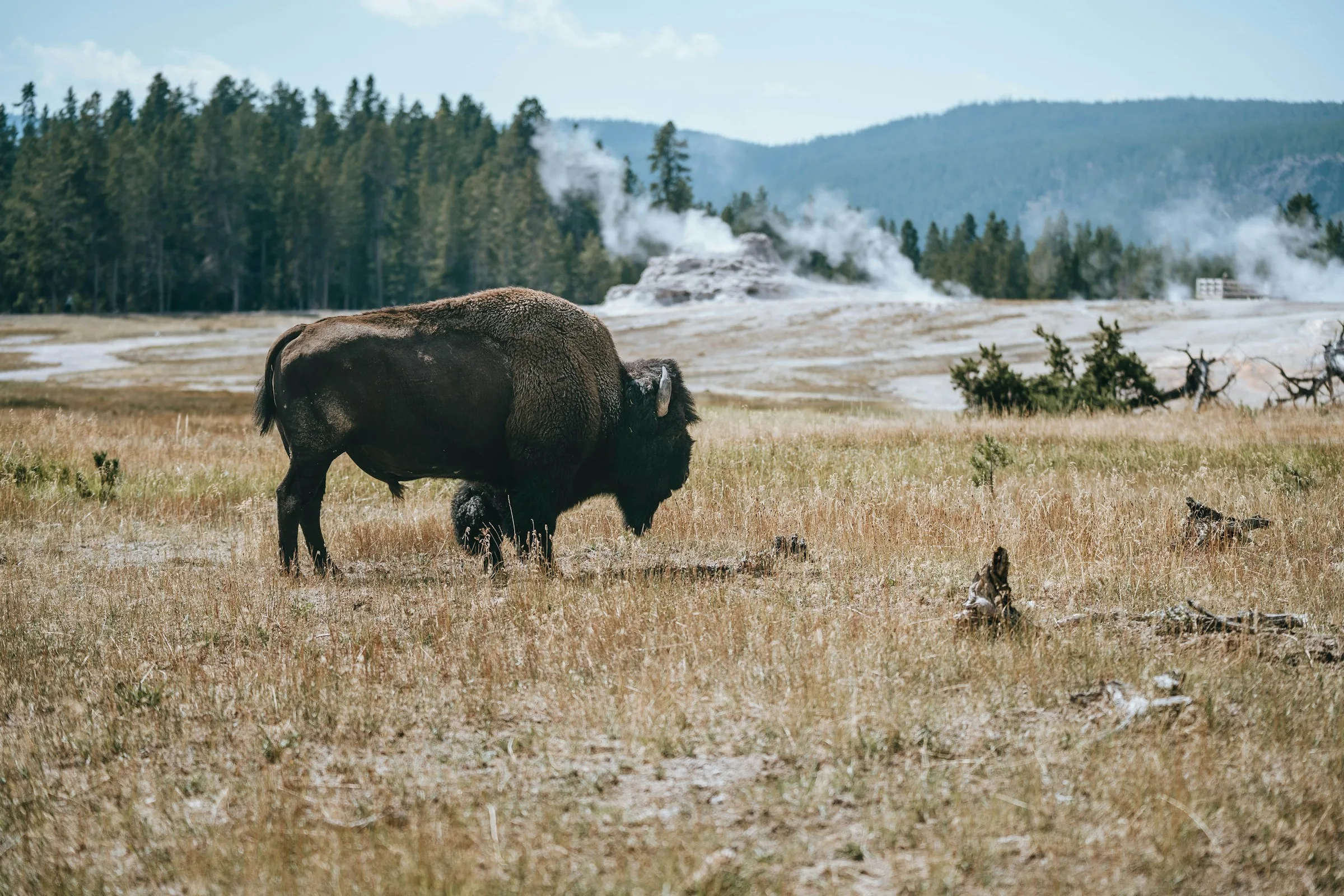
United States · LIFE LISTFirst-visit notes
Life List · First-visit field guide
Yellowstone National Park
A first Yellowstone trip is a road-loop and base-location problem as much as a sightseeing trip: seasonal roads, long drives, wildlife traffic, geothermal safety, and high-demand lodging all shape what fits into a believable day.
Why it belongs on the listWhy it belongs on your Life List
What makes this place worth a lifetime detour
Life List status is about an experience that is difficult to substitute, not simply popularity.
Yellowstone is a Life List essential because nowhere else combines a supervolcanic landscape, vast geothermal systems, large wildlife, waterfalls, lakes, and a road network that reveals how one enormous ecosystem works together.
Signature experiences
The experiences that define this park
These are representative experiences, not a promise that every activity will be available under current conditions.
- 01
Walk a major geyser or hot-spring basin on designated boardwalks
- 02
Spend time in a wildlife-rich valley without treating a sighting as an expected outcome
- 03
See the Grand Canyon of the Yellowstone and its waterfalls
- 04
Drive the park as geographic loops rather than as a checklist of famous names
What counts as a complete first visit
A satisfying first completion, not an exhaustive conquest
Use this as a collection-minded benchmark while allowing weather, access, safety, and local rules to change the exact itinerary.
One wildlife-focused early or late day
One canyon or waterfall experience
A lodging and road plan that avoids repeated cross-park driving
First-visit verdict
Decide the shape of the trip before the bookings
This page is durable planning context, not a live conditions feed. Recheck every authority before departure.
Best planning window
Choose the intended road sectors, then check the NPS road and entrance status for the actual travel date. Seasonal access is not a standing promise.
First visit
4–6 days for a broad first visit; fewer days require choosing one or two geographic priorities instead of attempting the whole park
Gateway logic
Five park entrances connect to different gateway towns. Choose the entrance and overnight base around the sections of the Grand Loop you actually plan to visit rather than assuming one gateway works equally well for the entire park.
Reservation pressure
Very high
Effort
Easy-moderate
Primary caution
Wildlife proximity, unstable thermal ground, altitude, changing weather, and long driving distances across seasonal roads
Trip fit
Who this park suits
Match the access model and pace to the travelers, not only the scenery.
Good fit
- Road trippers
- Wildlife observers who follow distance rules
- Families prepared for long driving days
- Visitors interested in geothermal landscapes
Less suitable when
- Visitors expecting a compact park that can be crossed quickly
- Trips that depend on every seasonal road being open
- Travelers unwilling to follow strict boardwalk and wildlife-distance rules
Transport fit
- Rental car or road-trip vehicle for most first visits
- Guided tours for selected wildlife or geothermal days
- Multiple-base itineraries when driving geography justifies moving lodging
Priority order
Build the first visit around these decisions
Keep the plan credible before adding optional stops.
- 01
Choose lodging geography before building the attraction list because overnight location strongly affects daily driving time.
- 02
Build each day around one side of the road network instead of repeatedly crossing the Grand Loop.
- 03
Treat thermal-area rules as non-negotiable safety constraints: stay on boardwalks and designated trails.
- 04
Plan wildlife viewing around legal pullouts and distance requirements rather than assuming an animal sighting is a safe roadside stop.
Planning decisions
Make the high-friction choices explicit
These are the decisions most likely to change the shape of a first visit.
Road loops determine what fits into a day
Yellowstone is a 2.2-million-acre road-based park with five main entrances and seasonal loop segments. A useful first-visit plan groups stops by road geography instead of trying to collect highlights from opposite sides of the park in one day.
- Check the NPS road-status page before assigning any day to a seasonal segment.
- Treat projected opening and closing dates as planning context, not guarantees.
- Add time for construction, wildlife congestion, parking, and unplanned scenic stops.
The overnight base is a driving-time decision
Park entry and overnight bookings are separate decisions, and their current rules must be checked with NPS. Where you sleep can matter more than how central a point looks on a map.
- Reserve lodging or camping early when the trip depends on staying inside the park.
- Compare a single-base itinerary with moving once if the route geography saves repeated long drives.
- Do not confuse entrance access with overnight availability; they are separate planning problems.
Thermal areas are not ordinary walking terrain
Yellowstone hydrothermal areas can have scalding water beneath thin, breakable crust. NPS requires visitors to stay on boardwalks and designated trails and warns that leaving them can cause severe or fatal burns.
- Stay on boardwalks and designated trails even if the ground appears solid.
- Keep children close and do not let them run on boardwalks.
- Do not touch thermal features or runoff and never throw objects into hydrothermal features.
Wildlife distance rules change roadside behavior
NPS sets wildlife viewing distances and may issue area-specific restrictions. Check its current safety guidance and back away if an animal approaches.
- Use pullouts and never stop in the travel lane for wildlife viewing.
- Photograph with focal length rather than closing the distance on an animal.
- Treat traffic safety and wildlife distance as one decision, not separate rules.
Common mistakes
What makes a first visit harder than it needs to be
Planning Yellowstone by straight-line distance and underestimating traffic, wildlife jams, construction, and scenic stops.
Choosing lodging without considering which entrance and loop sectors dominate the itinerary.
Treating projected seasonal road dates as guaranteed operating dates.
Leaving boardwalks in hydrothermal areas or approaching wildlife for photographs.
Wildlife, safety, and care
Leave certainty out of the plan
Weather, wildlife, roads, closures, reservations, and local operating rules can change.
Wildlife and safety
Yellowstone wildlife is wild and dangerous. Follow the current NPS viewing distances, never approach for a photograph, and back away if an animal approaches.
Conservation
Stay on boardwalks and designated trails in thermal areas, keep food and belongings secured, use legal pullouts for wildlife viewing, and let current NPS closures, road status, and resource-protection rules override a saved itinerary.
Before departure
Recheck what can change
Do not rely on a saved itinerary for operating conditions.
- 01
Yellowstone live road and entrance status for every planned loop segment
- 02
Current projected road opening or closing dates and weather-driven changes
- 03
Current lodging and campground reservation status for the selected bases
- 04
Current conditions, construction, fire, weather, and service notices
- 05
Current wildlife safety guidance and any temporary area restrictions
- 06
Current entrance-pass rules and fees before departure
Related decisions
Use the park in a real trip decision
These guides compare access, pacing, transport, or trip structure without duplicating this park-level guide.
Where to Stay for Yellowstone: Choose by Entrance and Road Sector
Compare in-park lodging and gateway towns by the road sectors you will actually visit, not by a single “near Yellowstone” label.
Open decision guideHow to Split a Yellowstone and Grand Teton Trip
Give Yellowstone road sectors and Grand Teton lake or valley experiences their own days, then solve the connecting drive and separate park entry.
Open decision guidePlan a First Yellowstone Visit by Road Loop, Not by Checklist
Use lodging geography and one side of Yellowstone’s road network at a time so wildlife traffic, seasonal roads, geothermal stops, and construction do not turn every day into cross-park driving.
Open decision guideKeep comparing
Mountains & Glaciers
Altitude, weather, roads, shuttles, hiking seasons, and multi-day pacing.
Regional field guide
Greater Yellowstone: Yellowstone and Grand Teton
Decide whether the trip needs Yellowstone road loops, a Grand Teton lake-and-mountain day, or both; then match the overnight bases and official road checks to that choice.