A chosen day-trip, W, or circuit structure
Chile · LIFE LISTFirst-visit notes
Life List · First-visit field guide
Torres del Paine National Park
Plan a first Torres del Paine trip around the route before the wishlist: Puerto Natales access, booked refugios or campsites, exposed wind, trail controls, lake crossings, limited services, and fire rules all decide how ambitious the visit can be.
Why it belongs on the listWhy it belongs on your Life List
What makes this place worth a lifetime detour
Life List status is about an experience that is difficult to substitute, not simply popularity.
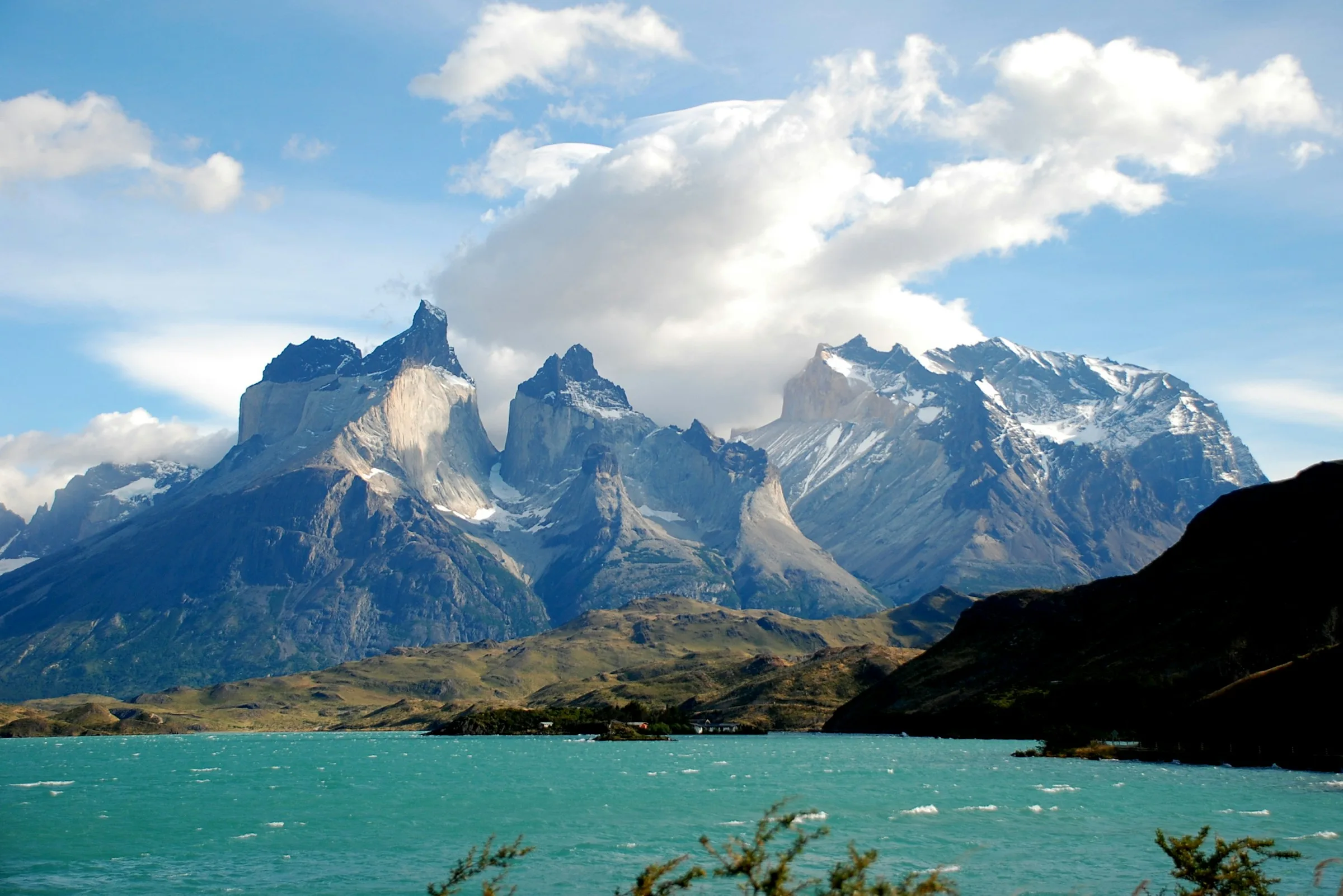
Torres del Paine belongs on a Life List because few parks ask the plan to work as hard as the scenery: granite towers, open steppe, glacial lakes, and long exposed trails reward travelers who build the trip around weather, distance, and confirmed access.
Signature experiences
The experiences that define this park
These are representative experiences, not a promise that every activity will be available under current conditions.
- 01
See the Paine massif from road, lake, and trail perspectives
- 02
Complete a major day hike or a booked W section when conditions allow
- 03
Spend time at a glacial lake or viewpoint with real Patagonian weather in the plan
- 04
Use Puerto Natales as the working gateway instead of improvising a long park day
What counts as a complete first visit
A satisfying first completion, not an exhaustive conquest
Use this as a collection-minded benchmark while allowing weather, access, safety, and local rules to change the exact itinerary.
One major walking objective matched to current trail status
One scenic road or lake day
A fallback plan for wind, weather, or trail controls
First-visit verdict
Decide the shape of the trip before the bookings
This page is durable planning context, not a live conditions feed. Recheck every authority before departure.
Best planning window
October through April is the broad first-visit season for many classic routes, but trail rules, winter protocols, wind, snow, buses, campsites, refugios, and lake services change enough that CONAF and Pases Parques should shape the final plan.
First visit
4–7 days, depending on whether the trip is a scenic road-and-day-hike visit or a booked multi-day W-style itinerary
Gateway logic
Puerto Natales is usually the practical base. Choose a day trip, W trek, or longer circuit before reserving transfers, overnight stays, and lake crossings.
Reservation pressure
High
Effort
Moderate-high
Primary caution
Rapid weather shifts, extreme wind, exposed trails, long emergency response times, and strict fire restrictions
Trip fit
Who this park suits
Match the access model and pace to the travelers, not only the scenery.
Good fit
- Patagonia hikers with flexible weather plans
- Travelers comfortable with wind, distance, and exposed trails
- Multi-day trekkers who can secure refugios or campsites early
- Scenic visitors willing to plan around limited services
Less suitable when
- Trips with no spare weather day
- Visitors expecting summer trail rules to apply year-round
- Itineraries that rely on last-minute refugio, campsite, or lake transport availability
Transport fit
- Puerto Natales buses and private transfers for park access
- Rental car for road-access viewpoints and flexible day plans
- Authorized guiding when current CONAF rules require it or the route exposure warrants it
Priority order
Build the first visit around these decisions
Keep the plan credible before adding optional stops.
- 01
Choose the day-trip, W-route, or circuit structure before buying transport or accommodation.
- 02
Check current CONAF trail protocols and guide requirements close to departure.
- 03
Reserve refugios, campsites, buses, and lake crossings before locking a multi-day route.
- 04
Plan walking days around daylight, wind, and official control points, not mileage alone.
Planning decisions
Make the high-friction choices explicit
These are the decisions most likely to change the shape of a first visit.
Choose the trip shape before the trail list
A Puerto Natales day trip, a W trek, and a longer circuit depend on different transport, overnight bookings, lake crossings, and safety decisions.
- Decide whether you will sleep inside the park before fixing daily distances.
- Book refugios, campsites, buses, and lake transport once the route shape is clear.
- Use current CONAF trail status to confirm that the planned route is operating.
Season changes the operating rules
CONAF can apply seasonal and winter controls on mountain routes, including guide requirements, checkpoints, closures, and circuit-access changes.
- Check CONAF and Pases Parques immediately before travel.
- Treat any current guide mandate or circuit closure as live operating context.
- Keep a lower-exposure backup day if a mountain objective becomes unavailable.
Wind and daylight set the hiking margin
Patagonian wind and fast weather shifts can make a timetable-only plan brittle, especially on exposed approaches such as Base Torres or multi-day route sections.
- Start with daylight and weather margin, not maximum attraction count.
- Respect trail closing times and avoid mountain trails in darkness.
- Turn back when conditions no longer support the original pace.
Fire rules and services are hard limits
Torres del Paine controls smoking, fire, cooking, waste, and off-route travel closely, while fuel, food, and emergency support are limited inside the park.
- Use cooking equipment only where current park rules allow it.
- Carry out waste and stay on authorized trails.
- Fuel the vehicle and pack essential supplies before entering remote sectors.
Common mistakes
What makes a first visit harder than it needs to be
Copying a summer W itinerary into shoulder season or winter without checking current CONAF rules.
Underestimating how wind can affect hiking pace, boat departures, and transfer timing.
Carrying fuel or using heat sources outside authorized areas.
Assuming fuel, food, communications, or help will be easy to find inside the park.
Wildlife, safety, and care
Leave certainty out of the plan
Weather, wildlife, roads, closures, reservations, and local operating rules can change.
Wildlife and safety
Watch guanaco, puma, birds, and other wildlife from authorized routes without changing an animal’s movement. Never approach, touch, feed, or follow wildlife for a photograph.
Conservation
Stay on official trails, carry waste out, follow fire and smoking rules, camp only in authorized sites, and let current CONAF instructions override an older route plan.
Before departure
Recheck what can change
Do not rely on a saved itinerary for operating conditions.
- 01
CONAF Torres del Paine notices and trail-control rules
- 02
Pases Parques entrance conditions and current visiting information
- 03
Current W, Base Torres, and Macizo Paine trail status
- 04
Refugio, campsite, bus, and lake transport bookings
- 05
Wind, precipitation, snow, and daylight forecast
- 06
Current fire-prevention and cooking restrictions
Related decisions
Use the park in a real trip decision
These guides compare access, pacing, transport, or trip structure without duplicating this park-level guide.
Torres del Paine Day Visits or the W Trek?
A decision between road-and-day-walk access and a booked hut or campsite route, with current trail controls, lake transport and weather margins in view.
Open decision guideStay in Puerto Natales or Inside Torres del Paine?
Compare town services and flexible park days with the earlier starts and route-specific location of a park-side stay.
Open decision guideTorres del Paine Buses, Entrances and Connections
Work backwards from the actual trail or viewpoint to Laguna Amarga, Pudeto, Grey or another sector, then confirm each bus, shuttle and boat connection.
Open decision guideKeep comparing
Mountains & Glaciers
Altitude, weather, roads, shuttles, hiking seasons, and multi-day pacing.
Regional field guide
Patagonia Parks: Plan Torres del Paine by Route
Decide between day visits and a booked W Trek, then choose a Puerto Natales or park-side base and connect the correct entrance, bus and lake crossing.