Southern Africa Safari: Plan a First Kruger Visit
Start with a Kruger rest camp or day-visit sector, then decide whether to self-drive, join a guided drive, or combine both within the current gate rules.
Plan this region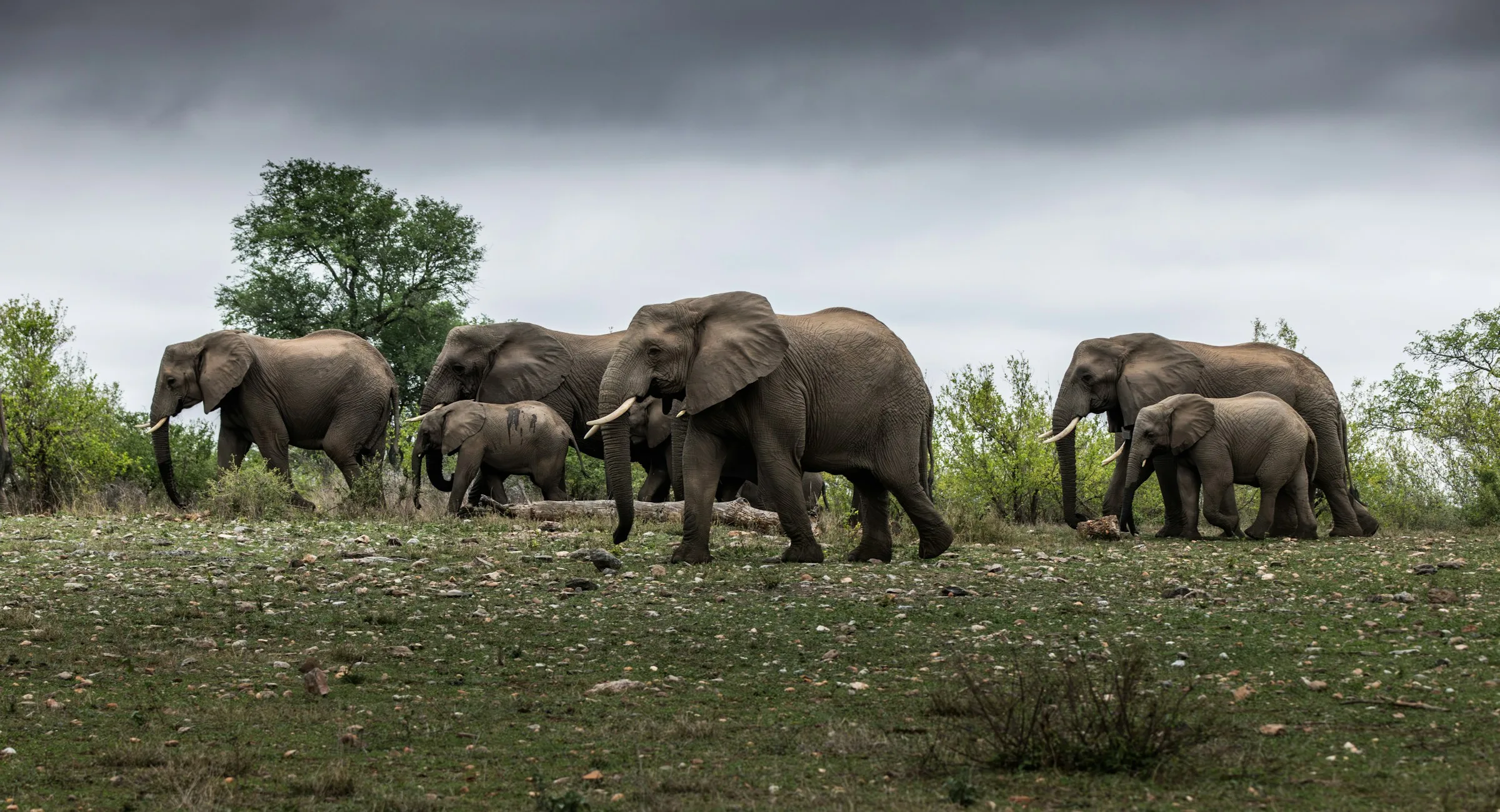
Landscape field guide
Wildlife-rich parks where road discipline, distance, timing, and animal-led decisions matter more than a sighting checklist.
Compare the parksDecision summary
Self-drive versus guided visits, seasons, safe distance, and ethical viewing.
Match visibility and weather to your comfort rather than chasing guarantees.
Read the field note 02 · ACCESSChoose self-drive freedom or guided context before booking accommodation.
Read the field note 03 · RESERVEPopular camps and guided departures can be the limiting pieces.
Read the field note 04 · FITPatient travelers willing to let wildlife set the pace.
Read the field noteRegional field guides
Compare overnight bases and the access rules that make each region different.
Start with a Kruger rest camp or day-visit sector, then decide whether to self-drive, join a guided drive, or combine both within the current gate rules.
Plan this regionChoose a Serengeti sector and a separate Ngorongoro crater or highland day, then solve the road or air transfer and each authority’s fees before booking.
Plan this regionPark guides
Compare individual parks after deciding which landscape and access pattern fits your trip.
A large savanna park with self-drive and guided options, camp-based pacing, and wildlife-led stops across long distances.
Official source
Authority guidance can change. Recheck before departure.
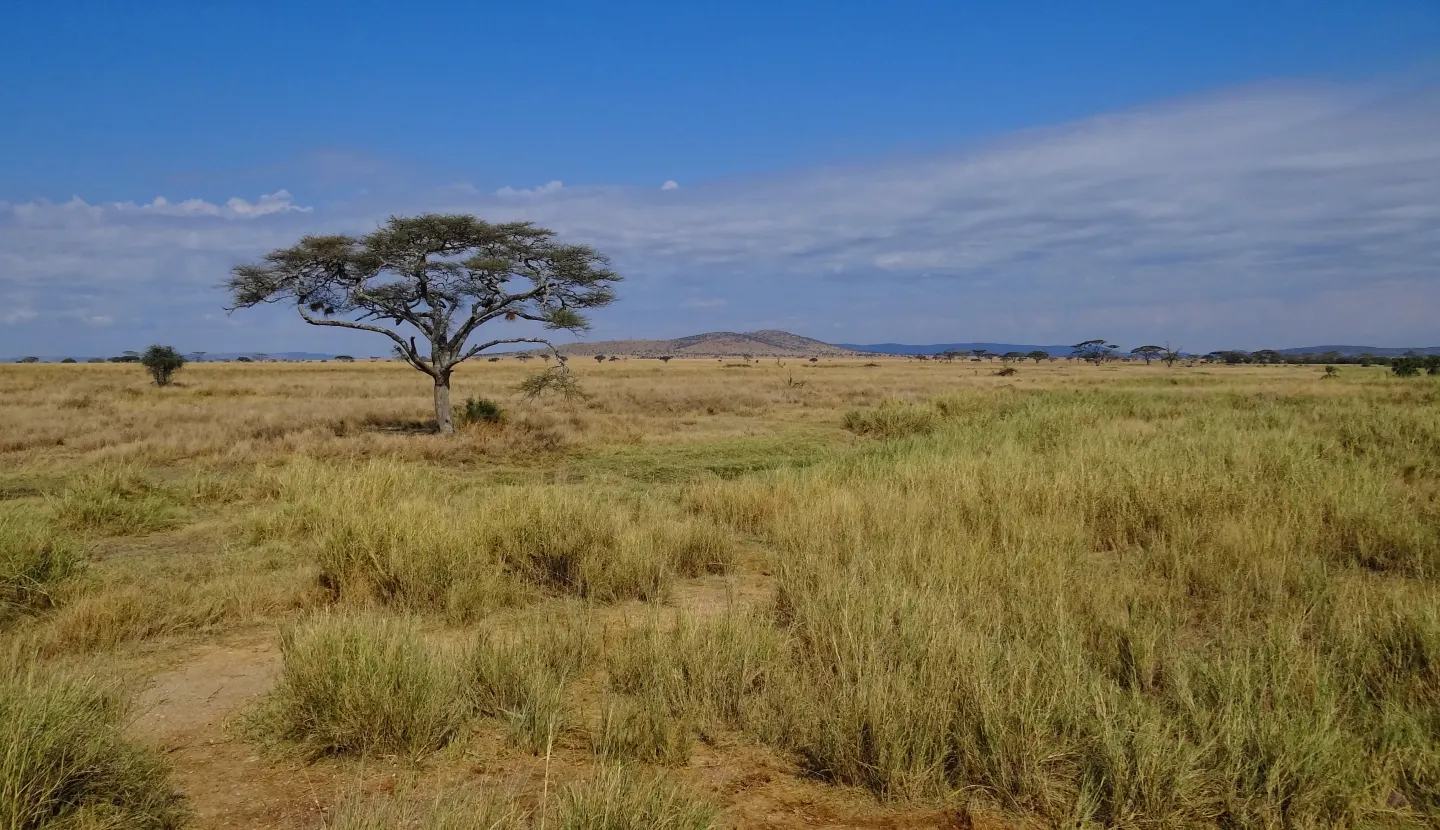
A first Serengeti visit is a multi-day, sector-based safari. Decide the travel month, reachable camp, road or air arrival, licensed guide, and park-entry arrangements before trying to predict where wildlife will gather.
Official sources
Authority guidance can change. Recheck before departure.
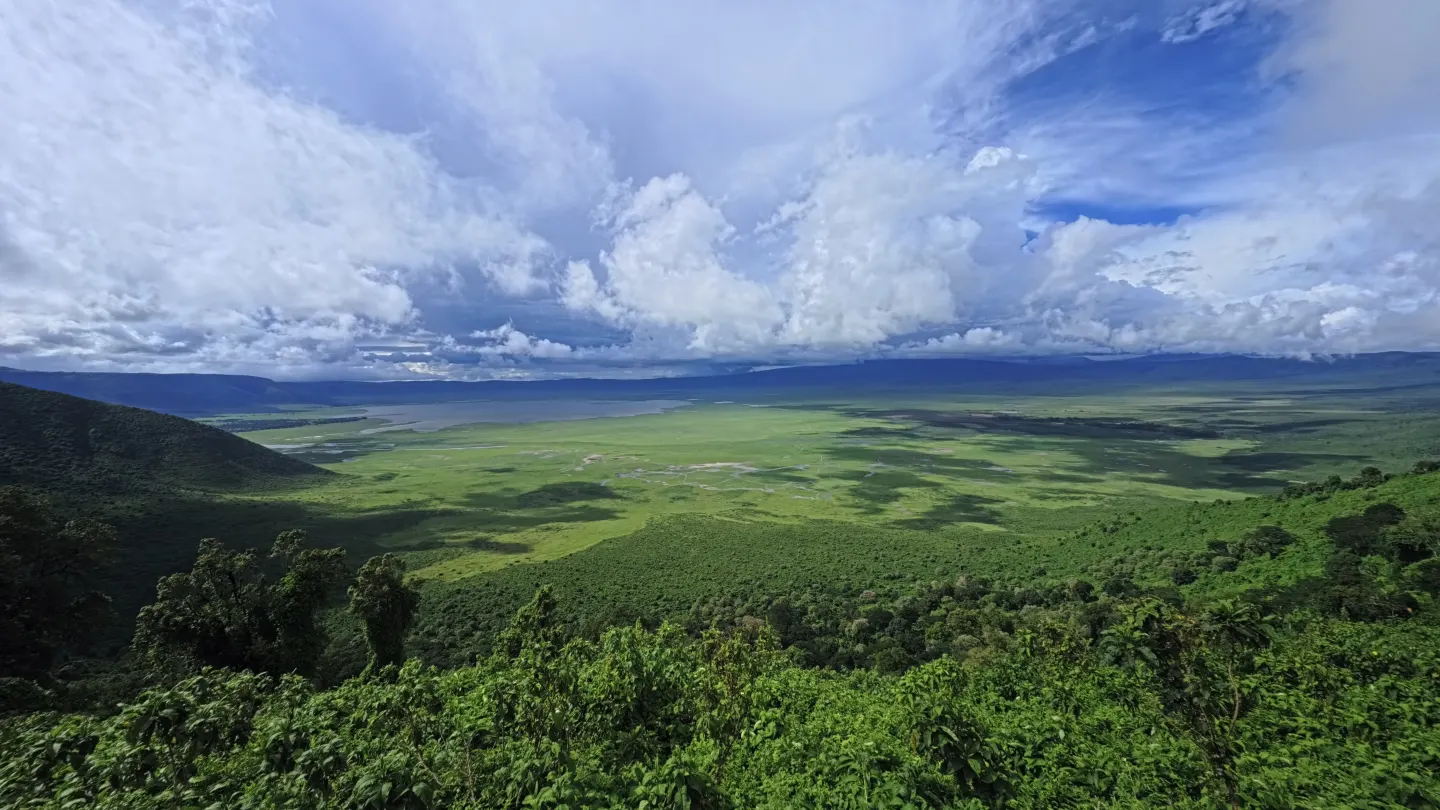
Ngorongoro is a conservation area managed by NCAA, not a national park. A crater-floor drive requires its own permitted vehicle, guide, descent timing, and fee plan; the wider area also contains highland, archaeological, and cultural landscapes.
Official sources
Authority guidance can change. Recheck before departure.
Side by side
Use the matrix to expose the practical differences, then verify changing access with the official source.
| Park | Best window | First visit | Access | Reservations | Effort | Primary caution |
|---|---|---|---|---|---|---|
| Kruger | May–September | 4–7 days | Self-drive or guided safari from park camps | High | Easy-moderate | Wild animals, heat, and long driving days |
| Serengeti | The park is open through the year, but rainfall, road conditions, camp operations, and wildlife distribution change by place and month. Choose a sector for the trip you can actually take; migration timing is not a fixed booking guarantee. | At least two or three complete wildlife days in a chosen sector, plus the necessary transfer time; add days if combining distant sectors or Ngorongoro. | Prearranged licensed safari operator and guide; Road itinerary from Arusha with a realistic long transfer; Fly-in safari with an airstrip-to-camp transfer arranged in advance | Very high | Easy-moderate | Remote travel, wildlife proximity, heat, seasonal road conditions, and itinerary assumptions based on a promised sighting |
| Ngorongoro | Crater visits can be arranged through the year, but rain, road condition, visibility, vehicle availability, crowding, and current NCAA procedures affect the actual day. Avoid making a wildlife guarantee from a seasonal label. | One properly arranged crater day, with an additional day if the wider conservation area or transfer from Serengeti is part of the trip. | Licensed operator with a suitable 4x4 and guide for the crater floor; Prearranged road transfer from Karatu, the rim, or Arusha; Separately guided activities elsewhere in the conservation area where permitted | High | Easy-moderate | Vehicle congestion and wildlife proximity, steep access roads, changing weather on the highland rim, and missed permit or descent windows |
Choose by trip reality
A quiet hour in one habitat can be more rewarding than covering another road.
Never use proximity as the measure of a successful encounter.
Plan food, fuel, gate times, and rest before entering long drive loops.
Planning modules
These notes are durable questions, not a live operational feed.
When the park works
A familiar month can mean snow, heat, monsoon, fire restrictions, or a closed road somewhere else. Start with the park authority, then shape the trip.
How the day begins
Entry, transport, accommodation, and guided access are separate constraints. Identify the scarce piece before committing to flights or a long drive.
Distance is part of the plan
Wild animals are never promised and should never be approached. Learn the local rules, carry the required equipment, and change course when conditions do.
KrugerObserve gate, speed, noise, and road-position rules to reduce disturbance and collisions.
SerengetiUse authorized roads and stops, keep waste contained, avoid wildlife crowding, and follow the guide and TANAPA instructions over a saved itinerary.
NgorongoroNgorongoro is a protected landscape with resident communities and cultural heritage. Respect visitor routes, waste rules, cultural sites, and ranger or guide direction throughout the area.
Related first-visit guidance
No sighting or access condition is guaranteed. Keep distance, follow local instructions, and recheck every authority before departure.
Remain in vehicles except at designated places and never pressure an animal for a photograph.
Primary caution: Wild animals, heat, and long driving days
Watch from a safe, instructed position. Do not feed or harass animals, request off-road access without authorization, or treat migration movement as guaranteed.
Primary caution: Remote travel, wildlife proximity, heat, seasonal road conditions, and itinerary assumptions based on a promised sighting
Stay in the vehicle except at designated places, allow animal movement, and follow NCAA distance and vehicle-congestion rules rather than chasing a close photograph.
Primary caution: Vehicle congestion and wildlife proximity, steep access roads, changing weather on the highland rim, and missed permit or descent windows
Continue comparing
Move sideways when the access model, effort, or season matters more than the original park idea.
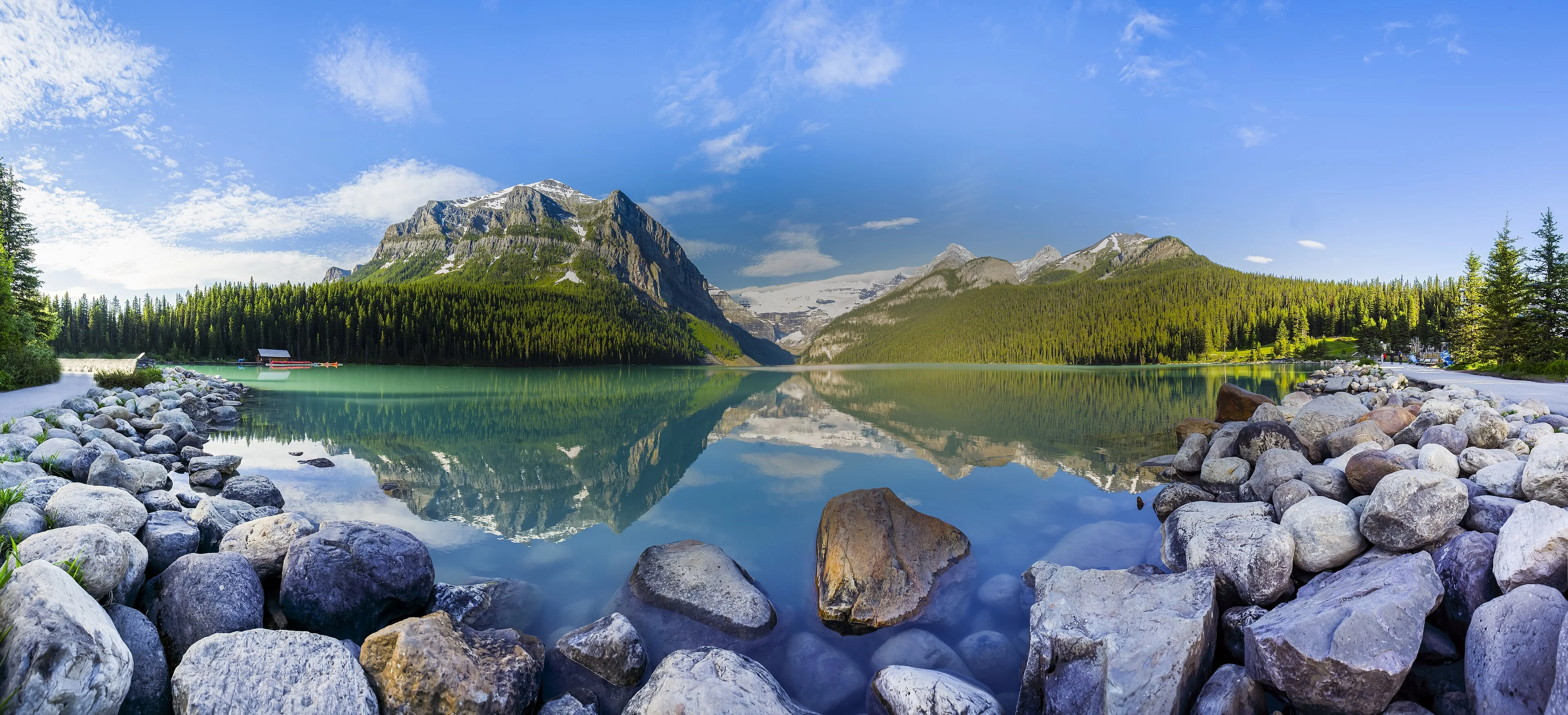
Altitude, weather, roads, shuttles, hiking seasons, and multi-day pacing.
Open field guide
Climbing seasons, boats, operators, marine conditions, and sensitive habitats.
Open field guide
Heat, water, seasonal entrances, cultural landscapes, and exposure.
Open field guide