At least two wildlife days
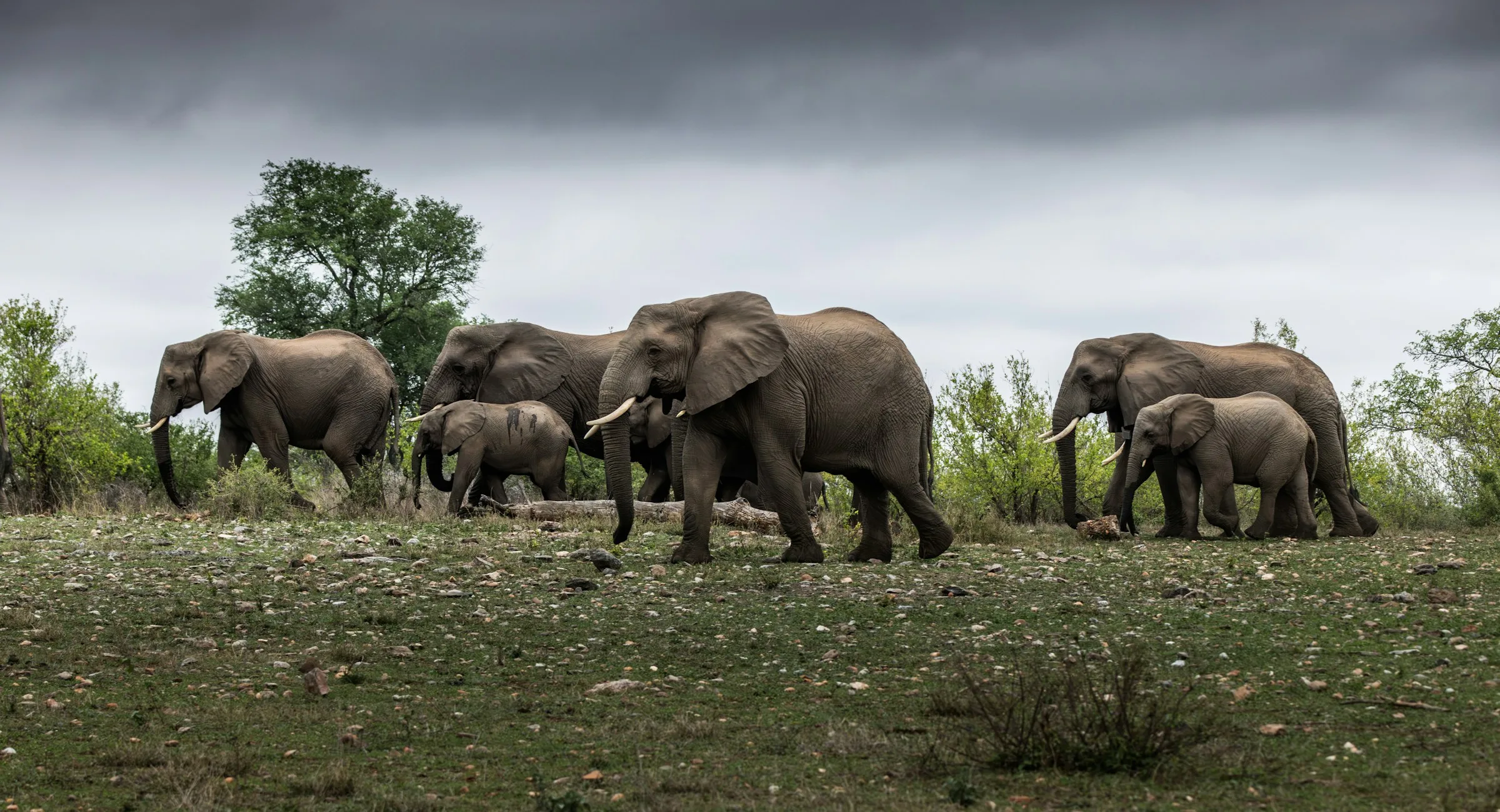
South Africa · LIFE LISTFirst-visit notes
Life List · First-visit field guide
Kruger National Park
A first Kruger visit is best planned around one or two rest-camp bases, gate times, realistic wildlife-speed driving, legal get-out points, and the discipline to let sightings happen without chasing distance across a huge park.
Why it belongs on the listWhy it belongs on your Life List
What makes this place worth a lifetime detour
Life List status is about an experience that is difficult to substitute, not simply popularity.
Kruger is a Life List safari because the accomplishment is not a single animal sighting. It is learning to read a vast savanna ecosystem over several slow days, with wildlife, road discipline, camp geography, and patience shaping the experience.
Signature experiences
The experiences that define this park
These are representative experiences, not a promise that every activity will be available under current conditions.
- 01
Spend several hours on a slow self-drive loop without chasing distance
- 02
Join at least one guided drive or walk for ecological context
- 03
Experience dawn or late-day wildlife movement from a legal route
- 04
Stay in or near a park camp so gate times become part of the rhythm
What counts as a complete first visit
A satisfying first completion, not an exhaustive conquest
Use this as a collection-minded benchmark while allowing weather, access, safety, and local rules to change the exact itinerary.
One camp-based sector explored slowly
One guided interpretation experience if available
No reliance on a Big Five checklist as the definition of success
First-visit verdict
Decide the shape of the trip before the bookings
This page is durable planning context, not a live conditions feed. Recheck every authority before departure.
Best planning window
May through September is a common first-visit planning window, but wildlife is never guaranteed and heat, rain, gate times, road conditions, camp availability, and day-visitor capacity vary.
First visit
4–7 days, usually easier with one or two camp bases than with constant cross-park movement
Gateway logic
Multiple entrance gates serve different rest camps. Choose the overnight camp or day-visit sector before choosing the entrance gate.
Reservation pressure
High
Effort
Easy-moderate
Primary caution
Wild animals, vehicle collisions, heat, long distances, and arriving too late for camp or entrance gates
Trip fit
Who this park suits
Match the access model and pace to the travelers, not only the scenery.
Good fit
- Wildlife-focused road trippers
- Families comfortable with long vehicle time
- Photographers using ethical distance
- Visitors who prefer camp-based pacing
Less suitable when
- Travelers trying to cross large sections daily
- Visitors unwilling to stay in vehicles outside designated get-out points
- Trips that ignore gate closing times
Transport fit
- Self-drive from a chosen gate and rest-camp base
- SANParks or concession guided drives
- Mixed self-drive and guided wildlife activities
Priority order
Build the first visit around these decisions
Keep the plan credible before adding optional stops.
- 01
Choose rest-camp geography before the wildlife wish list.
- 02
Keep daily driving radius small enough to return before gate closing.
- 03
Stay in the vehicle except at authorized get-out points.
- 04
Treat sightings as unpredictable rather than building the day around promised animals.
Planning decisions
Make the high-friction choices explicit
These are the decisions most likely to change the shape of a first visit.
Rest-camp geography shapes the safari
Kruger is too large to treat as one sightseeing loop. Camp selection determines the practical daily wildlife radius.
- Choose one or two camps around the sectors you want to explore.
- Reduce accommodation moves if they consume wildlife-viewing time.
- Use entrance gates that match the first and final camp rather than the shortest line on a map.
Gate time is the hard edge of every day
SANParks publishes seasonal entrance and camp gate hours. These can change and must be rechecked rather than copied into an evergreen itinerary.
- Build a return margin into late-afternoon drives.
- Do not let a sighting tempt the vehicle beyond legal closing time.
- Check gate times for the actual travel month.
Slow self-drive beats attraction collecting
SANParks explicitly advises visitors not to cover too much ground. Wildlife-focused travel benefits from slow driving, regular stops, and legal road positioning.
- Use paved and gravel speed limits as maximums, not targets.
- Stop only where safe and legal.
- Mix self-drive with guided activities when local interpretation adds value.
Vehicle discipline protects people and wildlife
Visitors must remain in vehicles except at designated places and should never pressure animals for photographs or feed wildlife.
- Never block animal movement or other traffic.
- Do not feed wildlife or leave food unattended.
- Use designated picnic sites and get-out points.
Common mistakes
What makes a first visit harder than it needs to be
Covering too much distance instead of moving slowly through one wildlife area.
Ignoring gate times when stopping for late-afternoon sightings.
Leaving the vehicle in unauthorized places.
Assuming a day visitor can always enter after capacity thresholds are reached.
Wildlife, safety, and care
Leave certainty out of the plan
Weather, wildlife, roads, closures, reservations, and local operating rules can change.
Wildlife and safety
Remain inside vehicles except at designated locations, never feed or pursue wildlife, and use distance, legal road positioning, and patience instead of proximity for photographs.
Conservation
Respect speed, gate, noise, waste, road-position, and get-out rules; let current SANParks instructions override an older safari plan.
Before departure
Recheck what can change
Do not rely on a saved itinerary for operating conditions.
- 01
Current SANParks gate hours
- 02
Camp and accommodation reservation status
- 03
Day-visitor booking and capacity rules
- 04
Road closures and current park notices
- 05
Weather, heat, and fire conditions
- 06
Current SANParks wildlife and visitor regulations
Related decisions
Use the park in a real trip decision
These guides compare access, pacing, transport, or trip structure without duplicating this park-level guide.
Kruger Self-Drive or Guided Safari: Which Fits Your First Visit?
Compare legal access, wildlife interpretation, timing, cost components, and daily control before deciding whether to drive yourself, book a SANParks activity, or combine both.
Open decision guideStay in a Kruger Rest Camp or Outside the Gate?
Choose a SANParks rest camp or an outside-gate stay by the first and last wildlife hours you can legally use, not just the room rate.
Open decision guideChoose Kruger Gates and Driving Days by Camp, Not by Map Distance
Match the entrance gate to the first camp or day-visit sector, then build legal return margins around seasonal hours and slow wildlife driving.
Open decision guideKeep comparing
Wildlife & Safari
Self-drive versus guided visits, seasons, safe distance, and ethical viewing.
Regional field guide
Southern Africa Safari: Plan a First Kruger Visit
Start with a Kruger rest camp or day-visit sector, then decide whether to self-drive, join a guided drive, or combine both within the current gate rules.