Pacific Volcanic Parks: Fuji and Hawaiʻi by Access
Choose a Fuji foothills day or regulated summit attempt, then design a Hawaiʻi Volcanoes crater-and-road visit that does not depend on visible lava.
Plan this region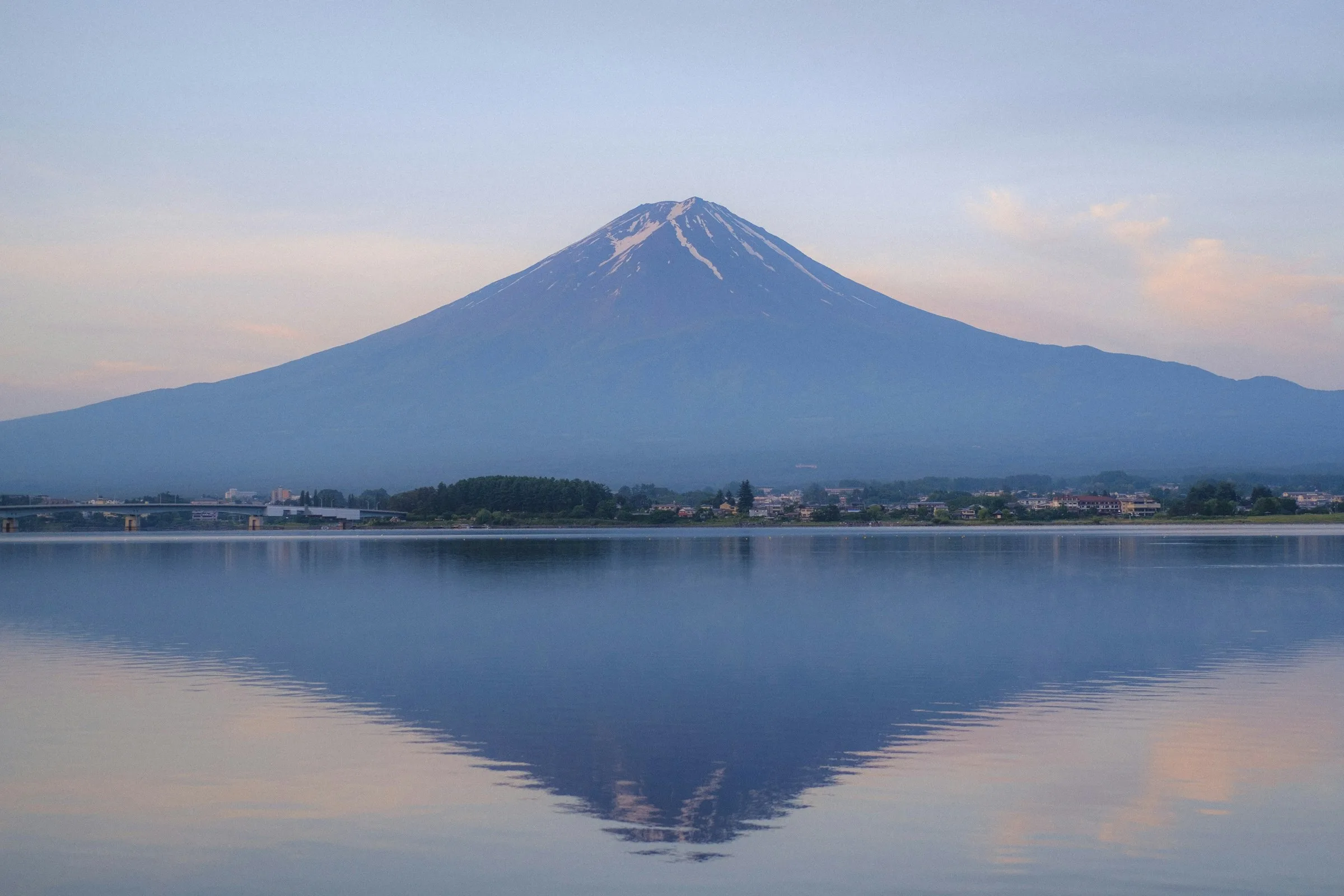
Landscape field guide
Volcanic and island parks where weather windows, regulated routes, boats, guides, and habitat limits control access.
Compare the parksDecision summary
Climbing seasons, boats, operators, marine conditions, and sensitive habitats.
Respect formal climbing seasons and marine weather windows.
Read the field note 02 · ACCESSClarify the operator, boat, trail, or gateway sequence before arrival.
Read the field note 03 · RESERVETransport and regulated access can be more constrained than lodging.
Read the field note 04 · FITFlexible travelers comfortable with weather-led changes.
Read the field noteRegional field guides
Compare overnight bases and the access rules that make each region different.
Choose a Fuji foothills day or regulated summit attempt, then design a Hawaiʻi Volcanoes crater-and-road visit that does not depend on visible lava.
Plan this regionCompare a Labuan Bajo boat and ranger visit with a Galápagos island-base or permitted vessel itinerary, then verify access and wildlife rules before paying.
Plan this regionPark guides
Compare individual parks after deciding which landscape and access pattern fits your trip.
A sacred volcanic landscape with a formal climbing season, multiple trailheads, high exposure, and a wider park beyond the summit.
Official sources
Authority guidance can change. Recheck before departure.
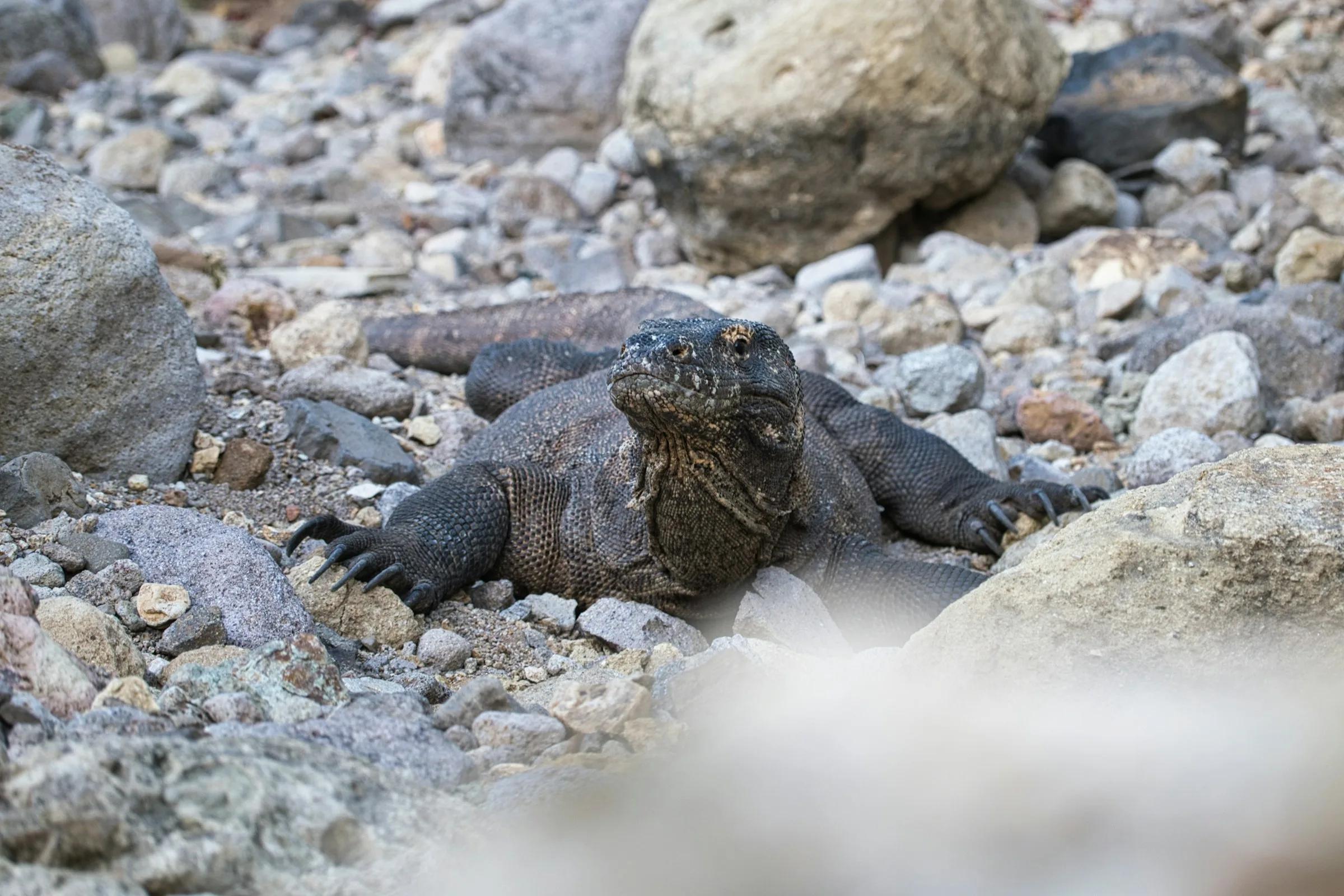
A dry island and marine park where authorized boats, ranger-led landings, currents, heat, and wildlife distance govern the trip.
Official sources
Authority guidance can change. Recheck before departure.
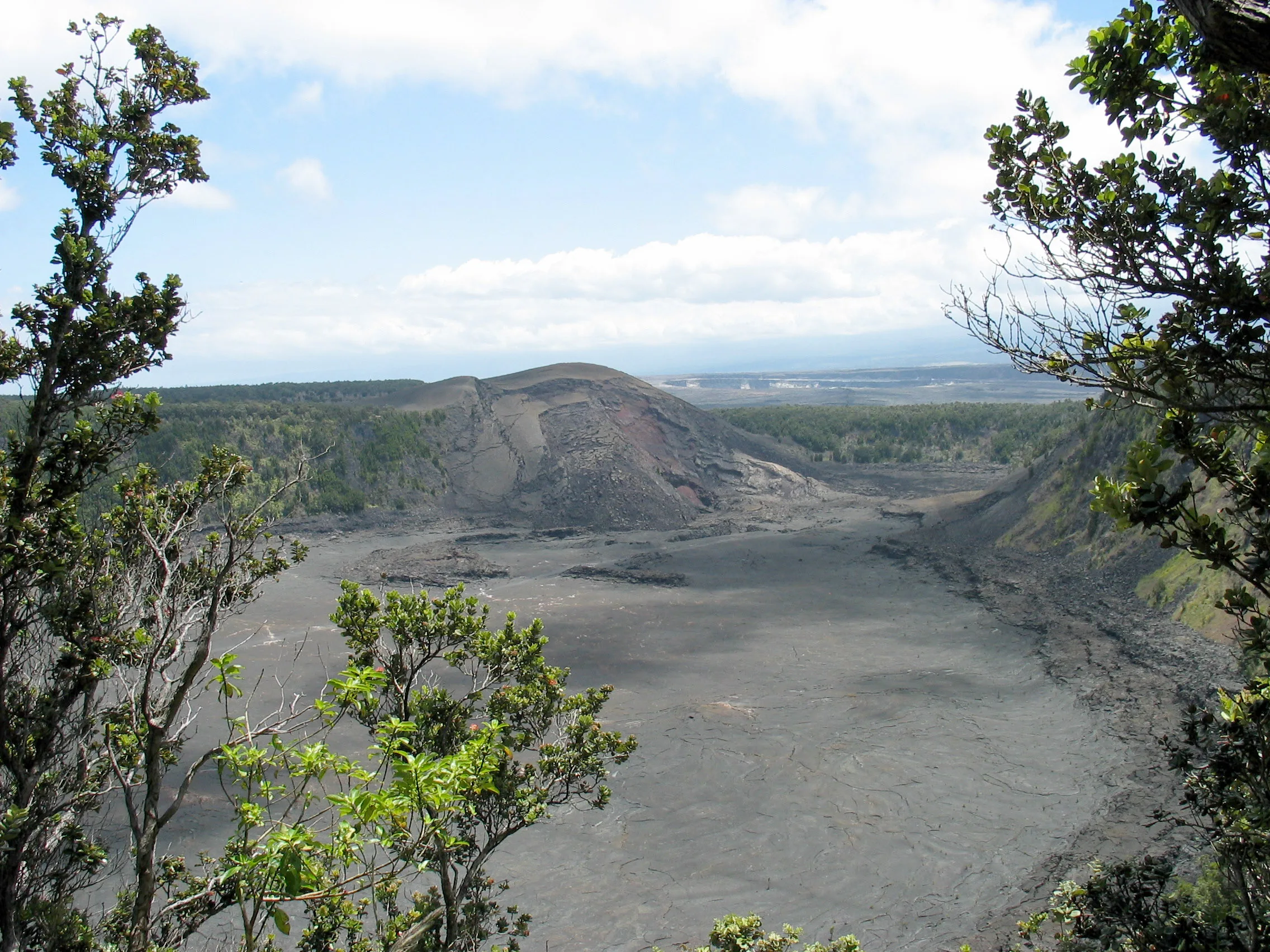
An active volcanic and Native Hawaiian cultural landscape where crater roads, lava terrain, air quality, weather, closures, and eruption-driven congestion can reshape the day.
Official sources
Authority guidance can change. Recheck before departure.
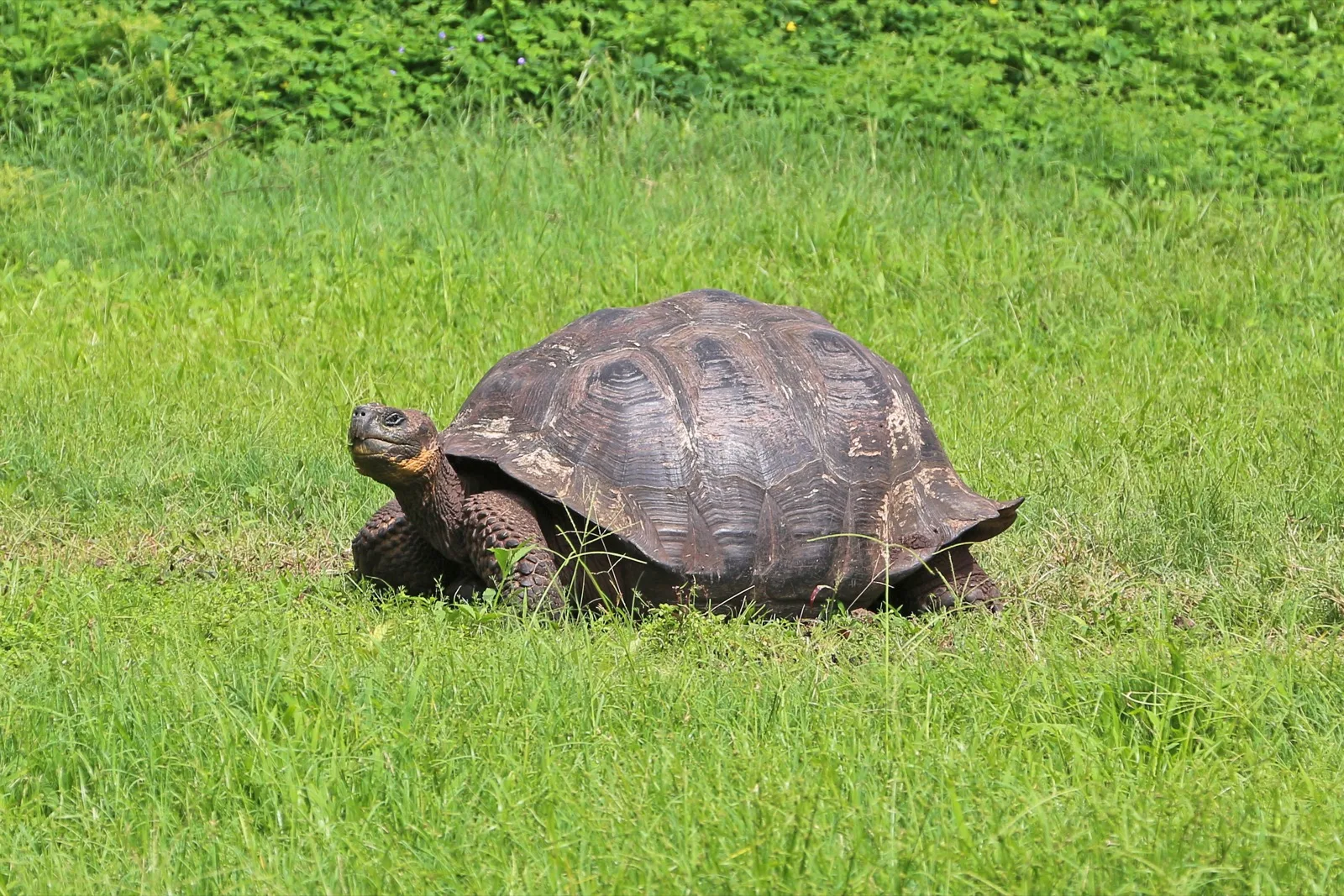
Choose a Galápagos island base or licensed vessel itinerary by the authorized visitor sites it can actually reach. The national park, adjacent marine reserve, transit-control process and conservation entry fee are separate layers; wildlife distance and biosecurity apply throughout.
Official sources
Authority guidance can change. Recheck before departure.
Side by side
Use the matrix to expose the practical differences, then verify changing access with the official source.
| Park | Best window | First visit | Access | Reservations | Effort | Primary caution |
|---|---|---|---|---|---|---|
| Mount Fuji | July–early September for climbing; year-round wider park | 2–4 days | Rail, bus, trailhead transport, and marked routes | Very high | High | Altitude, cold, wind, and volcanic terrain |
| Komodo | April–November | 3–5 days | Authorized boat itinerary and ranger-led landings | High | Moderate | Wildlife, heat, currents, and remote boat travel |
| Hawaiʻi Volcanoes | Year-round; recheck volcano, air-quality, weather, and access conditions | 2–3 days | Self-drive crater and coastal corridors with marked walks and overlooks | Moderate | Moderate | Volcanic gas, unstable ground, sharp lava, changing weather, road closures, and eruption-related congestion |
| Galápagos | Galápagos can be visited throughout the year; warm/wet and cool/garúa periods change sea conditions, visibility and wildlife behavior. Choose dates by the specific site and activity, not a guaranteed species sighting. | Several complete island days, with a separate transit day for each meaningful base change; a vessel itinerary depends on its approved site sequence | Land-based stay on a named inhabited island plus approved day trips; Licensed small-vessel itinerary with authorized sites and naturalist guidance; Passenger launch between inhabited islands where the dated timetable and sea conditions fit | High | Moderate | Sea conditions, sun exposure, wildlife proximity, biosecurity lapses and misread site or vessel permissions |
Choose by trip reality
An island itinerary needs recovery space for wind and sea changes.
A summit is never owed; turnarounds are part of sound mountain judgment.
Use authorized guides and routes where local management requires them.
Planning modules
These notes are durable questions, not a live operational feed.
When the park works
A familiar month can mean snow, heat, monsoon, fire restrictions, or a closed road somewhere else. Start with the park authority, then shape the trip.
How the day begins
Entry, transport, accommodation, and guided access are separate constraints. Identify the scarce piece before committing to flights or a long drive.
Leave the visit lighter
Protected places are living systems and, in many parks, living cultural landscapes. Follow local limits, use durable surfaces, and make room for custodianship.
Mount FujiTreat the mountain as a cultural landscape, carry waste out, and use official facilities and routes.
KomodoChoose operators that manage waste and respect landing, anchoring, reef, and wildlife rules.
Hawaiʻi VolcanoesStay on designated roads, trails, and overlooks; respect closures and Native Hawaiian cultural connections to the volcanic landscape.
GalápagosUse authorized sites and guides where required, remain on marked routes, remove no natural material, clean gear and avoid introducing organisms between islands.
Related first-visit guidance
No sighting or access condition is guaranteed. Keep distance, follow local instructions, and recheck every authority before departure.
Keep food contained and avoid disturbing forest and lakeshore wildlife.
Primary caution: Altitude, cold, wind, and volcanic terrain
Komodo dragons are wild predators; follow ranger positioning and distance instructions without exception.
Primary caution: Wildlife, heat, currents, and remote boat travel
Give nēnē and other native wildlife space, never feed animals, and slow down around wildlife on roads and parking areas.
Primary caution: Volcanic gas, unstable ground, sharp lava, changing weather, road closures, and eruption-related congestion
Follow the park’s at-least-two-metre wildlife distance, including cameras; never touch, feed, chase or obstruct animals.
Primary caution: Sea conditions, sun exposure, wildlife proximity, biosecurity lapses and misread site or vessel permissions
Continue comparing
Move sideways when the access model, effort, or season matters more than the original park idea.
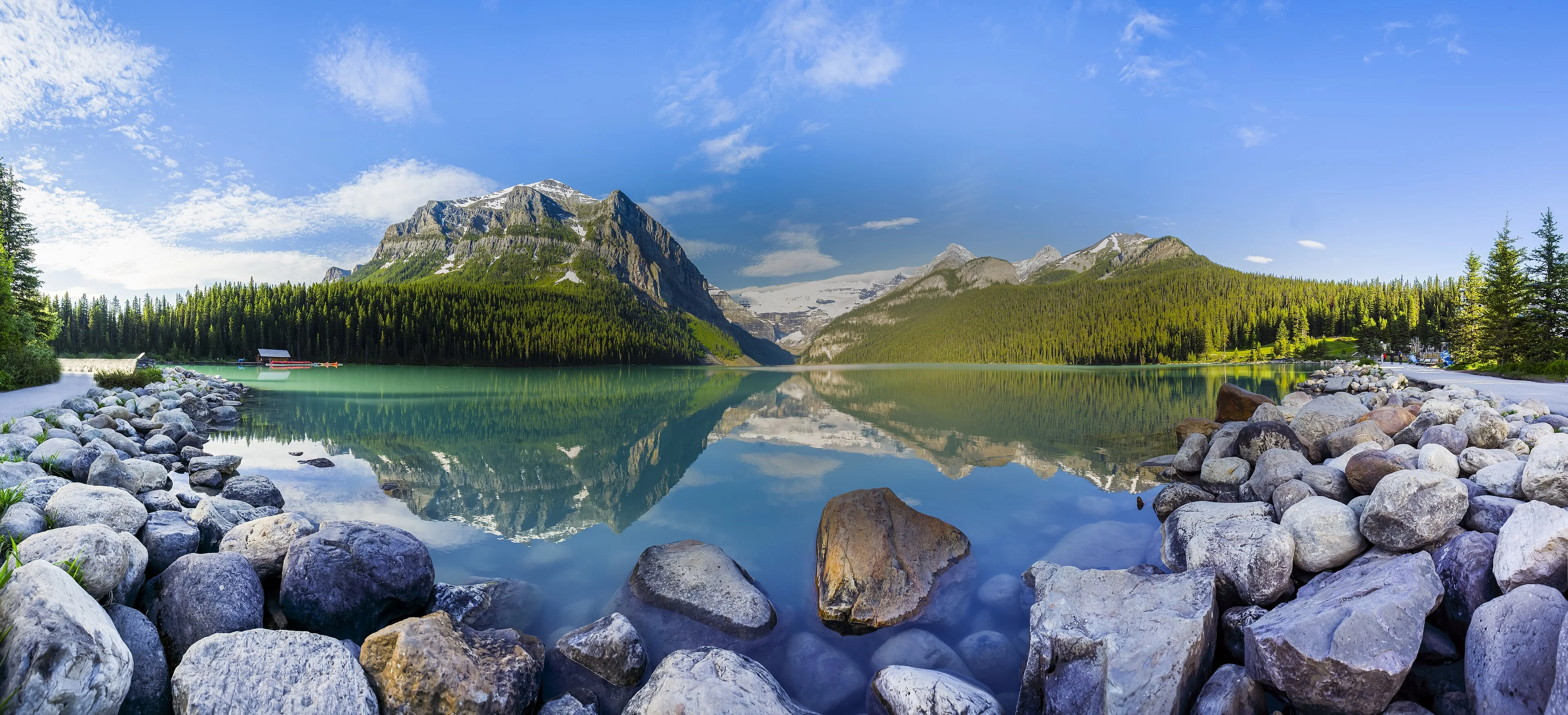
Altitude, weather, roads, shuttles, hiking seasons, and multi-day pacing.
Open field guide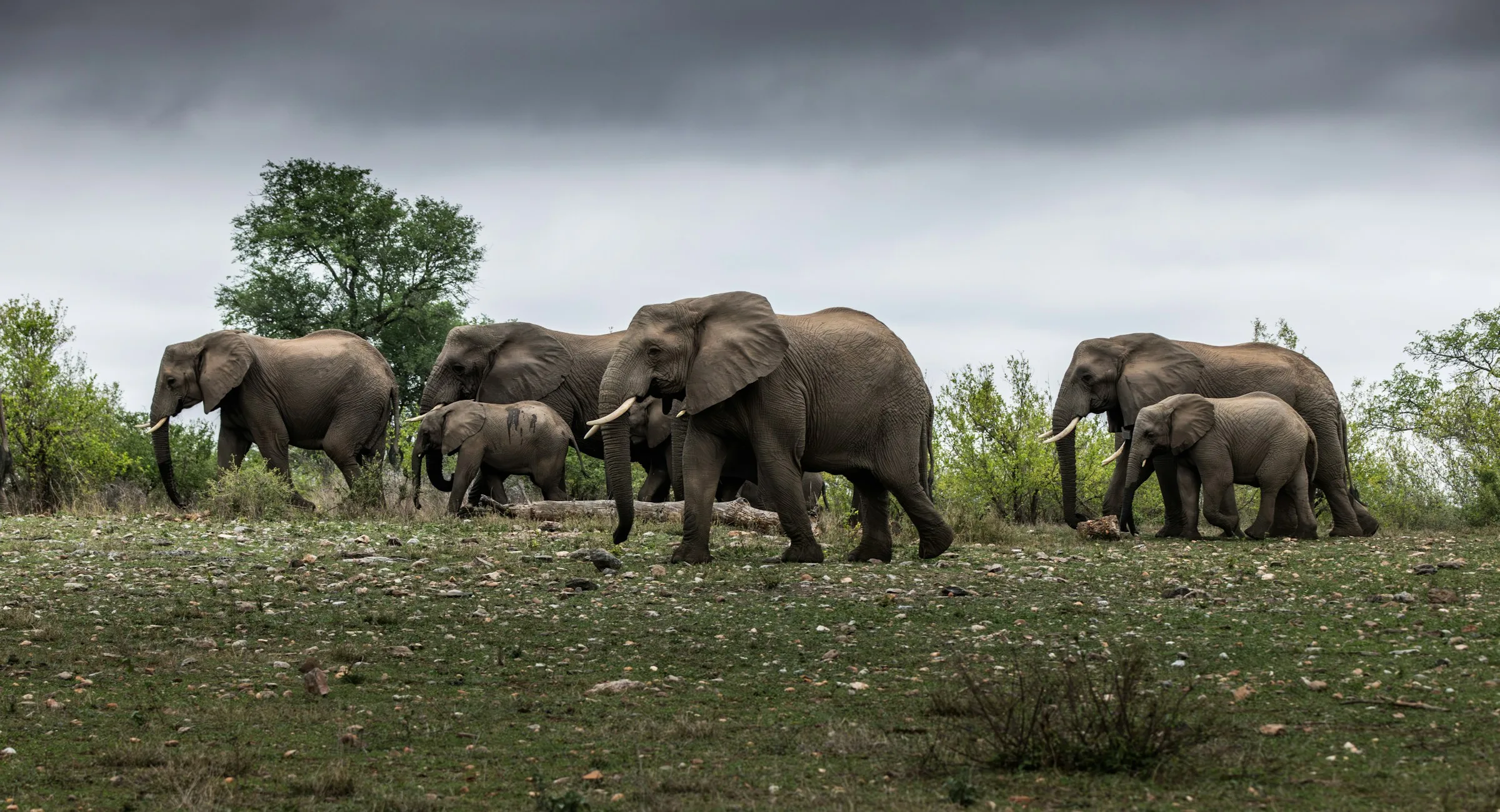
Self-drive versus guided visits, seasons, safe distance, and ethical viewing.
Open field guide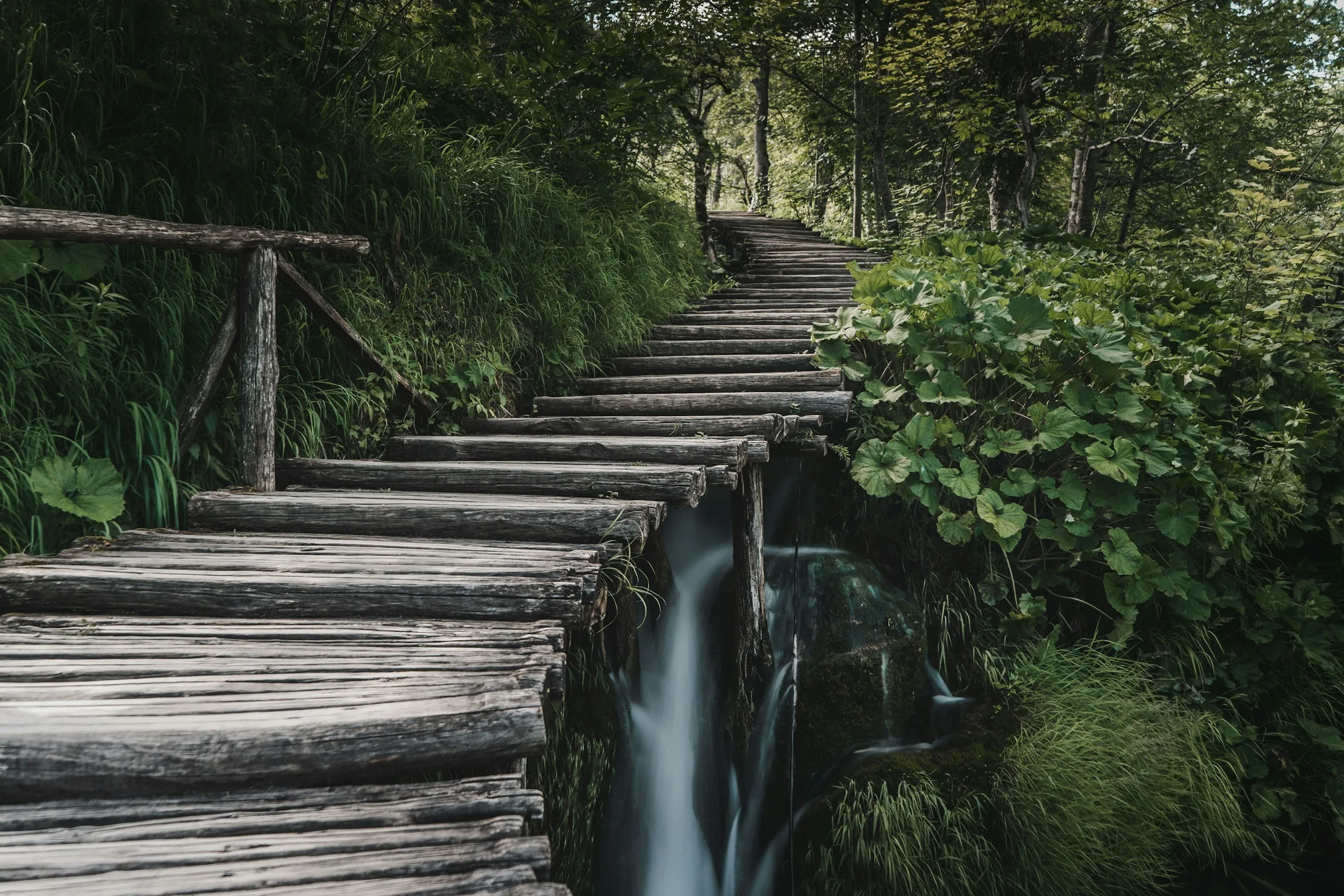
Entrances, timed access, shuttles, walking, rain, and crowd pressure.
Open field guide