A valid TCT and conservation-fee plan
Ecuador · LIFE LISTFirst-visit notes
Life List · First-visit field guide
Galápagos National Park
Choose a Galápagos island base or licensed vessel itinerary by the authorized visitor sites it can actually reach. The national park, adjacent marine reserve, transit-control process and conservation entry fee are separate layers; wildlife distance and biosecurity apply throughout.
Why it belongs on the listWhy it belongs on your Life List
What makes this place worth a lifetime detour
Life List status is about an experience that is difficult to substitute, not simply popularity.
Galápagos is a Life List protected landscape because volcanic islands, marine habitats and highly adapted wildlife can be understood in one trip. A complete visit is measured by careful observation within managed sites, not by touching a tortoise or collecting island names.
Signature experiences
The experiences that define this park
These are representative experiences, not a promise that every activity will be available under current conditions.
- 01
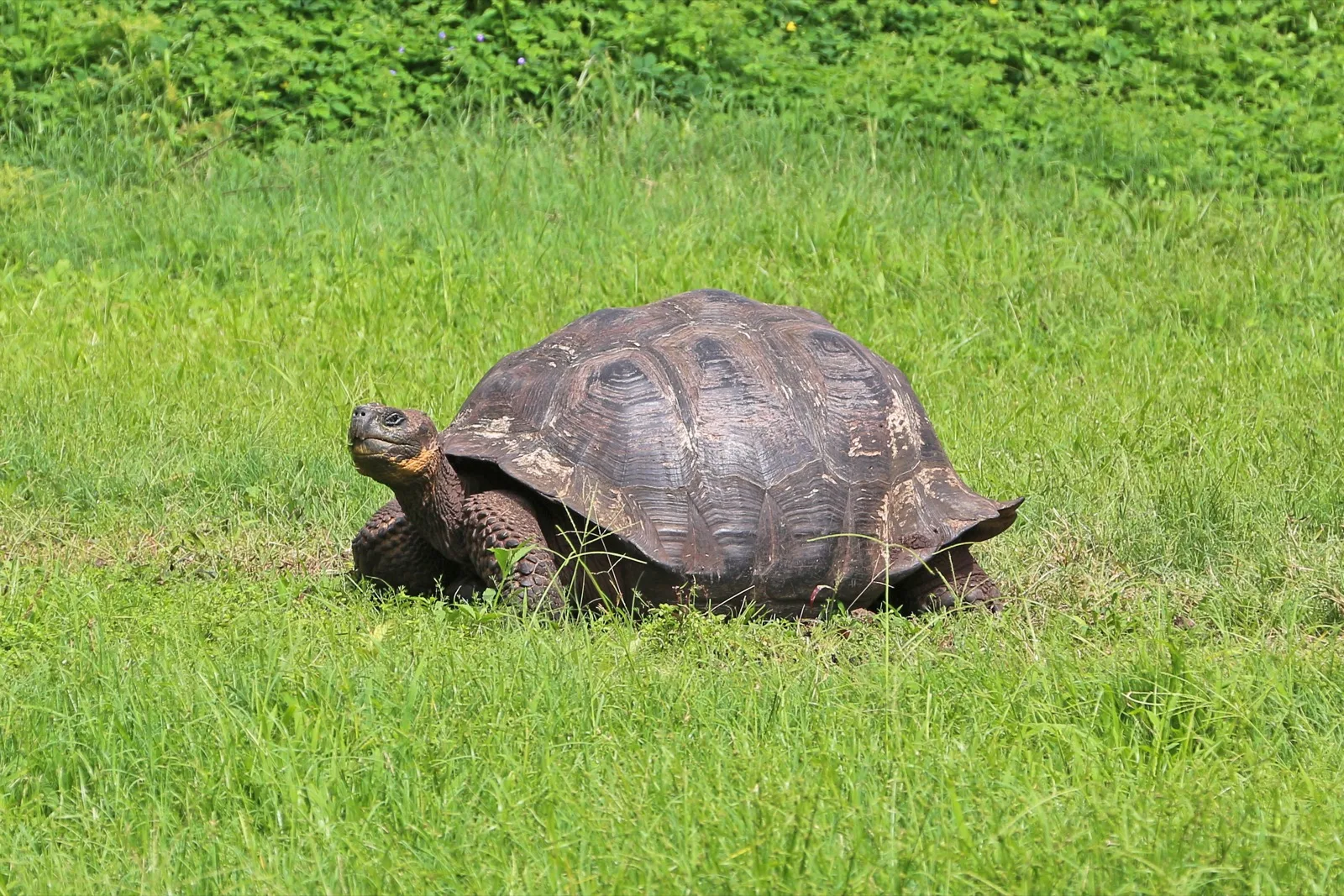
Observe giant tortoises or other island wildlife from the required distance
- 02
Learn how land sites and marine activities are managed
- 03
Travel an authorized route with a competent naturalist guide where required
- 04
Notice how biosecurity protects islands from introduced species
What counts as a complete first visit
A satisfying first completion, not an exhaustive conquest
Use this as a collection-minded benchmark while allowing weather, access, safety, and local rules to change the exact itinerary.
Named island bases or permitted vessel sites
An authorized guide/operator for controlled visits
Wildlife distance and no-removal rules followed every day
First-visit verdict
Decide the shape of the trip before the bookings
This page is durable planning context, not a live conditions feed. Recheck every authority before departure.
Best planning window
Galápagos can be visited throughout the year; warm/wet and cool/garúa periods change sea conditions, visibility and wildlife behavior. Choose dates by the specific site and activity, not a guaranteed species sighting.
First visit
Several complete island days, with a separate transit day for each meaningful base change; a vessel itinerary depends on its approved site sequence
Gateway logic
Fly from mainland Ecuador into an authorized Galápagos airport, then reach a named inhabited-island base such as Puerto Ayora on Santa Cruz or Puerto Baquerizo Moreno on San Cristóbal. Flights, the Transit Control Card, conservation fee, island transfers and licensed visitor-site trips have separate requirements.
Reservation pressure
High
Effort
Moderate
Primary caution
Sea conditions, sun exposure, wildlife proximity, biosecurity lapses and misread site or vessel permissions
Trip fit
Who this park suits
Match the access model and pace to the travelers, not only the scenery.
Good fit
- Visitors who want patient wildlife observation within official distance rules
- Travelers prepared to compare exact site permissions and operator documents
- Land-based visitors who can keep inter-island days realistic
Less suitable when
- An expectation that every island or beach is freely accessible
- A wildlife selfie or close-contact objective
- A last-minute boat chosen without permit, route, guide or sea-condition checks
Transport fit
- Land-based stay on a named inhabited island plus approved day trips
- Licensed small-vessel itinerary with authorized sites and naturalist guidance
- Passenger launch between inhabited islands where the dated timetable and sea conditions fit
Priority order
Build the first visit around these decisions
Keep the plan credible before adding optional stops.
- 01
Choose a land-based island or licensed vessel route from the authorized sites you actually want to visit.
- 02
Arrange the required Transit Control Card process and the separate protected-area conservation fee before departure.
- 03
Confirm that the operator, vessel and naturalist guide are authorized for the proposed visitor sites and activity mode.
- 04
Follow the park’s minimum wildlife-distance guidance, do not touch or feed animals, and prevent introduction of seeds or other organisms.
Planning decisions
Make the high-friction choices explicit
These are the decisions most likely to change the shape of a first visit.
Choose authorized sites, not just island names
The Directorate manages distinct land and marine visitor sites with allowed activities. A base on Santa Cruz does not by itself grant access to every nearby island.
- Use the current official visitor-site catalogue to name the sites and permitted activity.
- Confirm how the chosen licensed day trip or vessel itinerary reaches each site.
- Separate national-park land visits from marine-reserve activities and their operator conditions.
Transit card and conservation fee are separate
The Special Government Council manages the Transit Control Card (TCT); the Park Directorate publishes protected-area conservation entry fees by category.
- Read the current TCT steps before the mainland airport departure.
- Check the official conservation-fee category and payment method for the traveler.
- Do not assume either payment is included in a hotel or boat quote.
Land-based and vessel trips solve different access problems
An inhabited-island room allows flexible local days, but remote authorized sites still need the right day boat and guide. A permitted vessel links sites under its approved itinerary.
- Compare the actual island bases, daily boat legs and overnight pattern.
- Ask for the vessel name, permitted site schedule, naturalist-guide credentials and all exclusions.
- Do not confuse ordinary passenger launches between towns with national-park wildlife excursions.
Let wildlife rules set the viewing distance
The Directorate emphasizes at least two metres from wildlife, no touching or feeding, marked paths and authorized services.
- Keep distance even when an animal approaches or another visitor stands closer.
- Do not take rocks, sand, plants or animals, and clean gear against invasive species.
- Respect guide and ranger redirection at nesting or sensitive sites.
Common mistakes
What makes a first visit harder than it needs to be
Treating a hotel, inter-island ferry or cruise purchase as proof of park-entry or visitor-site authorization.
Copying an island itinerary without checking whether the vessel can visit those sites.
Scheduling a rough-sea crossing immediately before a nonrefundable flight.
Using an old operator list as proof of current authorization or allowing photos to override wildlife distance.
Wildlife, safety, and care
Leave certainty out of the plan
Weather, wildlife, roads, closures, reservations, and local operating rules can change.
Wildlife and safety
Follow the park’s at-least-two-metre wildlife distance, including cameras; never touch, feed, chase or obstruct animals.
Conservation
Use authorized sites and guides where required, remain on marked routes, remove no natural material, clean gear and avoid introducing organisms between islands.
Useful next steps
Use the right official or booking doorway
Official rules and availability are separate from a general accommodation search.
Review authorized Galápagos visitor sites
Match a proposed boat or land itinerary to currently managed visitor areas.
Open official siteCheck the TCT process
Prepare the separate island transit-control document before flying.
Open official siteCheck the conservation entry fee
Verify category-specific park entry fees with the Directorate.
Open official siteSearch inhabited-island stays
General hotel search only; verify island, transfers and permitted trips separately.
Open platformBefore departure
Recheck what can change
Do not rely on a saved itinerary for operating conditions.
- 01
Current TCT process and required documents
- 02
Conservation fee and payment method by category
- 03
Authorized sites and guide/operator permission
- 04
Vessel route or passenger-launch timetable
- 05
Sea conditions, site closures and biosecurity rules
Related decisions
Use the park in a real trip decision
These guides compare access, pacing, transport, or trip structure without duplicating this park-level guide.
Galápagos Land-Based Trip or Small Ship?
Compare inhabited-island bases and licensed day boats with a permitted multi-site vessel itinerary, without treating wildlife as a guaranteed product.
Open decision guideHow to Check a Komodo or Galápagos Wildlife Operator
Ask the permit, site, guide and safety questions that reveal whether an attractive boat listing is a workable protected-area trip.
Open decision guideKeep comparing
Volcanoes & Islands
Climbing seasons, boats, operators, marine conditions, and sensitive habitats.
Regional field guide
Island Wildlife Parks: Komodo and Galápagos
Compare a Labuan Bajo boat and ranger visit with a Galápagos island-base or permitted vessel itinerary, then verify access and wildlife rules before paying.