Define the actual activity
A Fuji summit, a lower Fuji landscape day and a Kīlauea walk require different preparation.
Regional field guide
Choose a Fuji foothills day or regulated summit attempt, then design a Hawaiʻi Volcanoes crater-and-road visit that does not depend on visible lava.
Compare your optionsFirst decision
Mount Fuji and Hawaiʻi Volcanoes are not interchangeable volcanic attractions. Fuji can be a low-elevation cultural and landscape visit, while its summit is a seasonally regulated high-altitude undertaking. Hawaiʻi Volcanoes offers crater, forest and lava-landscape routes even during eruption pauses, but live NPS/USGS gas and closure information controls the day. Book the activity and overnight base that match the chosen exposure, not the postcard.
Choose the exposure
A park visit can be complete without a summit or an eruption. Choose the access system that fits the group.
| Plan | Best fit | Plan around |
|---|---|---|
| Fuji foothills | Lake, forest and cultural landscape without a summit commitment | Cloud visibility, local transport and a named lower-elevation route. |
| Fuji summit | Equipped high-altitude hikers within the official climbing season | Route regulation, gate, fee, hut, altitude and weather. |
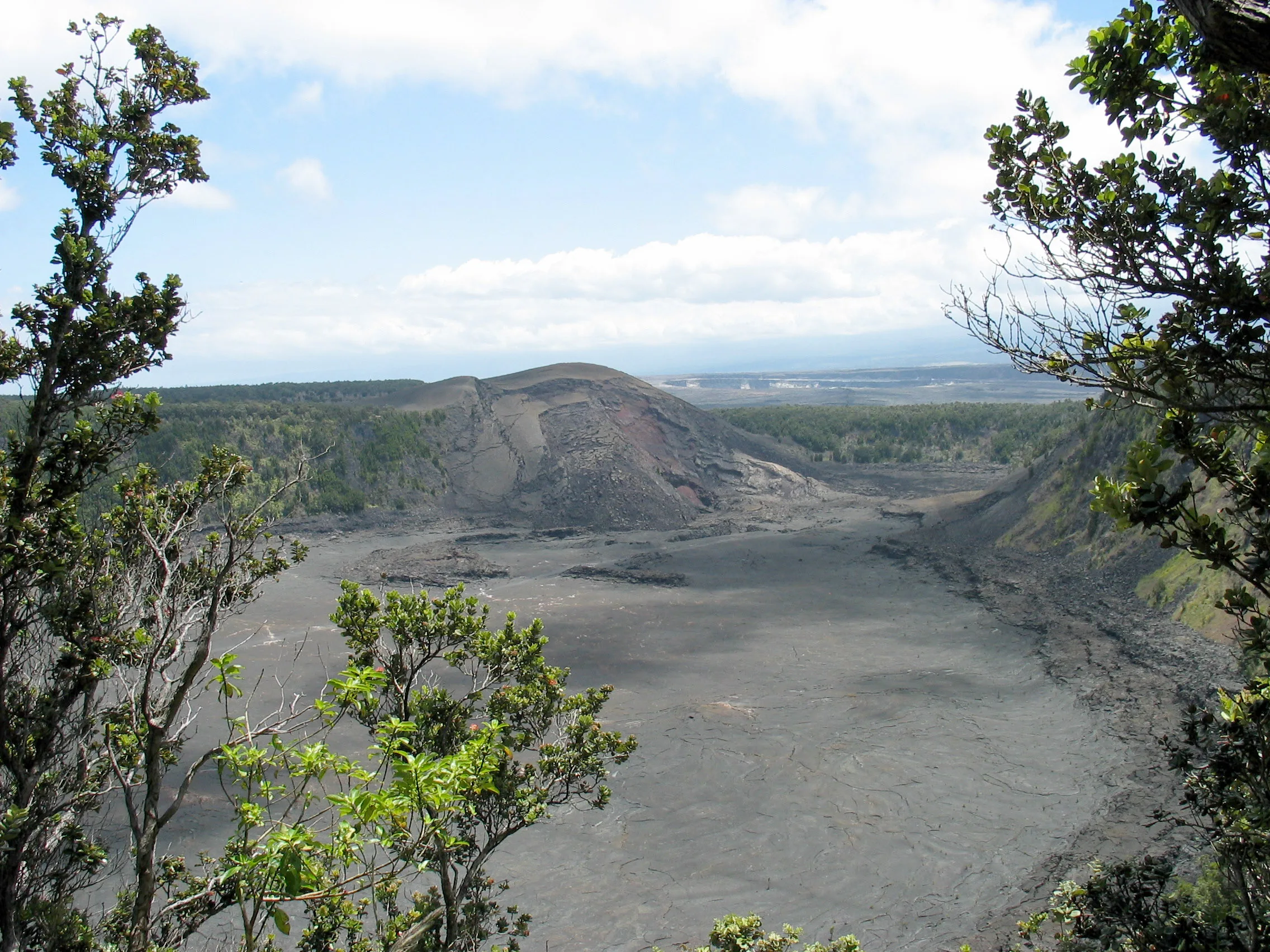
| Hawaiʻi Volcanoes | Crater-rim, rainforest and lava-history days with flexible road access | Gas, closure, parking and construction; active lava is not guaranteed. |
Planning order
A few early choices prevent most avoidable backtracking.
A Fuji summit, a lower Fuji landscape day and a Kīlauea walk require different preparation.
Name the Fuji route or foothills area; for Hawaiʻi, compare Volcano village, Hilo and Kona by real drive time.
Fuji route controls are season-specific. Hawaiʻi NPS and USGS give live eruption, gas, road and closure information.
A clouded summit, closed trail or paused eruption should not erase the value of the protected landscape.
Park guides
These pages cover the park-level experience, hazards, and practical arrival decisions.
A first Mount Fuji plan must separate the wider Fuji-Hakone-Izu landscape from a summit climb. The summit route is a regulated high-altitude seasonal objective with four trailheads, registration and fee systems, mountain huts, transport controls, weather, and equipment requirements.
Read the park guideA first Hawaiʻi Volcanoes trip is a dynamic-landscape planning problem: Kīlauea summit, Chain of Craters Road, lava terrain, Native Hawaiian cultural context, volcanic gas, parking pressure, construction, weather, and closures all require a plan that can change on the day.
Read the park guideDecision guides
Access, reservations, overnight bases, and pacing each call for a different choice.
Separate a regulated high-altitude summit attempt from a lake, forest or cultural-landscape visit that does not require the climbing route.
Read the guideChoose a crater-rim, rainforest and lava-landscape visit that remains worthwhile even when no eruption is visible.
Read the guideCompare the real drive to the park from Hilo, Volcano village and Kona before choosing a room or relying on a bus.
Read the guideBefore departure
Park bulletins and reservation terms outrank a saved itinerary.