Check NPS eruption and access guidance
Choose an open and safe viewpoint on the actual visit day.
Open official site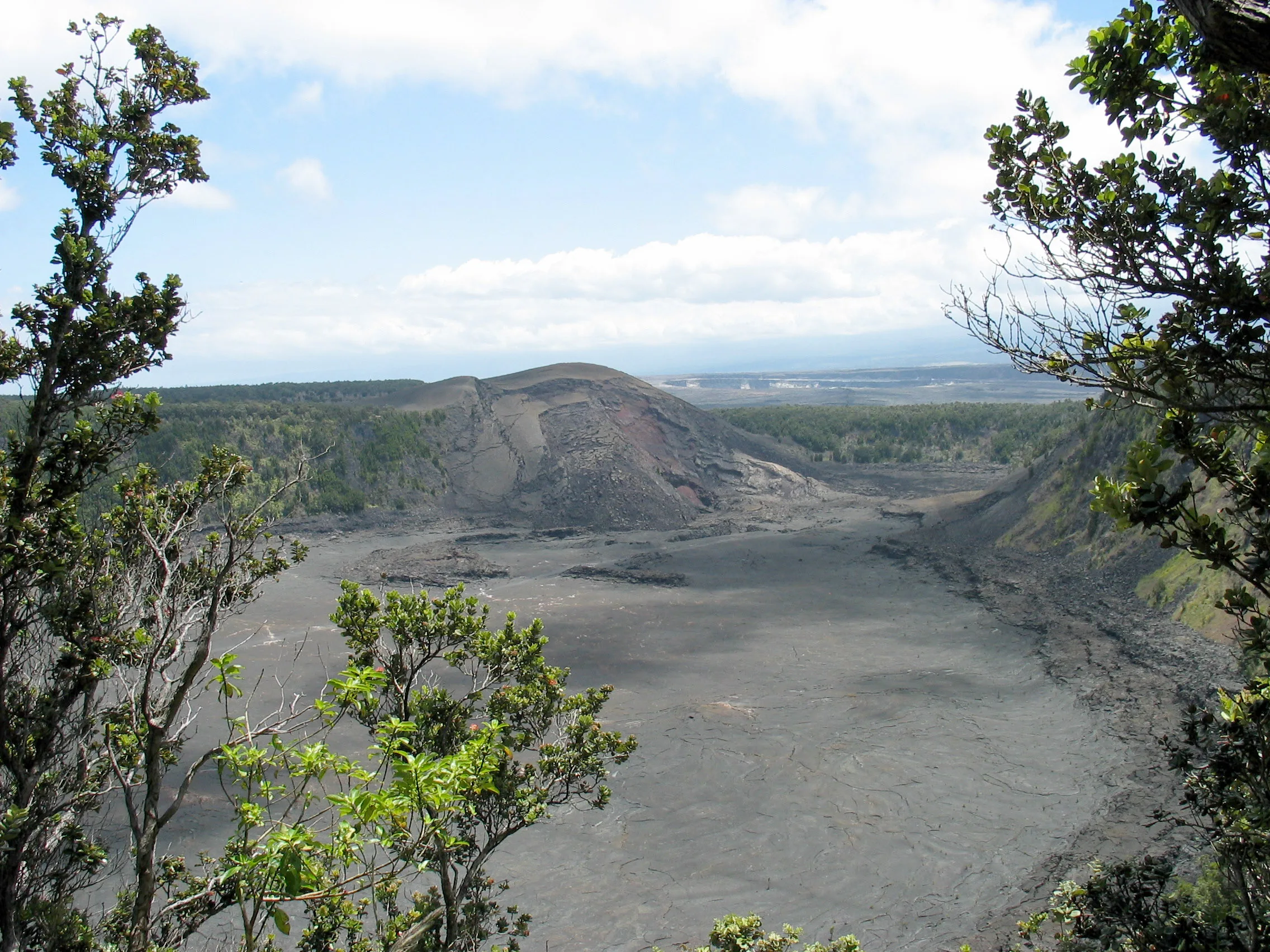
Kīlauea trip pacing
Choose a crater-rim, rainforest and lava-landscape visit that remains worthwhile even when no eruption is visible.
Start with the verdictVerdict
One deliberate day can cover an open Kīlauea summit-area walk and selected overlooks. Add a second day when you want the Kīlauea Iki loop, Chain of Craters Road or a slower cultural and ecological visit without racing the return drive. Eruption visibility is never the itinerary guarantee: NPS describes episodic activity, closures, gases and construction-related parking limits, so build a no-lava version first and use live NPS/USGS information only on the visit day.
Useful next steps
Official park rules remain the authority. A general accommodation platform is a search tool, not a specific property endorsement.
Choose an open and safe viewpoint on the actual visit day.
Open official siteDecision structure
Use these differences to shape the trip. They are durable planning context, not live operating status.
A summit-area day is most useful when a single hike and a few open viewpoints are the main job.
Another day lets a trail, coastal road or cultural landscape stand on its own.
Volcanic gas, eruption pauses, crowding and temporary construction change which open viewpoint is sensible.
Before departure
Do not treat this guide as a live road, reservation, weather, fire, wildlife, or water feed.
NPS live eruption, gas and closure guidance
USGS Kīlauea status and webcams
Summit construction and parking
Kīlauea Iki and Chain of Craters Road status
Weather and daylight
Related authority pages
A first Hawaiʻi Volcanoes trip is a dynamic-landscape planning problem: Kīlauea summit, Chain of Craters Road, lava terrain, Native Hawaiian cultural context, volcanic gas, parking pressure, construction, weather, and closures all require a plan that can change on the day.
Open first-visit guideRegional field guide
Choose a Fuji foothills day or regulated summit attempt, then design a Hawaiʻi Volcanoes crater-and-road visit that does not depend on visible lava.
Continue planning
These guides cover different parts of the same trip.
Separate a regulated high-altitude summit attempt from a lake, forest or cultural-landscape visit that does not require the climbing route.
Read this guideCompare the real drive to the park from Hilo, Volcano village and Kona before choosing a room or relying on a bus.
Read this guide