A Kīlauea summit experience
United States · LIFE LISTFirst-visit notes
Life List · First-visit field guide
Hawaiʻi Volcanoes National Park
A first Hawaiʻi Volcanoes trip is a dynamic-landscape planning problem: Kīlauea summit, Chain of Craters Road, lava terrain, Native Hawaiian cultural context, volcanic gas, parking pressure, construction, weather, and closures all require a plan that can change on the day.
Why it belongs on the listWhy it belongs on your Life List
What makes this place worth a lifetime detour
Life List status is about an experience that is difficult to substitute, not simply popularity.
Hawaiʻi Volcanoes belongs on a Life List because it makes island building visible at human scale: two of the world’s most consequential shield volcanoes, young lava landscapes, rainforest and endemic life, and Native Hawaiian cultural relationships all occupy one continuously changing protected place.
Signature experiences
The experiences that define this park
These are representative experiences, not a promise that every activity will be available under current conditions.
- 01
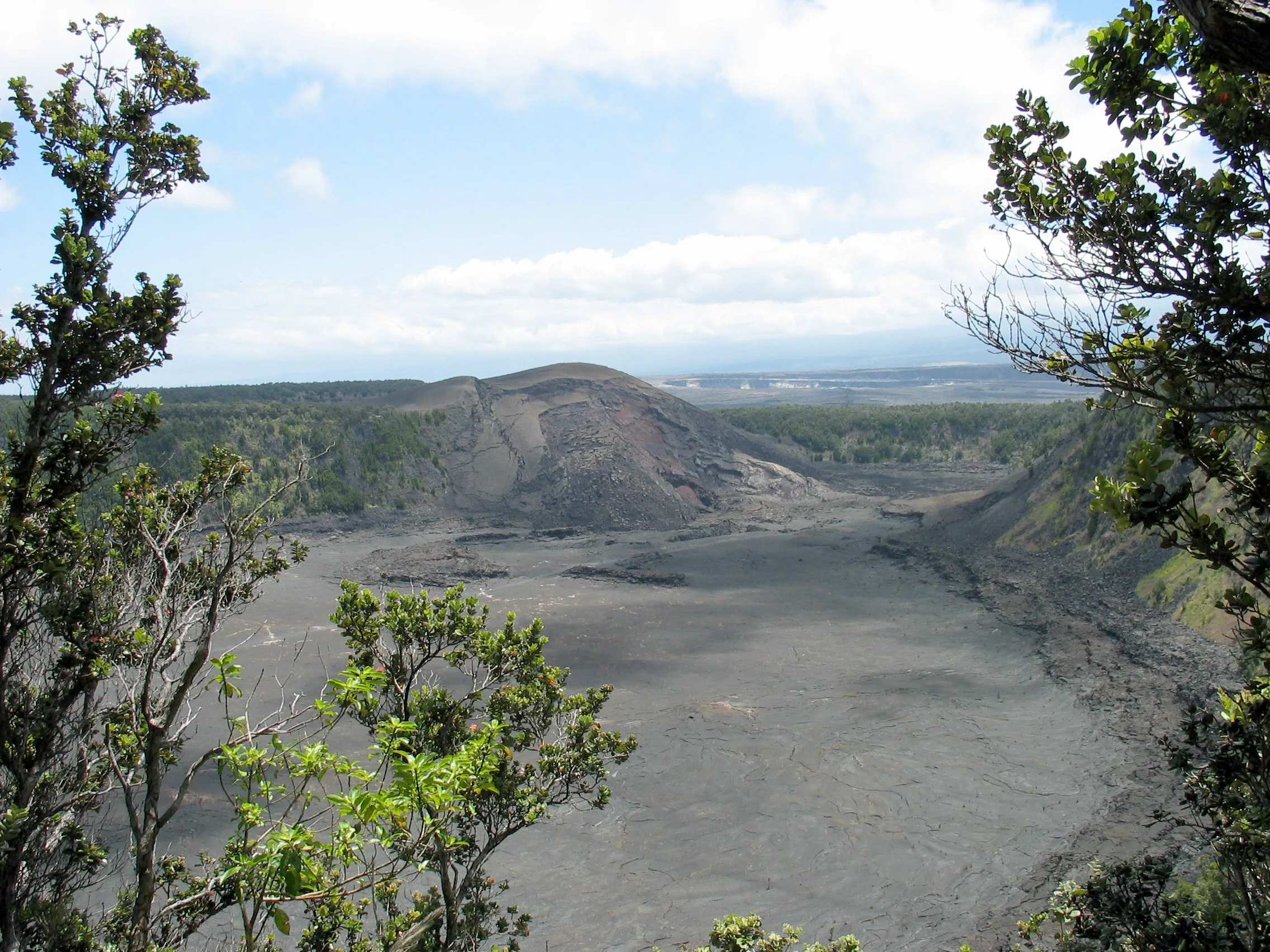
Stand at an officially open Kīlauea summit overlook and read the caldera as a changing landscape rather than a fixed viewpoint
- 02
Drive Chain of Craters Road to understand how lava flows connect high volcanic terrain with the coast
- 03
Walk a designated crater, rainforest, lava-tube, or lava-landscape trail that is open under current conditions
- 04
Use Native Hawaiian cultural interpretation to understand why this landscape is more than a geological attraction
- 05
If eruptive activity is visible, view it only from authorized locations and treat its presence as a changing natural event rather than an entitlement
What counts as a complete first visit
A satisfying first completion, not an exhaustive conquest
Use this as a collection-minded benchmark while allowing weather, access, safety, and local rules to change the exact itinerary.
A lava-landscape or Chain of Craters Road experience
One meaningful walk
A Native Hawaiian cultural interpretation component
A current volcano, air-quality, weather, and closure check that can change the plan
First-visit verdict
Decide the shape of the trip before the bookings
This page is durable planning context, not a live conditions feed. Recheck every authority before departure.
Best planning window
The park is a year-round destination, but volcanic activity, air quality, rain, wind, heat, construction, road conditions, and temporary closures can change the experience quickly. Plan the season broadly and the actual day from current NPS and USGS information.
First visit
2–3 days for Kīlauea summit, Chain of Craters Road, cultural interpretation, and one or more walks without turning eruption viewing into the only measure of success
Gateway logic
Hilo is the closest major air-and-service gateway for many visitors, while Kona is workable for a wider Hawaiʻi Island road trip. A rental car is the practical default because the park spans summit, forest, lava, and coastal corridors.
Reservation pressure
Moderate
Effort
Moderate
Primary caution
Hazardous volcanic gases, unstable ground, hidden cracks and lava tubes, sharp lava, variable weather, coastal hazards, road closures, and crowding during eruptive activity
Trip fit
Who this park suits
Match the access model and pace to the travelers, not only the scenery.
Good fit
- Volcanic-landscape travelers
- Hawaiʻi Island road trippers
- Families comfortable with changing weather and road stops
- Visitors interested in Native Hawaiian cultural context
Less suitable when
- Trips built around seeing active lava as a promised outcome
- Visitors unwilling to recheck volcanic gas or closure information
- Itineraries with no flexibility for weather, construction, or eruption-driven congestion
Transport fit
- Rental car from Hilo or Kona
- Guided volcano and cultural tours
- Walking from designated overlooks, trailheads, and visitor areas
Priority order
Build the first visit around these decisions
Keep the plan credible before adding optional stops.
- 01
Check current NPS conditions and USGS volcano status before deciding which park corridor gets the day.
- 02
Treat Kīlauea summit and Chain of Craters Road as separate landscape experiences rather than one rushed loop.
- 03
Build Native Hawaiian cultural interpretation into the visit instead of treating the volcano only as a geological spectacle.
- 04
Keep a Plan B that still works if volcanic activity, air quality, weather, parking, construction, or closures change.
Planning decisions
Make the high-friction choices explicit
These are the decisions most likely to change the shape of a first visit.
Plan the volcano as a dynamic system, not a scheduled attraction
Kīlauea and Mauna Loa status can change, and an eruption may pause, resume, remain distant, or change access. The park directs visitors to current NPS conditions and USGS Hawaiian Volcano Observatory updates.
- Check volcano status close to departure and again during the visit.
- Use established eruption-viewing locations only when they are officially open.
- Treat a no-lava day as a complete park day rather than a failed visit.
Give the summit and lava-to-sea road separate time
Kīlauea summit overlooks, rainforest walks, lava-tube access, and Chain of Craters Road reveal different parts of the volcanic system and do not need to be compressed into one loop.
- Use one main corridor as the anchor for each half-day.
- Allow time for parking and construction delays around the summit.
- Check the road and trail status before committing to distant stops.
The landscape is also a Native Hawaiian cultural place
NPS explicitly asks visitors to contemplate the deep Native Hawaiian connections to this volcanic landscape. Cultural meaning belongs in the core visit, not as a sidebar after the geology.
- Use ranger, visitor-center, and official interpretation to understand cultural connections.
- Approach eruption viewing quietly and respectfully.
- Follow closures, signs, and requests that protect culturally important places.
Air quality and weather can overrule the itinerary
Volcanic gases, ash, rapidly changing rain, wind, heat, cold, and coastal conditions create different risk profiles across the park.
- Check current air-quality guidance before and during the visit.
- Carry rain, sun, water, and sturdy-footwear layers appropriate to the planned corridor.
- Shorten or move the day when gas, weather, fire, storm damage, or official warnings reduce the margin.
Common mistakes
What makes a first visit harder than it needs to be
Assuming an eruption or visible lava will be present because it appeared in recent photos or news.
Entering closed areas or leaving established overlooks for a closer volcanic view.
Ignoring sulfur dioxide, ash, wind, rain, or other air-quality and weather constraints.
Trying to cover the summit, lava tube, long road corridor, coastal stops, and major hikes in one attraction-counting day.
Wildlife, safety, and care
Leave certainty out of the plan
Weather, wildlife, roads, closures, reservations, and local operating rules can change.
Wildlife and safety
Nēnē and other native wildlife may be close to roads, parking areas, and trails. Never feed wildlife, give animals room, and slow down rather than using a sighting as a reason to stop unsafely.
Conservation
Stay on designated roads, trails, boardwalks, and overlooks; never enter closed volcanic terrain; carry waste out; avoid disturbing native species; and respect the living Native Hawaiian cultural relationships embedded in the landscape.
Before departure
Recheck what can change
Do not rely on a saved itinerary for operating conditions.
- 01
Hawaiʻi Volcanoes National Park alerts, closures, construction notices, and road status
- 02
USGS Hawaiian Volcano Observatory status for Kīlauea and Mauna Loa
- 03
Current eruption-viewing guidance and officially open viewing locations
- 04
Air quality and volcanic-gas guidance for the planned day
- 05
Weather, heavy-rain, fire, storm-damage, and coastal warnings
- 06
Parking, trail, campground, and visitor-facility status for the selected corridors
Related decisions
Use the park in a real trip decision
These guides compare access, pacing, transport, or trip structure without duplicating this park-level guide.
One Day or Two Days at Hawaiʻi Volcanoes National Park?
Choose a crater-rim, rainforest and lava-landscape visit that remains worthwhile even when no eruption is visible.
Open decision guideHilo, Volcano or Kona: Where to Base a Hawaiʻi Volcanoes Trip?
Compare the real drive to the park from Hilo, Volcano village and Kona before choosing a room or relying on a bus.
Open decision guideKeep comparing
Volcanoes & Islands
Climbing seasons, boats, operators, marine conditions, and sensitive habitats.
Regional field guide
Pacific Volcanic Parks: Fuji and Hawaiʻi by Access
Choose a Fuji foothills day or regulated summit attempt, then design a Hawaiʻi Volcanoes crater-and-road visit that does not depend on visible lava.