At least one classic view from the wider landscape
Japan · LIFE LISTFirst-visit notes
Life List · First-visit field guide
Mount Fuji: Fuji-Hakone-Izu National Park
A first Mount Fuji plan must separate the wider Fuji-Hakone-Izu landscape from a summit climb. The summit route is a regulated high-altitude seasonal objective with four trailheads, registration and fee systems, mountain huts, transport controls, weather, and equipment requirements.
Why it belongs on the listWhy it belongs on your Life List
What makes this place worth a lifetime detour
Life List status is about an experience that is difficult to substitute, not simply popularity.
Mount Fuji belongs on a Life List because it is simultaneously a volcano, pilgrimage landscape, national symbol, and source of artistic inspiration. Reaching the summit can be meaningful, but the mountain is larger than the climb: lakes, shrines, pilgrimage routes, viewpoints, and the cultural landscape around its base are part of the achievement.
Signature experiences
The experiences that define this park
These are representative experiences, not a promise that every activity will be available under current conditions.
- 01
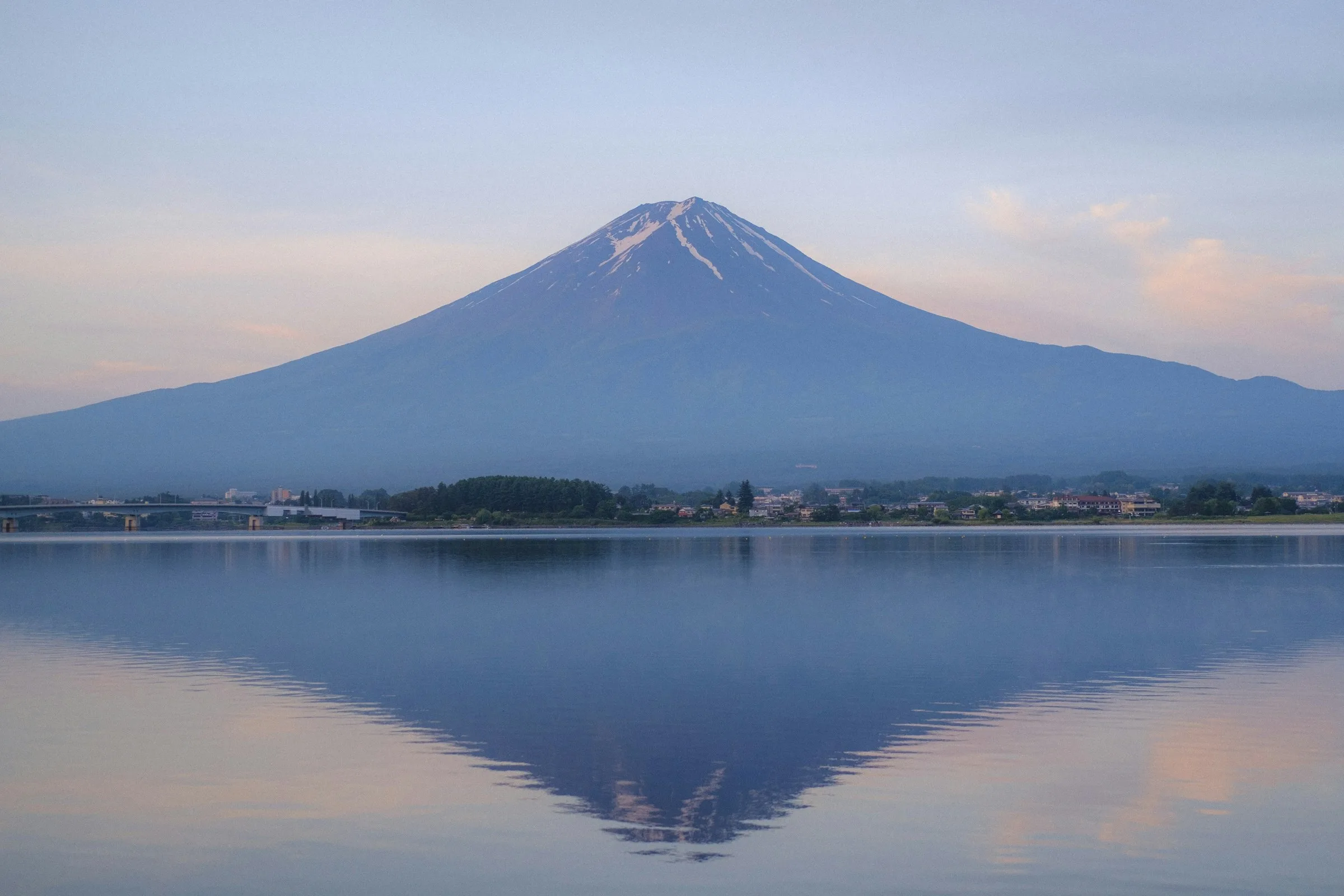
See Fuji from a lake or established viewpoint where the mountain can be understood as a complete landscape
- 02
Visit a shrine, pilgrimage site, or cultural component connected to Fujisan
- 03
If climbing, use an official route during the formal season and treat a safe turnaround as a valid outcome
- 04
Experience one of the Fuji Five Lakes or another foothill landscape
- 05
Understand the mountain through the artistic and spiritual tradition that made its silhouette globally recognizable
What counts as a complete first visit
A satisfying first completion, not an exhaustive conquest
Use this as a collection-minded benchmark while allowing weather, access, safety, and local rules to change the exact itinerary.
One cultural or pilgrimage component
A deliberate decision whether the summit belongs in this trip
If climbing, full compliance with current registration, route, hut, and season rules
A visit that still feels complete even if weather hides the summit
First-visit verdict
Decide the shape of the trip before the bookings
This page is durable planning context, not a live conditions feed. Recheck every authority before departure.
Best planning window
The wider national park can be visited year-round, while official summit trails operate only during a short summer climbing season whose exact opening, registration, fees, gate rules, transport, and weather status must be checked for the current year.
First visit
2–4 days for a wider Fuji-area visit; a summit climb needs its own route, hut or timing, transport, acclimatization, and weather plan
Gateway logic
Tokyo-region rail and bus networks reach the wider national park, while a summit climb must be planned around one of four specific fifth-station trailheads and its current prefectural entry system.
Reservation pressure
Very high
Effort
High
Primary caution
Altitude, cold, wind, rapidly changing weather, volcanic terrain, fatigue, and attempting closed or unprepared routes
Trip fit
Who this park suits
Match the access model and pace to the travelers, not only the scenery.
Good fit
- Cultural landscape visitors
- Prepared high-altitude hikers
- Scenic lake and mountain visitors
- Transit-oriented travelers
Less suitable when
- Visitors treating the summit as a casual day walk
- Trips that do not distinguish the four climbing routes
- Out-of-season summit attempts
Transport fit
- Rail and bus for wider Fuji-Hakone-Izu sightseeing
- Trailhead bus for summit climbing
- Guided climb for visitors who need mountain support
Priority order
Build the first visit around these decisions
Keep the plan credible before adding optional stops.
- 01
Decide whether the goal is summit climbing or wider Fuji-Hakone-Izu sightseeing.
- 02
Choose one official climbing route before arranging transport or mountain huts.
- 03
Complete the current entry registration and fee process.
- 04
Use current weather, trail, equipment, and mountain-hut information to decide whether to climb.
Planning decisions
Make the high-friction choices explicit
These are the decisions most likely to change the shape of a first visit.
Separate summit climbing from the wider national park
Fuji-Hakone-Izu includes lakes, volcanic landscapes, coast and islands beyond the summit route. A first visit does not need to be a climb.
- Choose sightseeing or summit objectives before booking.
- Use the Ministry of the Environment park information for the wider landscape.
- Keep a non-summit alternative for poor climbing conditions.
Choose one of four official climbing routes
Yoshida, Subashiri, Gotemba, and Fujinomiya differ in access, elevation, distance, huts, crowd levels, and prefectural entry systems.
- Select a route before booking trailhead transport.
- Study ascent and descent route color-coding.
- Do not switch route assumptions between prefectures.
Registration and fees are current-year rules
The official climbing site publishes current entry registration, fees, gate hours, equipment requirements, and route-specific restrictions. These can change and should not be frozen into evergreen copy.
- Complete current registration before departure.
- Check gate restrictions for the chosen route.
- Treat current fees and daily limits as departure-time information.
Altitude and mountain-hut planning determine the pace
Mount Fuji rises above 3,700 m; preparation, weather, clothing, timing, and rest matter more than raw walking distance.
- Carry proper cold, wind, rain, and footwear equipment.
- Book a mountain hut separately when the itinerary depends on one.
- Turn back if weather, fatigue, or altitude symptoms make the plan unsafe.
Common mistakes
What makes a first visit harder than it needs to be
Treating all four trails as interchangeable.
Climbing outside the official season.
Attempting an overnight-free rushed ascent without understanding current gate rules and altitude risk.
Confusing mountain entry registration with a mountain-hut reservation.
Wildlife, safety, and care
Leave certainty out of the plan
Weather, wildlife, roads, closures, reservations, and local operating rules can change.
Wildlife and safety
Keep food contained and avoid disturbing forest, lakeshore, and alpine wildlife throughout the wider park.
Conservation
Carry waste out, use official routes and toilets, respect the mountain’s cultural significance, and let current prefectural and national-park rules override an older climbing plan.
Before departure
Recheck what can change
Do not rely on a saved itinerary for operating conditions.
- 01
Official Mount Fuji climbing season and trail openings
- 02
Current registration and hiking-fee procedure
- 03
Route-specific gate restrictions or daily limits
- 04
Mountain-hut reservation and trailhead transport
- 05
Weather, volcanic, and trail-condition notices
- 06
Required clothing and equipment guidance
Related decisions
Use the park in a real trip decision
These guides compare access, pacing, transport, or trip structure without duplicating this park-level guide.
Climb Mount Fuji or Visit the Foothills?
Separate a regulated high-altitude summit attempt from a lake, forest or cultural-landscape visit that does not require the climbing route.
Open decision guideKeep comparing
Volcanoes & Islands
Climbing seasons, boats, operators, marine conditions, and sensitive habitats.
Regional field guide
Pacific Volcanic Parks: Fuji and Hawaiʻi by Access
Choose a Fuji foothills day or regulated summit attempt, then design a Hawaiʻi Volcanoes crater-and-road visit that does not depend on visible lava.