A ranger-led terrestrial wildlife experience
Indonesia · LIFE LISTFirst-visit notes
Life List · First-visit field guide
Komodo National Park
A first Komodo trip is an operator-and-ranger logistics problem across land and sea: Labuan Bajo boat planning, timed landings, naturalist-guide instructions, Komodo dragon distance, heat, currents, diving certification, anchoring rules, and adaptive visitor controls shape the itinerary.
Why it belongs on the listWhy it belongs on your Life List
What makes this place worth a lifetime detour
Life List status is about an experience that is difficult to substitute, not simply popularity.
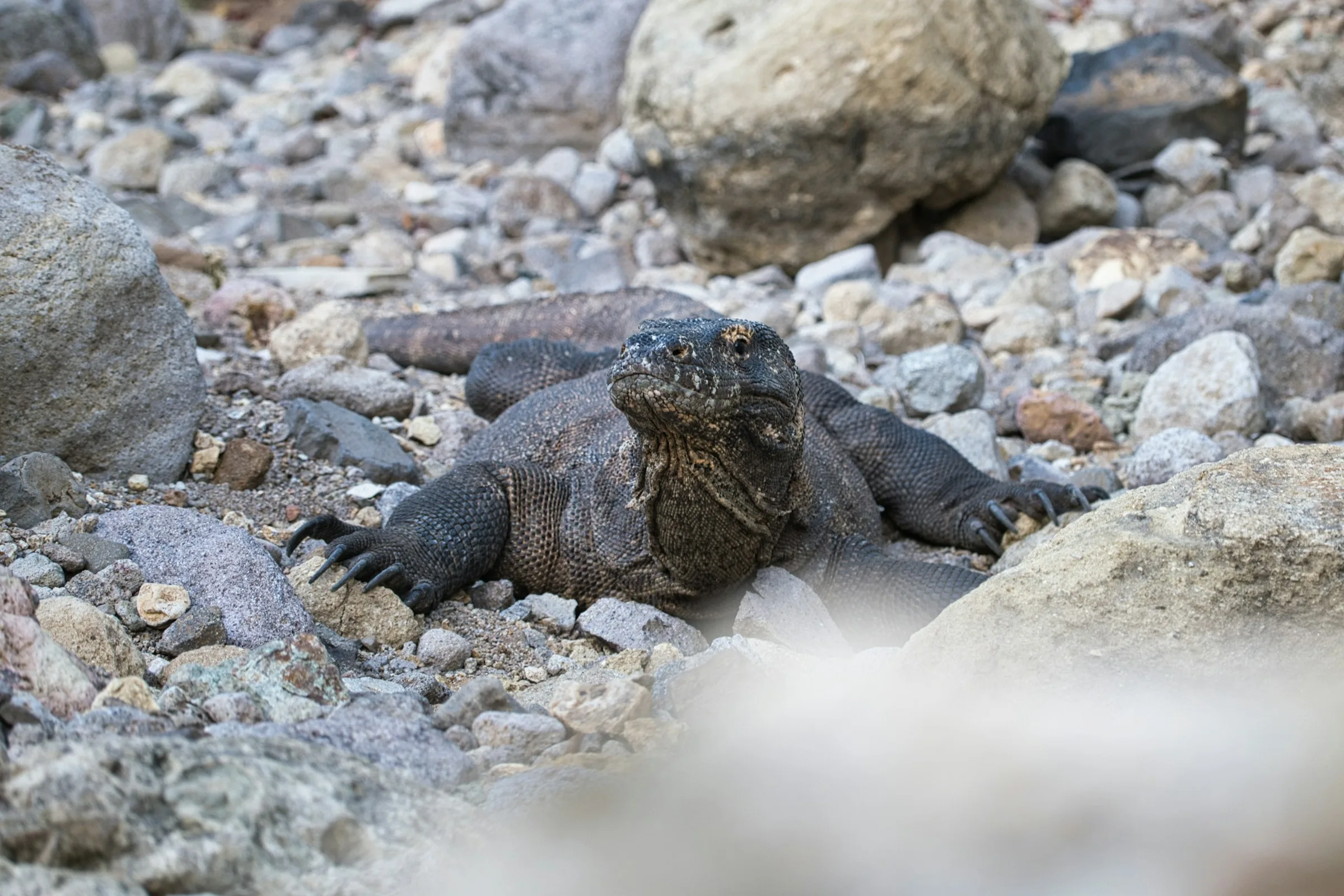
Komodo belongs on a Life List because it protects something exceptionally rare on land and under water. The Komodo dragon is the icon, but the complete experience combines ranger-managed island landings, dry volcanic landscapes, coral reefs, currents, and one of the world’s most biologically distinctive marine environments.
Signature experiences
The experiences that define this park
These are representative experiences, not a promise that every activity will be available under current conditions.
- 01
See Komodo dragons only under current ranger-managed protocol and without seeking unsafe proximity
- 02
Land on more than one island or landscape type when the authorized itinerary allows
- 03
Experience the marine side of the park through snorkeling or diving matched to ability and current conditions
- 04
Travel with an operator whose boat, waste, anchoring, safety, and wildlife practices meet current park expectations
- 05
Allow wind, currents, quota controls, and ranger instructions to change the itinerary
What counts as a complete first visit
A satisfying first completion, not an exhaustive conquest
Use this as a collection-minded benchmark while allowing weather, access, safety, and local rules to change the exact itinerary.
A marine experience appropriate to skill and conditions
More than a single dragon photo stop
A verified operator and current quota or entry plan
No wildlife encounter, landing, or water activity forced against current safety or conservation rules
First-visit verdict
Decide the shape of the trip before the bookings
This page is durable planning context, not a live conditions feed. Recheck every authority before departure.
Best planning window
April through November is a common planning window, but wind, sea state, currents, landing access, timed entry, adaptive quotas, wildlife conditions, and operator schedules require current checks.
First visit
3–5 days for a mixed island, dragon, snorkeling, and marine itinerary; diving adds certification and site-condition requirements
Gateway logic
Labuan Bajo is the practical boat and operator gateway. Choose trip length, licensed operator, landings, snorkeling or diving level, and overnight-boat expectations before departure.
Reservation pressure
High
Effort
Moderate
Primary caution
Komodo dragons, heat, currents, remote marine travel, unsafe boat operations, and ignoring ranger instructions
Trip fit
Who this park suits
Match the access model and pace to the travelers, not only the scenery.
Good fit
- Wildlife-focused boat travelers
- Marine visitors
- Travelers comfortable with remote boat logistics
- Certified divers where relevant
Less suitable when
- Independent unsupervised island trekking
- Visitors who want close wildlife photographs
- Trips that ignore marine-current and operator safety
Transport fit
- Authorized boat itinerary from Labuan Bajo
- Ranger or naturalist-guided landings
- Certified dive operator for diving activities
Priority order
Build the first visit around these decisions
Keep the plan credible before adding optional stops.
- 01
Choose a responsible operator before choosing every stop.
- 02
Follow the naturalist guide at all dragon-viewing landings.
- 03
Separate snorkeling from certified diving requirements.
- 04
Check current timed-entry, ticket, quota, and landing rules.
Planning decisions
Make the high-friction choices explicit
These are the decisions most likely to change the shape of a first visit.
The operator is part of the safety system
Most first visits depend on boat transport from Labuan Bajo, so vessel, crew, route, waste handling, and current permissions matter as much as the destination list.
- Verify the operator and itinerary before paying.
- Ask how landings, waste, anchoring, and emergency procedures are handled.
- Avoid an itinerary that relies on unsafe speed or unrealistic distances.
Dragon landings are ranger-led wildlife encounters
The park protocol requires visitors to follow park staff or naturalist-guide instructions, remain on designated trekking routes, and avoid getting too close to wildlife.
- Never step away from the ranger-managed group for a photograph.
- Do not touch or feed wildlife.
- Accept a changed route or viewing position when the guide requires it.
Marine activities have their own risk layer
Currents, vessel traffic, reefs, manta habitat, snorkeling, and diving require site-specific judgment; diving is restricted to certified divers.
- Use a qualified operator for water activities.
- Match dive sites to certification and conditions.
- Follow park rules on anchoring and high-speed vessel operation.
Timed entry and quotas are current operating rules
Komodo management uses timed entry and adaptive visitor controls. Exact quotas and procedures should be checked close to departure rather than copied permanently.
- Confirm current tickets and landing procedures.
- Check whether the planned operator has the required access.
- Keep alternate landing or marine activities if access changes.
Common mistakes
What makes a first visit harder than it needs to be
Approaching dragons or leaving ranger-managed routes.
Booking a boat only by price without checking safety and waste practices.
Diving without the required certification or ignoring current conditions.
Treating a published visitor quota or timed-entry rule as permanent.
Wildlife, safety, and care
Leave certainty out of the plan
Weather, wildlife, roads, closures, reservations, and local operating rules can change.
Wildlife and safety
Komodo dragons are wild predators. Stay with the naturalist guide, remain on designated routes, never touch or feed wildlife, and accept distance and positioning instructions without exception.
Conservation
Choose operators that manage waste responsibly, follow anchoring and reef rules, avoid disturbing wildlife, and let current park protocols and marine restrictions override a saved boat itinerary.
Useful next steps
Use the right official or booking doorway
Official rules and availability are separate from a general accommodation search.
Check Komodo park admission and capacity
Confirm current park charges and visitor controls before paying an operator.
Open official siteOpen the official SiOra reservation platform
Check the national park digital reservation process for the planned date and site.
Open official siteBefore departure
Recheck what can change
Do not rely on a saved itinerary for operating conditions.
- 01
Current Komodo visitor protocol
- 02
Current ticket, timed-entry, and adaptive quota rules
- 03
Boat operator schedule and safety information
- 04
Wind, sea state, currents, and marine warnings
- 05
Ranger-led landing access and wildlife notices
- 06
Dive certification and site-specific restrictions
Related decisions
Use the park in a real trip decision
These guides compare access, pacing, transport, or trip structure without duplicating this park-level guide.
Komodo Day Boat or Overnight Boat: Which Trip Works?
Compare a Labuan Bajo day return with a multi-day vessel by named islands, permits, guide coverage, sea conditions and sleep comfort.
Open decision guideHow to Check a Komodo or Galápagos Wildlife Operator
Ask the permit, site, guide and safety questions that reveal whether an attractive boat listing is a workable protected-area trip.
Open decision guideKeep comparing
Volcanoes & Islands
Climbing seasons, boats, operators, marine conditions, and sensitive habitats.
Regional field guide
Island Wildlife Parks: Komodo and Galápagos
Compare a Labuan Bajo boat and ranger visit with a Galápagos island-base or permitted vessel itinerary, then verify access and wildlife rules before paying.