American Southwest: Grand Canyon and Zion
Choose a South Rim or Zion Canyon trip by the walking, shuttle, and overnight-base decisions each actually requires.
Plan this region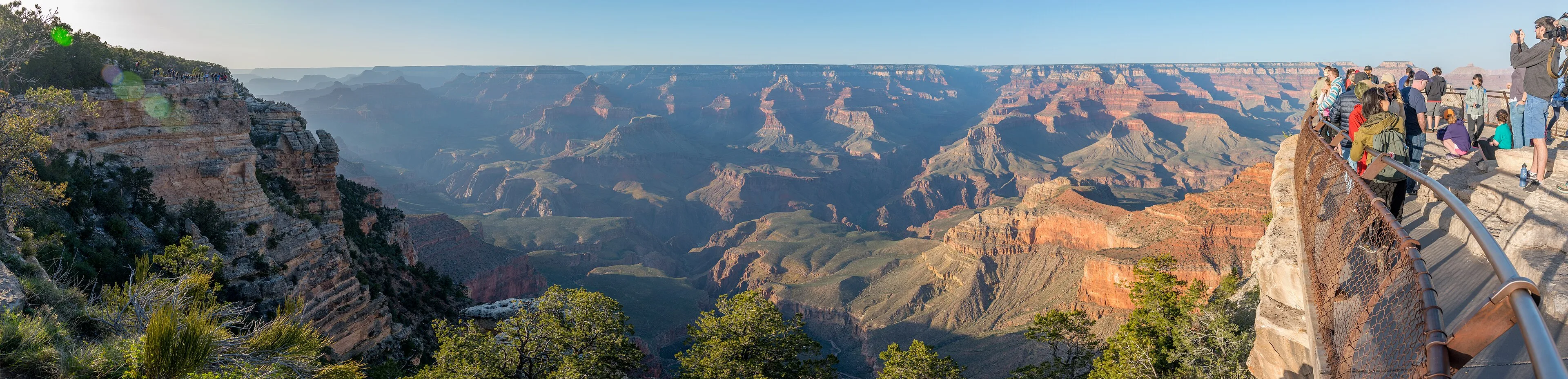
Landscape field guide
Exposed landscapes where temperature, water, shade, route depth, and cultural responsibility determine what is reasonable.
Compare the parksDecision summary
Heat, water, seasonal entrances, cultural landscapes, and exposure.
Start with heat and daylight, not the destination wish list.
Read the field note 02 · ACCESSRim roads, shuttles, and walking depth create very different visits.
Read the field note 03 · RESERVEGateway stays and controlled cultural access may need early action.
Read the field note 04 · FITTravelers who plan conservatively around exposure and water.
Read the field noteRegional field guides
Compare overnight bases and the access rules that make each region different.
Choose a South Rim or Zion Canyon trip by the walking, shuttle, and overnight-base decisions each actually requires.
Plan this regionBuild a culturally respectful Red Centre trip with separate Uluṟu and Kata Tjuṯa walking blocks, a Yulara transport plan and a distinct Watarrka road-and-heat decision.
Plan this regionPark guides
Compare individual parks after deciding which landscape and access pattern fits your trip.
A high desert canyon where rim choice, heat, elevation change, shuttle logistics, and turnaround judgment define the visit.
Official source
Authority guidance can change. Recheck before departure.
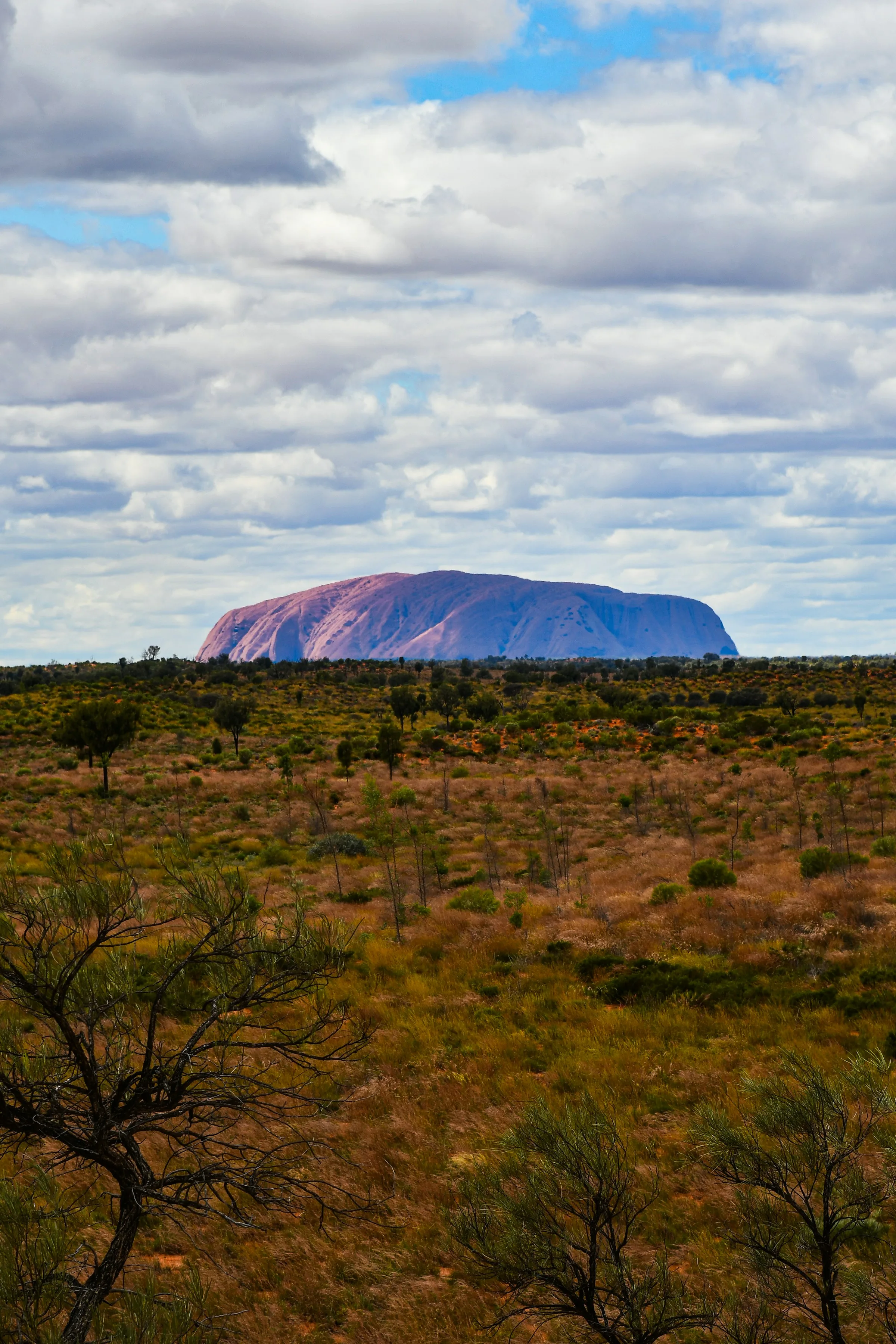
A living Anangu cultural landscape where heat, water, designated routes, and photography protocols shape a respectful visit.
Official source
Authority guidance can change. Recheck before departure.
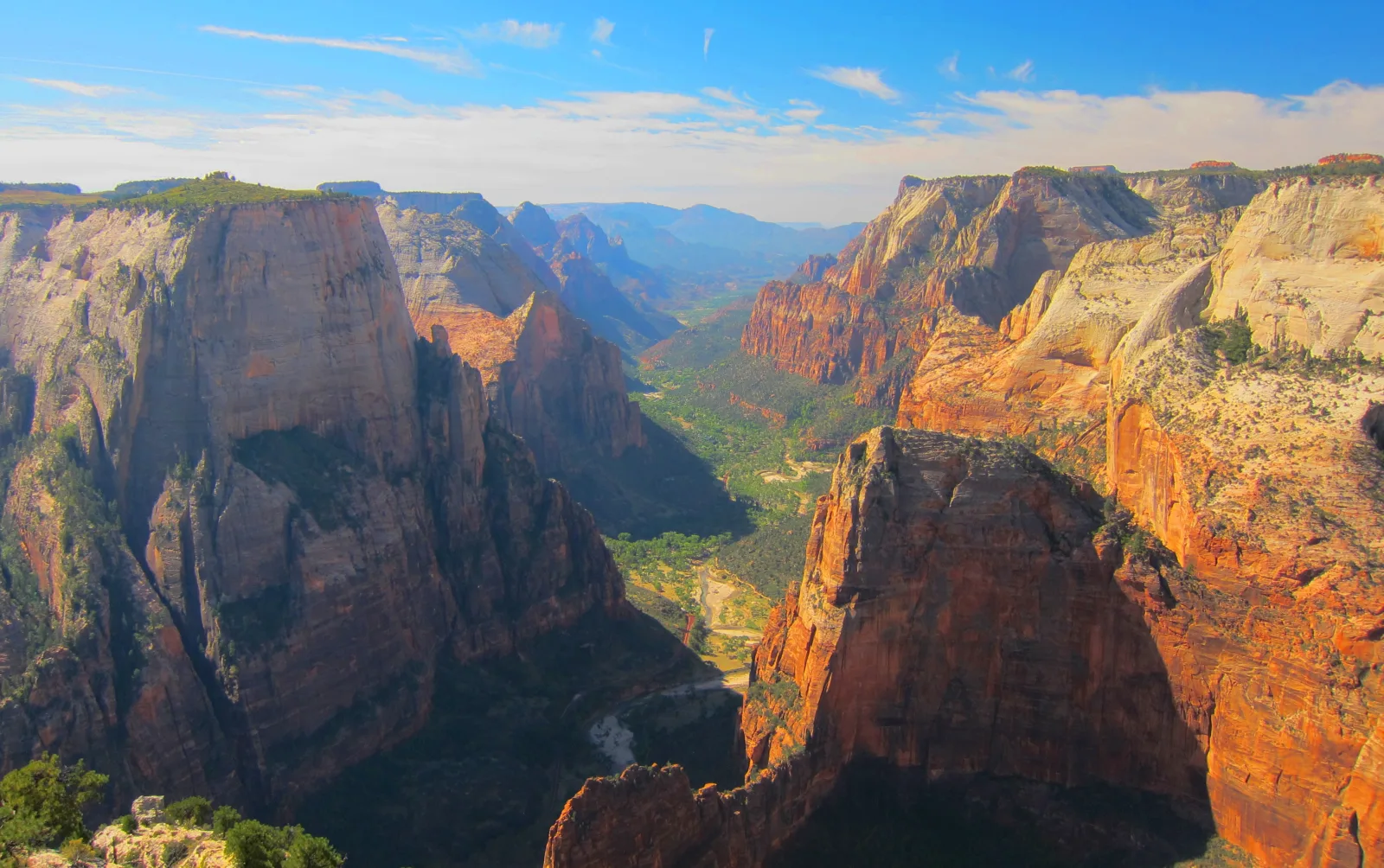
Zion is a canyon-first trip where the visitor center, Springdale pedestrian entrance, park shuttle, hiking permits, and flash-flood conditions determine what a first day can safely include.
Official sources
Authority guidance can change. Recheck before departure.
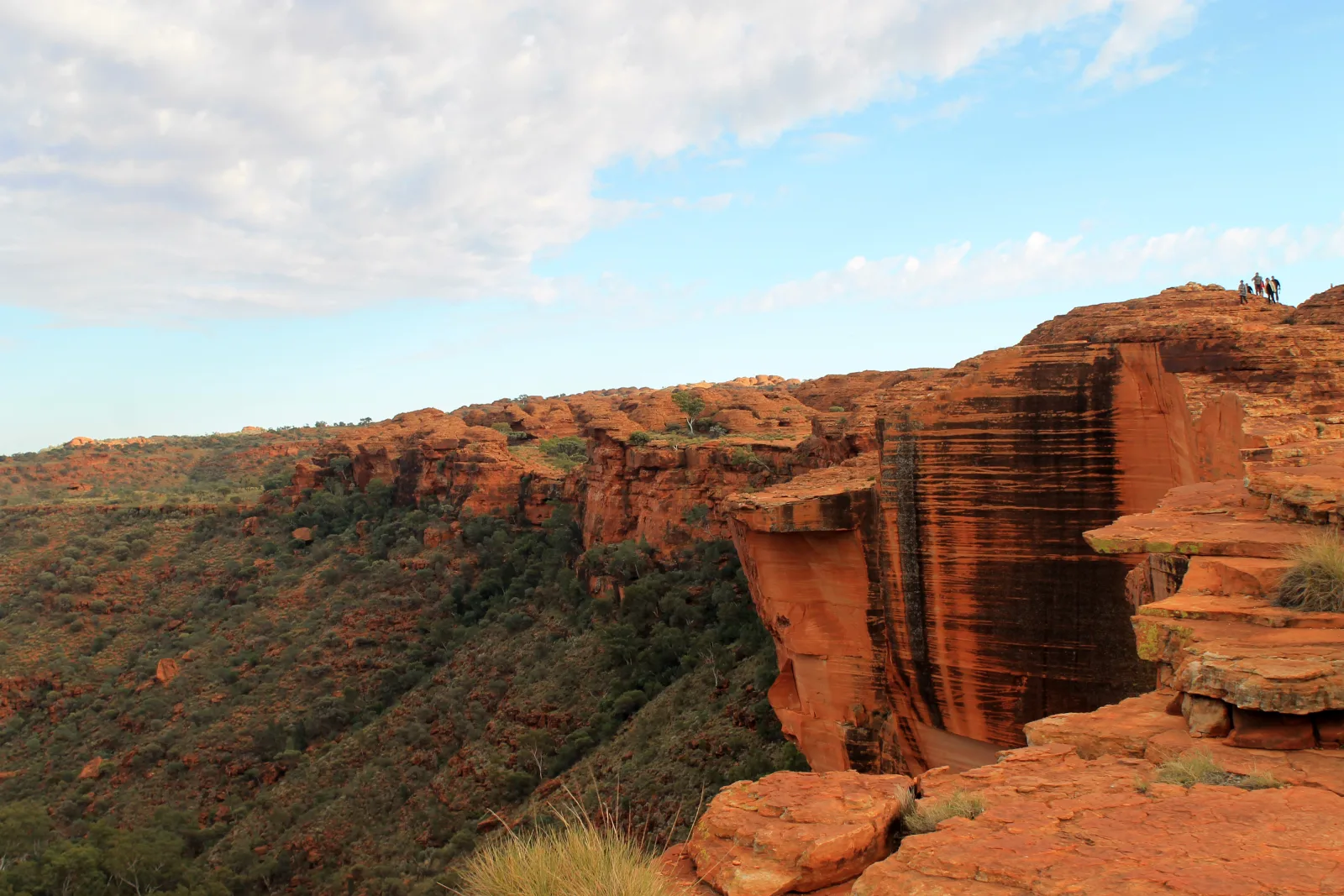
Plan Kings Canyon around the actual walk, forecast heat and road approach. The 6 km clockwise Rim Walk is a steep Grade 4 commitment; the 2.6 km return Kings Creek Walk offers a gentler canyon-floor alternative. Watarrka has its own Northern Territory pass, separate from Uluṟu-Kata Tjuṯa admission.
Official sources
Authority guidance can change. Recheck before departure.
Side by side
Use the matrix to expose the practical differences, then verify changing access with the official source.
| Park | Best window | First visit | Access | Reservations | Effort | Primary caution |
|---|---|---|---|---|---|---|
| Grand Canyon | March–May, September–November | 2–4 days | Rim gateways, shuttle, and foot travel | High | Moderate-high | Heat, dehydration, and underestimated ascent |
| Uluru-Kata Tjuta | May–September | 2–3 days | Gateway stay with road and marked walks | Moderate | Easy-moderate | Extreme heat and exposure |
| Zion | Spring and fall are useful starting points for many walking trips, but heat, winter ice, shuttle dates, flash floods, and river conditions can affect every season. Choose the actual trail and then check its current conditions. | Two or three days allow a main-canyon day, a second walking or scenic objective, and a weather alternative. | Walk from a suitable Springdale lodging location; Springdale town shuttle plus pedestrian entry and Zion Canyon shuttle; Rental car for regional travel, not for driving the canyon road during shuttle season | High | Moderate | Flash floods, summer heat, exposed trails, and false assumptions about shuttle or permit access |
| Watarrka | The cooler April–September period is generally more comfortable for walking. Watarrka operates year-round, but heat management, forecast-based start restrictions and rain-sensitive roads can change a specific day. | One early walk day plus road travel; overnight near the canyon if the approach would otherwise force a late or hot start | Self-drive on the sealed approach after a road-condition check; Operator-led trip with a dated Kings Canyon walk and return plan; Separate 4WD and Mereenie Loop Pass planning for the unsealed western approach | Moderate | Moderate-high | Heat, dehydration, a steep Rim Walk ascent, cliff edges and remote road conditions |
Choose by trip reality
Descending is optional; every metre down must be climbed back in harder conditions.
Early starts reduce heat but do not replace water, shade, or turnaround discipline.
At living cultural landscapes, visitor permission and local guidance come first.
Planning modules
These notes are durable questions, not a live operational feed.
When the park works
A familiar month can mean snow, heat, monsoon, fire restrictions, or a closed road somewhere else. Start with the park authority, then shape the trip.
Distance is part of the plan
Wild animals are never promised and should never be approached. Learn the local rules, carry the required equipment, and change course when conditions do.
How the day begins
Entry, transport, accommodation, and guided access are separate constraints. Identify the scarce piece before committing to flights or a long drive.
Grand CanyonUse established trails and respect the canyon as the homeland of associated Tribal communities.
Uluru-Kata TjutaFollow Anangu requests, remain on visitor routes, and do not photograph marked sensitive sites.
ZionStay on established paths, follow river and trail closures, leave cultural and natural resources in place, and avoid turning a popular trail into a reason to ignore current NPS controls.
WatarrkaRemain on marked tracks, do not enter the protected waterhole, respect cultural instructions and carry every item of waste out.
Related first-visit guidance
No sighting or access condition is guaranteed. Keep distance, follow local instructions, and recheck every authority before departure.
Keep food secured and give elk and other wildlife room around developed areas.
Primary caution: Heat, dehydration, and underestimated ascent
Observe desert wildlife quietly and do not feed animals around visitor areas.
Primary caution: Extreme heat and exposure
Wildlife is part of the canyon ecosystem. Observe from a distance, never feed animals, and secure food; the immediate first-visit safety decisions are often weather, water, and exposed trails.
Primary caution: Flash floods, summer heat, exposed trails, and false assumptions about shuttle or permit access
Observe desert birds and other animals without feeding, approaching or leaving food behind.
Primary caution: Heat, dehydration, a steep Rim Walk ascent, cliff edges and remote road conditions
Continue comparing
Move sideways when the access model, effort, or season matters more than the original park idea.
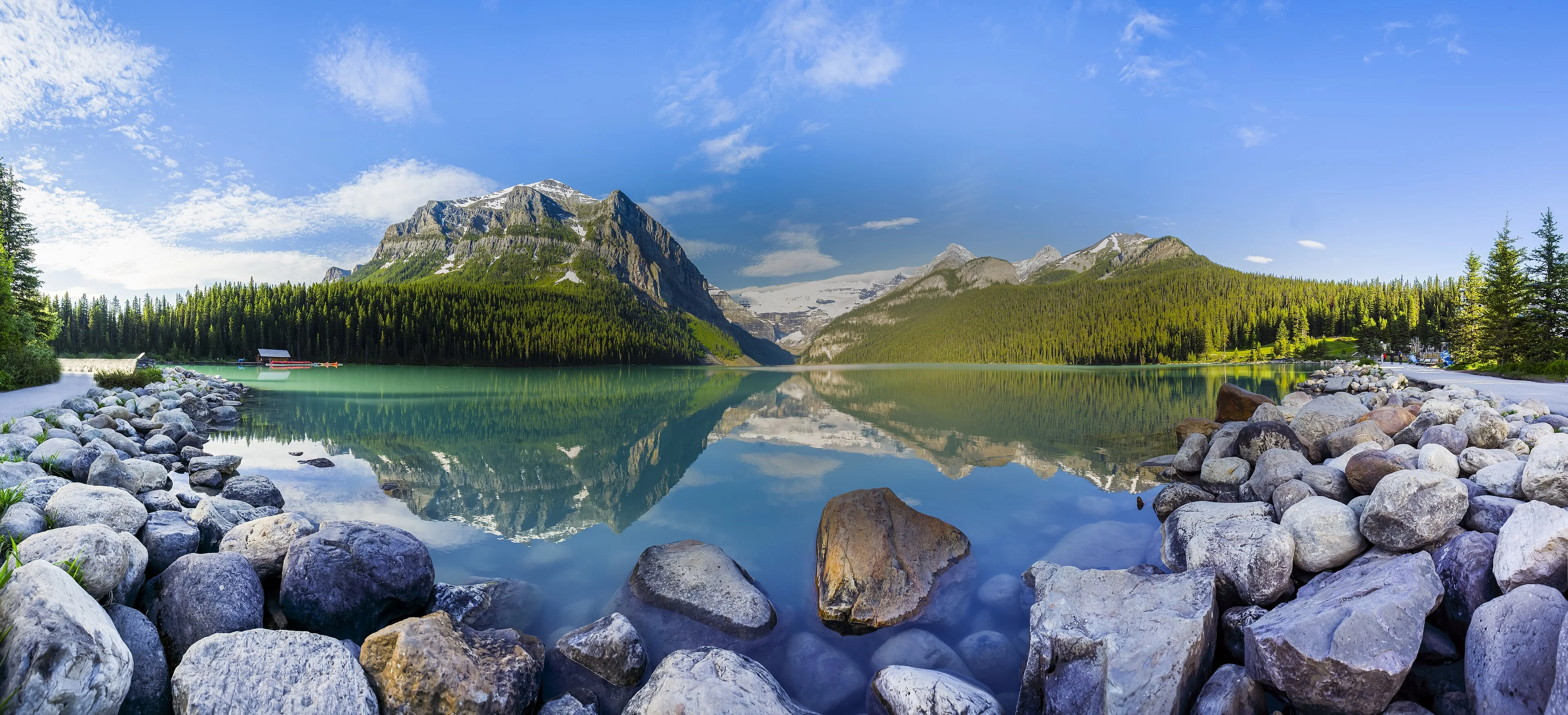
Altitude, weather, roads, shuttles, hiking seasons, and multi-day pacing.
Open field guide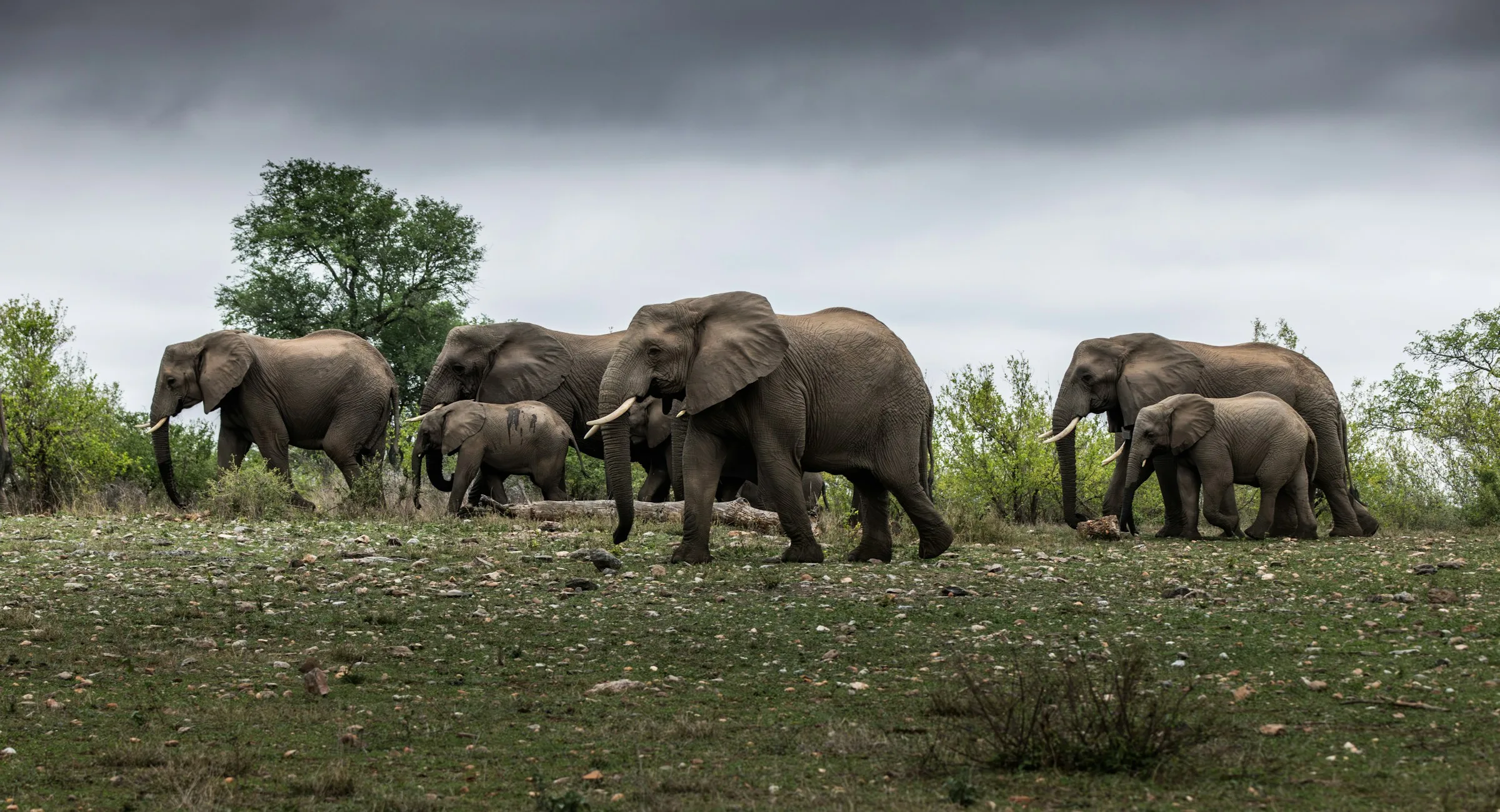
Self-drive versus guided visits, seasons, safe distance, and ethical viewing.
Open field guide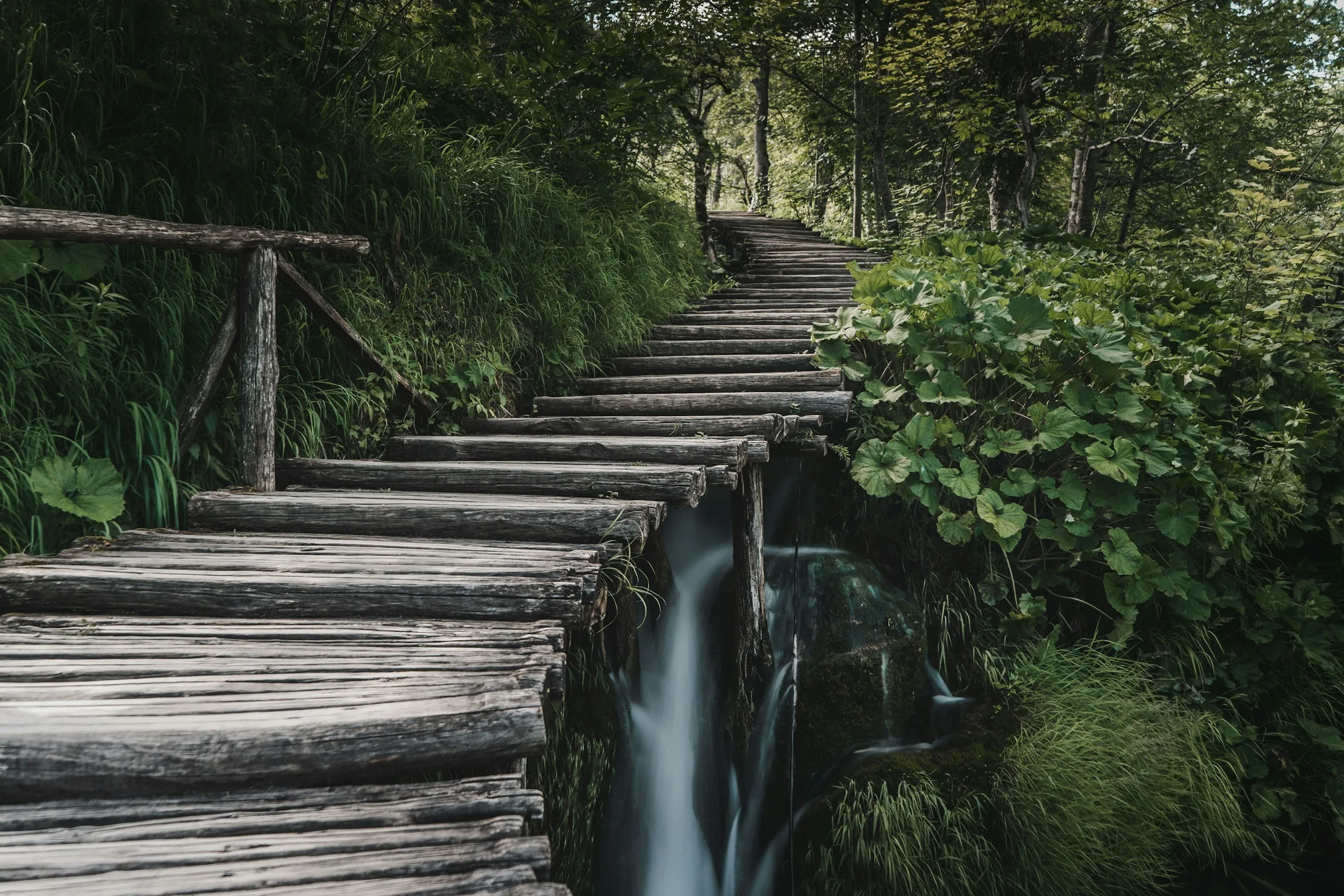
Entrances, timed access, shuttles, walking, rain, and crowd pressure.
Open field guide