A deliberate rim choice
United States · LIFE LISTFirst-visit notes
Life List · First-visit field guide
Grand Canyon National Park
A first Grand Canyon trip is mainly a rim choice and effort-management decision. The South Rim is the more dependable first-visit base, while the North Rim is seasonal and more remote; any hike below the rim multiplies heat, elevation, water, and return-climb risk.
Why it belongs on the listWhy it belongs on your Life List
What makes this place worth a lifetime detour
Life List status is about an experience that is difficult to substitute, not simply popularity.
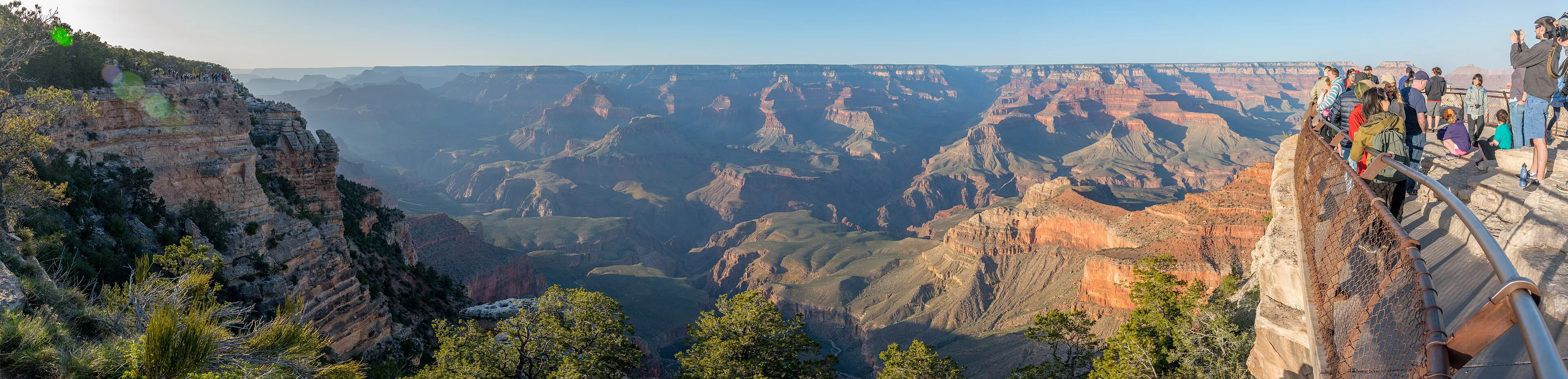
Grand Canyon is a Life List landmark because its scale cannot be understood from photographs. The essential experience is the relationship between rim, depth, heat, geology, and human effort—not simply checking off a viewpoint.
Signature experiences
The experiences that define this park
These are representative experiences, not a promise that every activity will be available under current conditions.
- 01
Walk several South Rim viewpoints at different times of day
- 02
Descend below the rim only far enough to understand the canyon’s vertical scale while keeping a conservative turnaround
- 03
Use the shuttle and rim trail to experience the landscape without unnecessary driving
- 04
Watch light change across the canyon at sunrise or sunset
What counts as a complete first visit
A satisfying first completion, not an exhaustive conquest
Use this as a collection-minded benchmark while allowing weather, access, safety, and local rules to change the exact itinerary.
A full South Rim mobility plan
One safe below-rim or rim-walk experience
A current heat, water, and trail-status check before hiking
First-visit verdict
Decide the shape of the trip before the bookings
This page is durable planning context, not a live conditions feed. Recheck every authority before departure.
Best planning window
March through May and September through November are often easier first-visit periods for South Rim sightseeing and moderate hiking, but rim weather, inner-canyon heat, North Rim seasonality, trail conditions, and water availability must be checked separately.
First visit
2–4 days for a South Rim-centered first visit; the North Rim should be planned as a separate seasonal objective rather than added casually
Gateway logic
The South Rim is the practical default for many first visits because it has broader year-round access, lodging, parking, and shuttle infrastructure. The North Rim is a separate seasonal trip decision rather than a quick alternate viewpoint across the canyon.
Reservation pressure
High
Effort
Moderate-high
Primary caution
Extreme heat below the rim, dehydration, steep elevation loss followed by a harder ascent, exposed terrain, changing water availability, and overestimating what fits into one day
Trip fit
Who this park suits
Match the access model and pace to the travelers, not only the scenery.
Good fit
- First-time scenic visitors
- Families staying on or near the South Rim
- Road trippers
- Day hikers who choose conservative turnaround points
Less suitable when
- Travelers treating rim-to-river-and-back as an ordinary summer day hike
- Visitors assuming South and North Rims are close by road
- Trips that depend on current inner-canyon water availability without rechecking
Transport fit
- Rental car or road-trip vehicle to reach the rim
- South Rim shuttle system after parking
- Guided transport where it reduces driving or trailhead logistics
Priority order
Build the first visit around these decisions
Keep the plan credible before adding optional stops.
- 01
Choose South Rim or North Rim before booking; do not treat them as two nearby sides of the same sightseeing loop.
- 02
For a first visit, build the itinerary around rim viewpoints and one realistic hiking objective before considering deeper canyon mileage.
- 03
Treat every downhill step as elevation that must be regained, usually in hotter conditions later in the day.
- 04
Check current drinking-water availability and Key Hiking Messages before any below-rim hike.
Planning decisions
Make the high-friction choices explicit
These are the decisions most likely to change the shape of a first visit.
Choose the rim before choosing the itinerary
For most first-time visitors, the South Rim is the more robust base because it has broader access and services. The North Rim has a shorter season and, in 2026, is operating with a recovery-focused and more limited service model after the Dragon Bravo Fire.
- Use the South Rim as the default first-trip assumption unless the North Rim experience is a deliberate priority.
- Treat North Rim operating dates and services as current conditions that require a fresh status check.
- Do not plan a casual same-day transfer between rims; road distance is substantial.
Park once and use the South Rim shuttle system
The South Rim shuttle network connects visitor parking, lodges, trailheads, and viewpoints, and some corridors restrict private vehicles seasonally. A first visit is usually easier when parking and shuttle strategy are planned together.
- Use the Visitor Center and village parking network as the mobility base rather than hunting for parking at every viewpoint.
- Check current seasonal shuttle routes and hours before assigning sunrise, sunset, or trailhead connections.
- Treat private-vehicle restrictions on scenic roads as current operating rules, not inconveniences to route around.
The climb out is the real hiking commitment
Grand Canyon trails descend before they become difficult. NPS warns there are no easy trails into or out of the canyon and specifically advises against attempting the river and back in one day, especially from May through September when inner-canyon heat can be life-threatening.
- Set a turnaround time and elevation limit before descending.
- Avoid strenuous inner-canyon hiking during the hottest part of summer days and follow current NPS heat guidance.
- Choose a shorter below-rim hike if any member of the group cannot comfortably regain the elevation.
Water availability is a live condition, not an itinerary constant
Grand Canyon water infrastructure can experience breaks and restrictions. NPS directs hikers to current Key Hiking Messages for water status, trail conditions, and heat risk, so a guide should never promise that a particular inner-canyon water point will be working.
- Check current drinking-water availability immediately before the hike.
- Carry enough water and a contingency appropriate to the planned route and current NPS guidance.
- If water status changes, shorten or change the hike rather than relying on an older itinerary.
Common mistakes
What makes a first visit harder than it needs to be
Attempting a rim-to-river-and-back day hike in summer because the downhill portion felt easy.
Planning both rims as if they can be connected by a short drive.
Relying on a saved water-source list when inner-canyon pipelines and taps can change status.
Driving repeatedly around the South Rim instead of using the shuttle system where it is the better access tool.
Wildlife, safety, and care
Leave certainty out of the plan
Weather, wildlife, roads, closures, reservations, and local operating rules can change.
Wildlife and safety
Wildlife is not predictable and should never determine an unsafe roadside or trail decision. Give elk and other animals space, secure food, and follow current NPS wildlife instructions around developed areas and trails.
Conservation
Stay on established trails and viewpoints, respect Tribal cultural connections to the canyon, use shuttles where they reduce congestion, and let current trail, water, fire, heat, and recovery restrictions override a saved itinerary.
Before departure
Recheck what can change
Do not rely on a saved itinerary for operating conditions.
- 01
Grand Canyon current operations and alerts for the selected rim
- 02
South Rim shuttle routes, seasonal road restrictions, and parking guidance
- 03
North Rim current status and service availability if visiting that rim
- 04
Key Hiking Messages for trail conditions, drinking-water availability, heat risk, and weather
- 05
Current backcountry permit requirements for any overnight below-rim trip
- 06
Current fire, weather, monsoon, and excessive-heat notices before hiking
Related decisions
Use the park in a real trip decision
These guides compare access, pacing, transport, or trip structure without duplicating this park-level guide.
Why the South Rim Is the Better Default for a First Grand Canyon Trip
Use the South Rim as the default first-visit base unless the North Rim is a deliberate seasonal objective, then build the trip around shuttle mobility and conservative below-rim hiking.
Open decision guideStay Inside Grand Canyon, in Tusayan, or in Williams?
Choose a South Rim base by how much dawn, dusk, and shuttle time you need, not by the apparent distance on a booking map.
Open decision guideGrand Canyon or Zion for a First Southwest Park Trip?
Compare a rim-first canyon experience with a shuttle-and-trail canyon day before choosing which park deserves the longer stay.
Open decision guideKeep comparing
Canyons & Deserts
Heat, water, seasonal entrances, cultural landscapes, and exposure.
Regional field guide
American Southwest: Grand Canyon and Zion
Choose a South Rim or Zion Canyon trip by the walking, shuttle, and overnight-base decisions each actually requires.