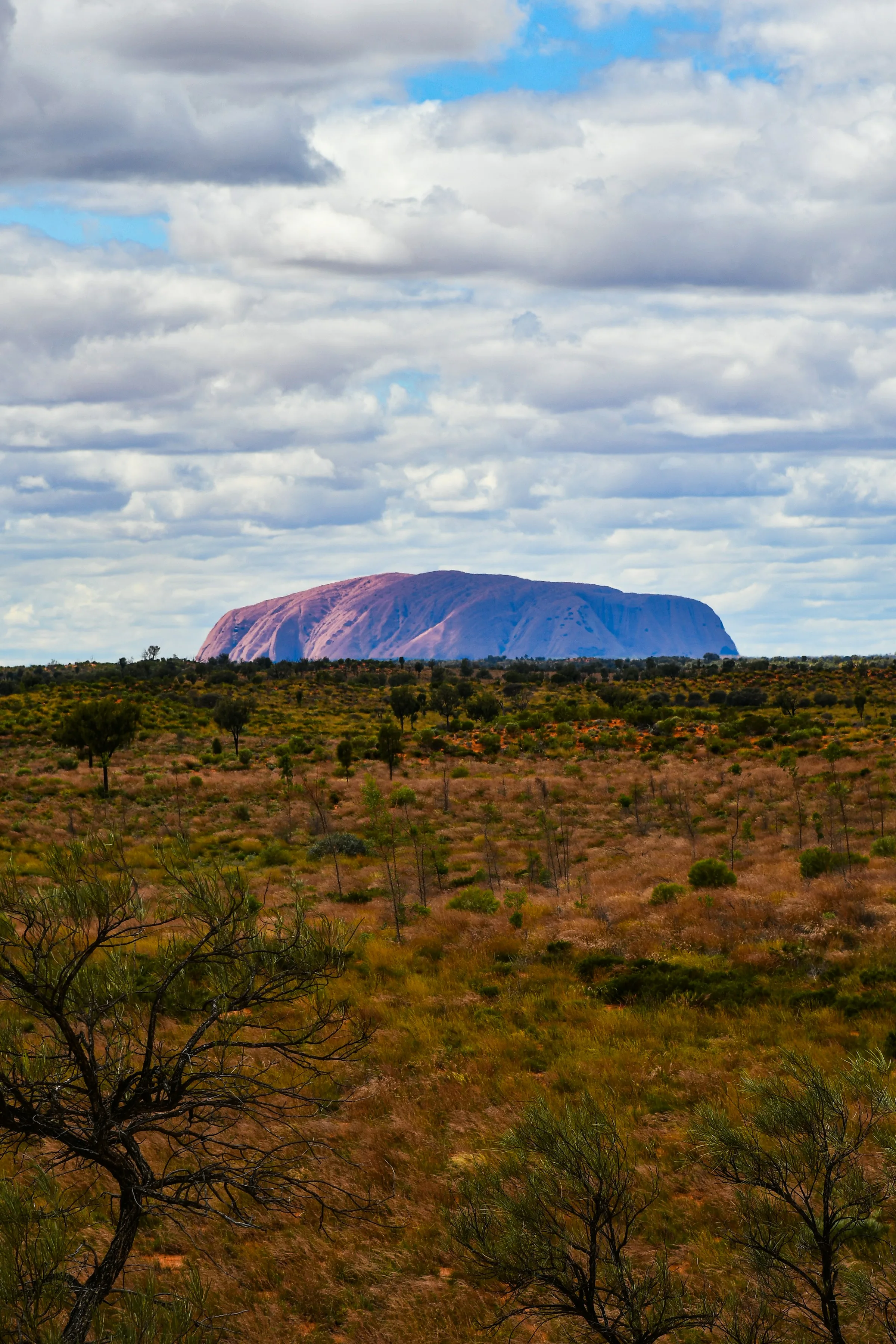
Both Uluru and Kata Tjuta included in the itinerary
Australia · LIFE LISTFirst-visit notes
Life List · First-visit field guide
Uluru-Kata Tjuta National Park
A first Uluṟu-Kata Tjuṯa visit should begin with Aṉangu cultural protocol and heat management, then separate Uluṟu and Kata Tjuṯa walks into cooler-hour days while treating photography restrictions and cultural closures as part of the route itself.
Why it belongs on the listWhy it belongs on your Life List
What makes this place worth a lifetime detour
Life List status is about an experience that is difficult to substitute, not simply popularity.
Uluru-Kata Tjuta belongs on a Life List not because Uluru is a famous monolith, but because this is a living Anangu cultural landscape where geology, Tjukurpa, desert ecology, and visitor behavior are inseparable. A meaningful visit is based on understanding and respect, not conquest.
Signature experiences
The experiences that define this park
These are representative experiences, not a promise that every activity will be available under current conditions.
- 01
Experience Uluru from an approved viewpoint as light changes across the rock
- 02
Walk a permitted base route or section that reveals waterholes, caves, ecology, and cultural interpretation
- 03
Visit Kata Tjuta as a distinct landscape rather than treating it as an optional extra
- 04
Use Anangu-led or official interpretation to understand Tjukurpa and why some places and images are culturally restricted
- 05
Experience the desert in cooler hours when walking and observation are more appropriate
What counts as a complete first visit
A satisfying first completion, not an exhaustive conquest
Use this as a collection-minded benchmark while allowing weather, access, safety, and local rules to change the exact itinerary.
At least one substantial permitted walk
A cultural interpretation experience
Respect for current photography and sensitive-site rules
No framing of climbing or access to restricted places as an achievement
First-visit verdict
Decide the shape of the trip before the bookings
This page is durable planning context, not a live conditions feed. Recheck every authority before departure.
Best planning window
May through September is generally easier for first-visit walking, while heat, cultural events, rain, fire, track repairs, and temporary closures can alter access year-round.
First visit
2–3 days for the Cultural Centre, Uluṟu base-area walks, Kata Tjuṯa, and sunrise or sunset viewpoints without rushing the hottest hours
Gateway logic
Yulara is the practical accommodation and service gateway. The Cultural Centre should be an early stop before building the walking and photography plan.
Reservation pressure
Moderate
Effort
Easy-moderate
Primary caution
Extreme desert heat, dehydration, exposed walking, and ignoring culturally sensitive or temporarily closed areas
Trip fit
Who this park suits
Match the access model and pace to the travelers, not only the scenery.
Good fit
- Cultural landscape visitors
- Scenic road travelers
- Families who can plan cooler hours
- Photographers willing to respect no-photo sites
Less suitable when
- Midday-heavy summer walking plans
- Visitors treating sacred-site photography limits as optional
- Trips that assume cultural closures cannot change access
Transport fit
- Rental car from Yulara
- Tour or guided cultural experience
- Walking only on designated visitor routes
Priority order
Build the first visit around these decisions
Keep the plan credible before adding optional stops.
- 01
Start with the Cultural Centre and Aṉangu context.
- 02
Schedule meaningful walks in cooler hours and carry enough water.
- 03
Plan Uluṟu and Kata Tjuṯa as separate geographic experiences.
- 04
Treat no-photo zones and cultural closures as hard visitor rules.
Planning decisions
Make the high-friction choices explicit
These are the decisions most likely to change the shape of a first visit.
Culture comes before the viewpoint list
Uluṟu-Kata Tjuṯa is a living Aṉangu cultural landscape. Visitor behavior, routes, photography, and temporary closures can reflect cultural responsibilities.
- Use the Cultural Centre early in the visit.
- Follow signage and ranger instructions around culturally sensitive places.
- Respect cultural closures immediately, without searching for unofficial access.
Cooler hours determine the walking plan
Desert heat and dehydration are core safety constraints, so walking plans should be shaped around temperature rather than sightseeing density.
- Carry generous water and sun protection.
- Move longer walks to cooler morning hours.
- Shorten or cancel exposed walking when current heat guidance requires it.
Give Uluṟu and Kata Tjuṯa separate time
The two major landscapes have different walks, cultural context, road access, and exposure. A first visit is stronger when each has its own planning block.
- Avoid turning both areas into one rushed photo loop.
- Check the condition of selected walks before departure.
- Use designated viewpoints and marked tracks.
Photography rules are part of route planning
Private photography is generally welcome, but marked sacred and culturally sensitive sites are no-photo areas and commercial use has additional permit requirements.
- Read signs before raising the camera.
- Do not publish or capture marked sensitive sites.
- Check permit requirements separately for commercial or media use.
Common mistakes
What makes a first visit harder than it needs to be
Building a midday walking schedule in hot conditions.
Photographing sacred or culturally sensitive sites despite signage.
Treating a temporary cultural or weather closure as something to work around informally.
Rushing both Uluṟu and Kata Tjuṯa into one attraction-counting half-day.
Wildlife, safety, and care
Leave certainty out of the plan
Weather, wildlife, roads, closures, reservations, and local operating rules can change.
Wildlife and safety
Observe desert wildlife quietly, never feed animals, and stay on marked visitor routes to avoid disturbing habitat.
Conservation
Follow Aṉangu requests, remain on marked routes, protect sensitive sites, carry waste out, and let current cultural, heat, fire, and track instructions override a saved plan.
Before departure
Recheck what can change
Do not rely on a saved itinerary for operating conditions.
- 01
Parks Australia current park notices
- 02
Temporary cultural closures or funeral closures
- 03
Track repairs, flooding, or diversions
- 04
Current heat and fire guidance
- 05
Park hours and entry-pass requirements
- 06
Photography and no-photo guidance for planned locations
Related decisions
Use the park in a real trip decision
These guides compare access, pacing, transport, or trip structure without duplicating this park-level guide.
How to Pace Uluṟu and Kata Tjuṯa on a First Visit
Choose a cultural introduction and one substantial walk per cooler-hour block, instead of treating Uluṟu and Kata Tjuṯa as one continuous photo stop.
Open decision guideStay in Yulara, Take a Tour or Rent a Car for Uluṟu?
Separate the free resort-area shuttle from paid park access, then choose a Yulara base and transport that reaches the actual walks at the right hour.
Open decision guideKeep comparing
Canyons & Deserts
Heat, water, seasonal entrances, cultural landscapes, and exposure.
Regional field guide
Australian Outback Parks: Uluṟu, Kata Tjuṯa and Watarrka
Build a culturally respectful Red Centre trip with separate Uluṟu and Kata Tjuṯa walking blocks, a Yulara transport plan and a distinct Watarrka road-and-heat decision.