A chosen corridor and matching entry plan
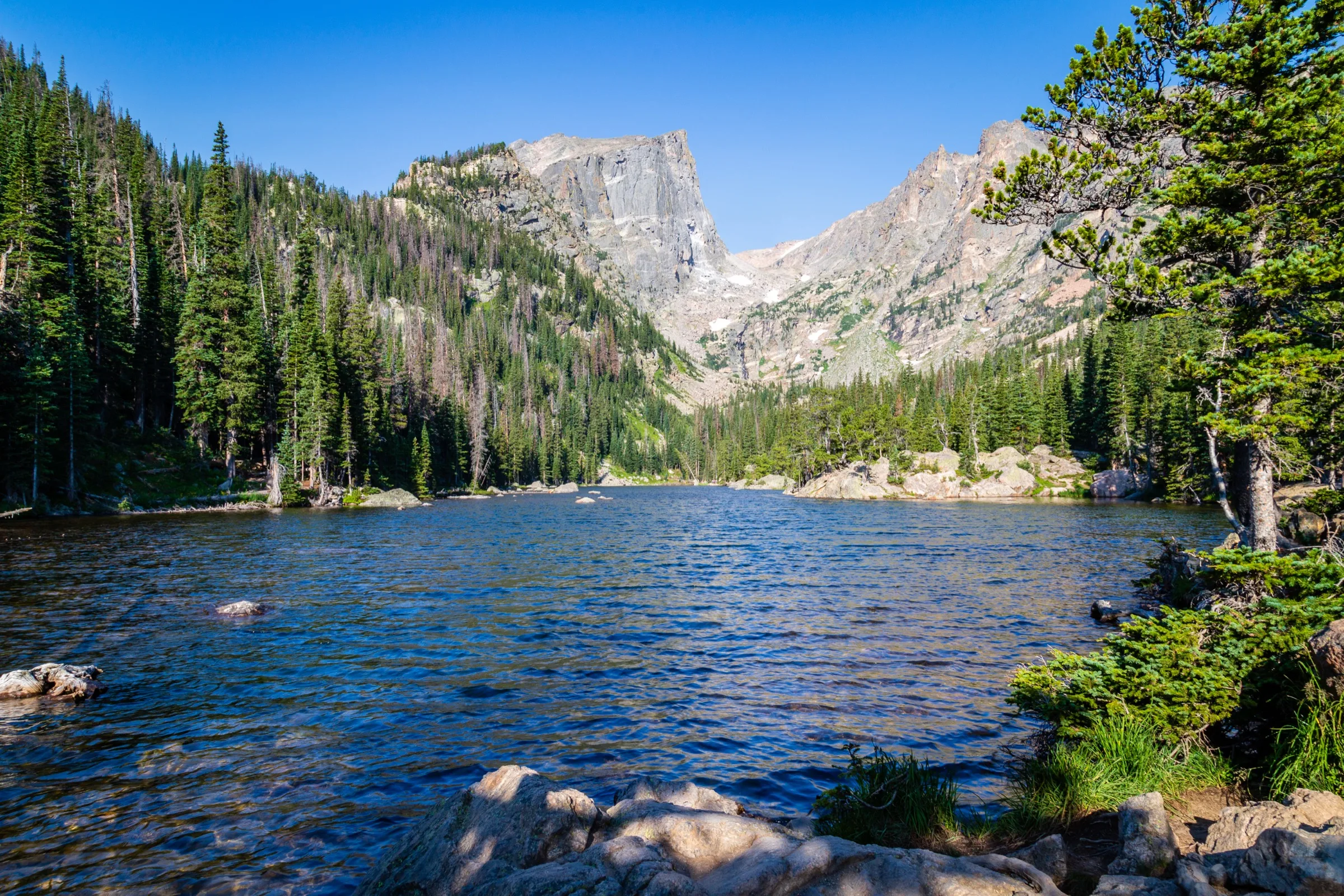
United States · LIFE LISTFirst-visit notes
Life List · First-visit field guide
Rocky Mountain National Park
Choose a Bear Lake-area walking day, a Trail Ridge Road landscape day, or a west-side valley day before choosing an overnight base. These objectives use different access corridors, and current NPS entry and road guidance decides what is feasible.
Why it belongs on the listWhy it belongs on your Life List
What makes this place worth a lifetime detour
Life List status is about an experience that is difficult to substitute, not simply popularity.
Rocky Mountain belongs on a Life List because the visitor can move from forest and lakes to tundra and continental-divide views while feeling how altitude changes the journey. The park is more than one famous trailhead.
Signature experiences
The experiences that define this park
These are representative experiences, not a promise that every activity will be available under current conditions.
- 01
Walk a lake or forest trail at a suitable effort
- 02
Experience a higher landscape only when weather and road access allow
- 03
Understand the difference between east-side and west-side valleys
- 04
Observe alpine and wildlife habitats without leaving protected routes
What counts as a complete first visit
A satisfying first completion, not an exhaustive conquest
Use this as a collection-minded benchmark while allowing weather, access, safety, and local rules to change the exact itinerary.
One unhurried mountain walk or scenic route
An altitude and weather alternative
Current NPS road, shuttle, and timed-entry checks
First-visit verdict
Decide the shape of the trip before the bookings
This page is durable planning context, not a live conditions feed. Recheck every authority before departure.
Best planning window
Select a corridor and activity, then use NPS timed-entry, road, shuttle, trail, and weather pages for the travel date. Do not infer access from a season label.
First visit
One focused corridor day is a workable introduction; separate days let a visitor experience the east side and a road or west-side landscape without stacking them.
Gateway logic
Estes Park serves the east-side Bear Lake and Beaver Meadows approach; Grand Lake serves the west-side Kawuneeche approach. A cross-park plan depends on current Trail Ridge Road status.
Reservation pressure
High
Effort
Moderate
Primary caution
Altitude, exposed mountain weather, road closures, and missed corridor-specific entry planning
Trip fit
Who this park suits
Match the access model and pace to the travelers, not only the scenery.
Good fit
- First-time mountain visitors who can choose one corridor per day
- Day hikers able to adjust effort to altitude and weather
- Scenic travelers who value a road or valley day as much as a summit
Less suitable when
- A plan that assumes Bear Lake and Trail Ridge use identical entry permissions
- Cross-park lodging transfers without a current road-status check
- High-altitude hiking with no acclimation or lower-effort fallback
Transport fit
- Self-drive for road and west-side choices
- Park shuttle or verified public transport where the selected corridor and date support it
- Walking from a named trailhead after checking access and return
Priority order
Build the first visit around these decisions
Keep the plan credible before adding optional stops.
- 01
Decide whether Bear Lake walking, Trail Ridge scenery, or the west-side valley is the main objective.
- 02
Read the current NPS timed-entry page for the exact corridor and date before arranging the day.
- 03
Choose Estes Park or Grand Lake by planned park side, not by a generic Rocky Mountain label.
- 04
Keep a lower-altitude, lower-exposure alternative if weather or symptoms change the day.
Planning decisions
Make the high-friction choices explicit
These are the decisions most likely to change the shape of a first visit.
Choose a corridor before choosing a trail
Bear Lake Road, Trail Ridge Road, and the west-side valley serve distinct experiences. A first day works better when it is built around one of them.
- Bear Lake is a walking-and-trailhead choice with its own access and shuttle checks.
- Trail Ridge is a high road and weather decision, not a guaranteed cross-park connection.
- The west side is a separate base-and-valley choice when the route fits the trip.
Separate admission, timed entry, and trail access
NPS publishes current entry options and the areas each covers. A saved screenshot can misstate both the dates and the corridor.
- Open the NPS timed-entry page for the travel date and intended corridor.
- Confirm park admission and any applicable pass separately.
- A shuttle or parking plan does not replace the current entry instructions.
Stay on the side you intend to use
Estes Park and Grand Lake serve different sides of the park. Their practical relationship changes if the high cross-park road is not available.
- Use Estes Park for an east-side trail-focused visit.
- Use Grand Lake for a west-side valley-focused visit.
- Check road status before using the two towns as sequential bases.
Keep altitude and weather in the decision
Mountain exposure can change quickly. A scenic road stop, lakeshore walk, and exposed trail place different demands on the group.
- Choose effort conservatively and set a turnaround point.
- Carry layers, water, sun protection, and a weather-aware alternate objective.
- Follow NPS guidance and descend if altitude symptoms become a concern.
Common mistakes
What makes a first visit harder than it needs to be
Assuming a park entrance fee and a corridor-specific reservation are the same thing.
Relying on a saved Trail Ridge itinerary without checking the road status.
Treating the Bear Lake shuttle as transport to every park area.
Ignoring altitude, turnaround, and weather when choosing a high trail.
Wildlife, safety, and care
Leave certainty out of the plan
Weather, wildlife, roads, closures, reservations, and local operating rules can change.
Wildlife and safety
Elk and other wildlife may be present around roads and trails. Follow current NPS viewing distance and food-storage advice; never use a close approach as a photo strategy.
Conservation
Stay on trails through alpine tundra and lakeshores, use legal parking, secure food, and respect temporary wildlife and restoration closures.
Useful next steps
Use the right official or booking doorway
Official rules and availability are separate from a general accommodation search.
Check Rocky Mountain timed entry
Confirm current dates, entry options, and corridor coverage with NPS.
Open official siteReview park camping and lodging guidance
Confirm in-park camping and nearby lodging guidance before choosing a gateway.
Open official siteSearch an Estes Park or Grand Lake stay
General accommodation search after choosing the correct park side; not a property endorsement.
Open platformBefore departure
Recheck what can change
Do not rely on a saved itinerary for operating conditions.
- 01
NPS timed-entry options for the exact corridor and date
- 02
Entrance-fee and pass instructions
- 03
Current Trail Ridge and other road status
- 04
Bear Lake shuttle and trailhead access
- 05
Weather, air quality, and trail notices
Related decisions
Use the park in a real trip decision
These guides compare access, pacing, transport, or trip structure without duplicating this park-level guide.
Bear Lake or Trail Ridge Road: Choose a Rocky Mountain Park Day
Compare a trailhead-and-lake day with a high-road landscape day, then check the NPS entry option and current access for the chosen corridor.
Open decision guideEstes Park or Grand Lake for Rocky Mountain National Park?
Choose the east or west gateway by the park day you intend to take, and never treat the high road as a guaranteed shortcut between beds.
Open decision guideKeep comparing
Mountains & Glaciers
Altitude, weather, roads, shuttles, hiking seasons, and multi-day pacing.
Regional field guide
Colorado Rockies: Rocky Mountain National Park
Choose a Bear Lake walking day, a Trail Ridge landscape day, or a west-side valley day before selecting Estes Park or Grand Lake and checking current NPS access.