A deliberate park-area choice
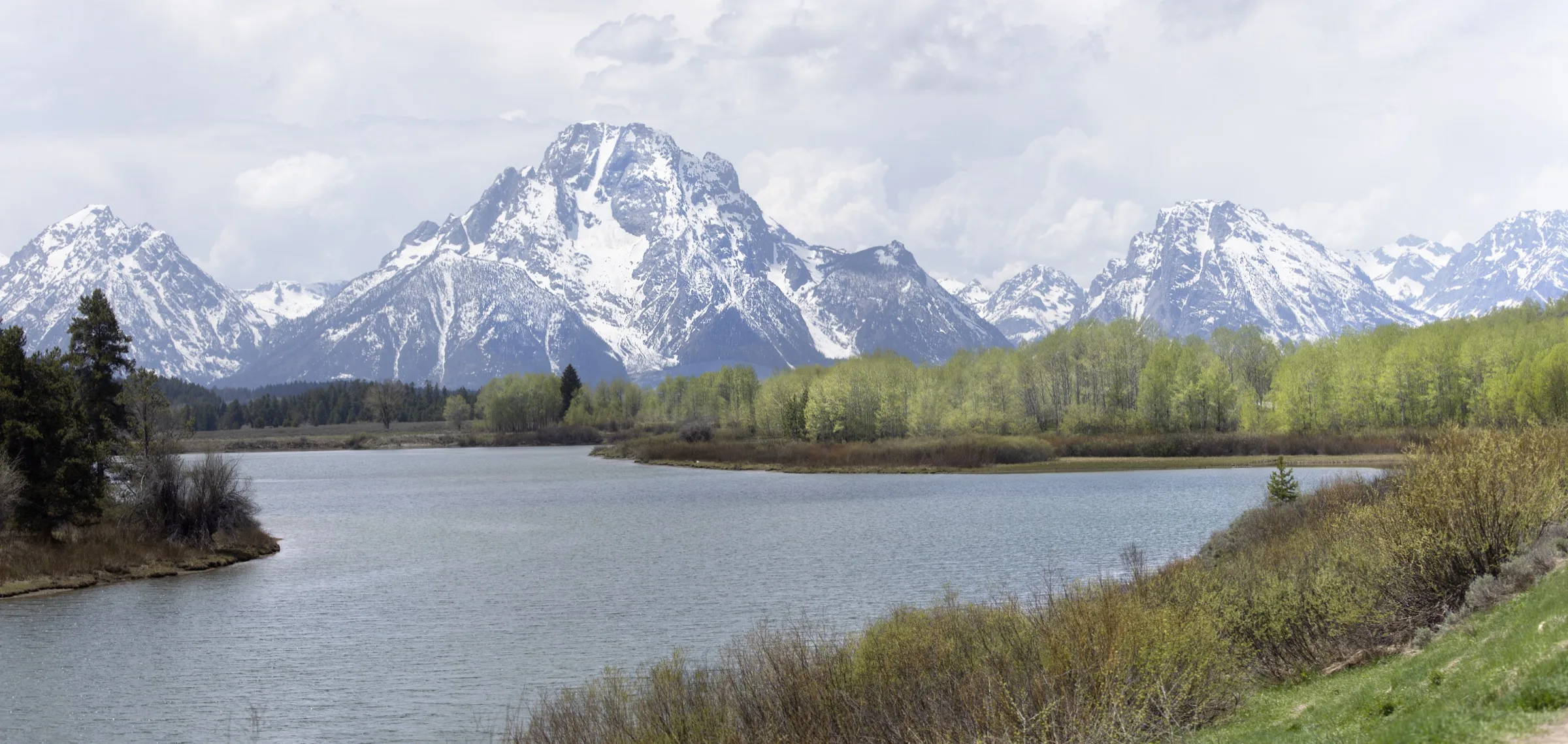
United States · LIFE LISTFirst-visit notes
Life List · First-visit field guide
Grand Teton National Park
A Teton first visit works best when you choose a lake-and-trail day, a scenic valley day, or a wildlife-aware road day before deciding where to sleep. Yellowstone is nearby but has its own entry, roads, and overnight plan.
Why it belongs on the listWhy it belongs on your Life List
What makes this place worth a lifetime detour
Life List status is about an experience that is difficult to substitute, not simply popularity.
Grand Teton belongs on a Life List because its abrupt mountain front, lakes, river bends, and wildlife-rich valley can be experienced at several scales. A complete visit is not a single roadside photograph of the peaks.
Signature experiences
The experiences that define this park
These are representative experiences, not a promise that every activity will be available under current conditions.
- 01
See the range from a valley viewpoint
- 02
Spend time beside a lake or on an appropriate trail
- 03
Notice the river-and-wetland habitat without approaching wildlife
- 04
Choose a separate northern or southern park area when the trip allows
What counts as a complete first visit
A satisfying first completion, not an exhaustive conquest
Use this as a collection-minded benchmark while allowing weather, access, safety, and local rules to change the exact itinerary.
One meaningful walk or trail suited to conditions
One wider valley or water landscape
Official trail, wildlife, and road checks before departure
First-visit verdict
Decide the shape of the trip before the bookings
This page is durable planning context, not a live conditions feed. Recheck every authority before departure.
Best planning window
Choose the landscape and activity first, then check the NPS road, trail, weather, and visitor-service pages for the travel date. Mountain conditions vary by elevation.
First visit
One focused park day can introduce the range; separate days make room for lake walking, valley scenery, and a northern park area without rushing.
Gateway logic
Jackson and the Moose approach suit southern park days; the Colter Bay and Jackson Lake area suits northern park days and a Yellowstone connection. Compare actual routes, not the closest town name.
Reservation pressure
High
Effort
Easy-moderate
Primary caution
Rapid mountain-weather changes, cold water, wildlife proximity, and overcommitting to a trail or long park transfer
Trip fit
Who this park suits
Match the access model and pace to the travelers, not only the scenery.
Good fit
- Scenic travelers who want a mountain landscape without a summit goal
- Families choosing a manageable lake or valley walk
- Wildlife observers who keep distance and use legal pullouts
Less suitable when
- A day that assumes every lake, trailhead, and Yellowstone stop is close together
- A hike chosen without altitude, weather, and current trail checks
- A wildlife-photo plan that depends on approaching animals
Transport fit
- Self-drive for separate valley, lake, and northern-park areas
- Guided transport when the itinerary explicitly covers the chosen park area
- Walking from a named trailhead after checking parking and current trail advice
Priority order
Build the first visit around these decisions
Keep the plan credible before adding optional stops.
- 01
Choose one main area: southern valley, Jenny Lake and nearby trails, or the northern Jackson Lake area.
- 02
Put the overnight base near the first park activity rather than treating Jackson and Colter Bay as equivalent.
- 03
Check separate Grand Teton and Yellowstone entry rules before combining parks.
- 04
Keep a lower-effort scenic alternative when weather or trail conditions change.
Planning decisions
Make the high-friction choices explicit
These are the decisions most likely to change the shape of a first visit.
Start with an area, not a highlights list
The valley, Jenny Lake corridor, and northern lake area make different first days. A single trip becomes easier when each day has one main geographic job.
- Use the NPS map to identify the actual trailhead and entrance.
- Keep scenic pullouts and short walks near that area rather than crossing the park repeatedly.
- If continuing to Yellowstone, make the connecting drive a transfer rather than another full park day.
Match the base to the park day
Jackson is a practical southern gateway, while in-park or northern-area stays can suit Jackson Lake and a Yellowstone-bound transfer. Room availability is a separate question from location.
- Compare actual door-to-trailhead driving, not just a map pin.
- Use the official park lodging and campground pages to understand in-park options.
- A general hotel search helps compare gateway locations but is not a recommendation for any property.
Treat lakeside walking and alpine hiking differently
A lakeshore orientation walk and a high-elevation climb need different equipment, effort, weather margin, and turnaround choices.
- Read the official trail description and current conditions for the chosen route.
- Check any boat or permit arrangements separately from trail access.
- Carry a lower-exposure option when a mountain objective becomes unsuitable.
Let wildlife set the distance
Moose, bears, bison, and other animals can be present near roads and water. NPS viewing, food-storage, and trail advice controls the visit.
- Use legal pullouts and never block a road.
- Do not feed or approach wildlife; follow the current NPS distance guidance.
- Store food and scented items as the park directs.
Common mistakes
What makes a first visit harder than it needs to be
Treating Grand Teton as a short photo stop between two Yellowstone loops.
Assuming a boat, campground, or backcountry permit is included with park admission.
Choosing a mountain trail from a photograph without checking effort, return route, and current conditions.
Stopping in a travel lane or closing distance to wildlife for a picture.
Wildlife, safety, and care
Leave certainty out of the plan
Weather, wildlife, roads, closures, reservations, and local operating rules can change.
Wildlife and safety
Use the current NPS wildlife-safety guidance, keep your distance, never feed animals, and leave room for an animal to move without being surrounded.
Conservation
Stay on established trails, protect lakeshores and fragile vegetation, secure attractants, and follow any temporary resource-protection closure.
Useful next steps
Use the right official or booking doorway
Official rules and availability are separate from a general accommodation search.
Check Grand Teton fees and passes
Confirm current park admission and how a pass applies when visiting Yellowstone too.
Open official siteReview in-park lodging and camping
Start with official in-park options and their current booking instructions.
Open official siteSearch a gateway-town stay
General accommodation search after choosing the park area; not a specific hotel recommendation.
Open platformBefore departure
Recheck what can change
Do not rely on a saved itinerary for operating conditions.
- 01
Grand Teton current conditions and road status
- 02
Chosen trail and any boat or backcountry permit
- 03
Official entrance fees and pass applicability
- 04
Lodging or campground confirmation
- 05
Weather and wildlife advisories
Related decisions
Use the park in a real trip decision
These guides compare access, pacing, transport, or trip structure without duplicating this park-level guide.
How to Split a Yellowstone and Grand Teton Trip
Give Yellowstone road sectors and Grand Teton lake or valley experiences their own days, then solve the connecting drive and separate park entry.
Open decision guideKeep comparing
Mountains & Glaciers
Altitude, weather, roads, shuttles, hiking seasons, and multi-day pacing.
Regional field guide
Greater Yellowstone: Yellowstone and Grand Teton
Decide whether the trip needs Yellowstone road loops, a Grand Teton lake-and-mountain day, or both; then match the overnight bases and official road checks to that choice.