A Valley day
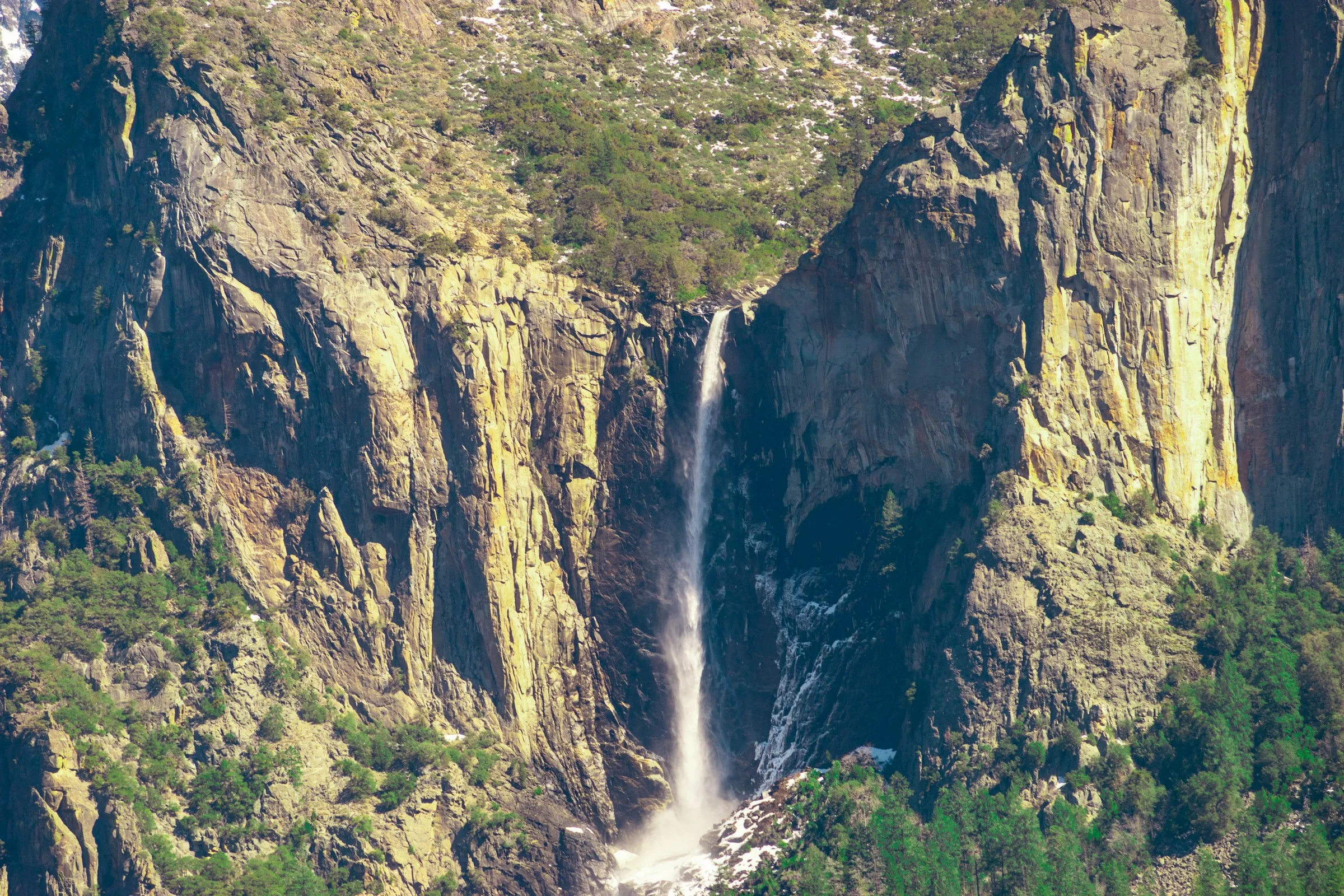
United States · LIFE LISTFirst-visit notes
Life List · First-visit field guide
Yosemite National Park
A first Yosemite trip depends on separating year-round valley access from seasonal high-country access, choosing a base before collecting viewpoints, and planning parking, overnight reservations, bear-safe food storage, and hiking ambition as one connected system.
Why it belongs on the listWhy it belongs on your Life List
What makes this place worth a lifetime detour
Life List status is about an experience that is difficult to substitute, not simply popularity.
Yosemite belongs on a Life List because its granite walls, waterfalls, giant sequoias, and high-country roads form one of the most recognizable mountain landscapes on Earth, yet the park changes character completely between the Valley and the Sierra high country.
Signature experiences
The experiences that define this park
These are representative experiences, not a promise that every activity will be available under current conditions.
- 01
Stand in Yosemite Valley with the full granite scale around you
- 02
Choose one waterfall or granite hike appropriate to season and effort
- 03
Visit a giant sequoia grove
- 04
If seasonal access allows, experience the high country rather than seeing only the Valley
What counts as a complete first visit
A satisfying first completion, not an exhaustive conquest
Use this as a collection-minded benchmark while allowing weather, access, safety, and local rules to change the exact itinerary.
One trail experience
One sequoia experience
A season-aware decision about whether high country belongs in the trip
First-visit verdict
Decide the shape of the trip before the bookings
This page is durable planning context, not a live conditions feed. Recheck every authority before departure.
Best planning window
May through October supports many classic first visits, but Yosemite spans large elevation differences. Valley access can remain available while Tioga Road, Glacier Point Road, high-country trails, and services follow a much shorter snow-dependent season.
First visit
3–5 days for a broad first visit; fewer days work best when the trip prioritizes Yosemite Valley plus one additional geographic area
Gateway logic
Yosemite Valley is the practical first-visit center for many trips, but the best entrance and overnight base depend on whether the itinerary emphasizes the Valley, Wawona and Mariposa Grove, or seasonal high-country access via Tioga and Glacier Point Roads.
Reservation pressure
Very high
Effort
Moderate
Primary caution
Steep terrain, cold and fast water, bears and food-storage conflicts, seasonal road access, elevation changes, and traffic that can make an overpacked itinerary collapse
Trip fit
Who this park suits
Match the access model and pace to the travelers, not only the scenery.
Good fit
- First-time scenic visitors
- Families using Valley infrastructure
- Day hikers
- Road trippers willing to plan around seasonal high-country access
Less suitable when
- Trips that assume Tioga Road or Glacier Point Road is available year-round
- Visitors who expect to move a parked vehicle repeatedly through Yosemite Valley during peak periods
- Itineraries that depend on unreserved overnight lodging or camping
Transport fit
- Rental car or road-trip vehicle for regional access
- Yosemite Valley shuttle for movement after parking
- Regional transit where schedules fit a Valley-centered trip
Priority order
Build the first visit around these decisions
Keep the plan credible before adding optional stops.
- 01
Decide whether the trip is Valley-centered or includes high country before choosing lodging and entrances.
- 02
Treat Tioga Road and Glacier Point Road as seasonal access layers that must be rechecked, not as guaranteed parts of a spring or fall itinerary.
- 03
Park once when practical in Yosemite Valley and use the shuttle or walk rather than repeatedly repositioning the car.
- 04
Reserve overnight lodging, camping, wilderness access, and Half Dome permits separately when the itinerary depends on them.
Planning decisions
Make the high-friction choices explicit
These are the decisions most likely to change the shape of a first visit.
Yosemite Valley and the high country run on different seasons
Yosemite Valley and several western entrances remain accessible much more consistently than Tioga Road and Glacier Point Road. Snow closes the high-elevation roads each winter, and spring opening dates vary enough that NPS says they cannot be predicted reliably in advance.
- Build spring and fall itineraries so they still work if high-country roads are unavailable.
- Check current road status before committing to Tuolumne Meadows, Glacier Point, or an east-side crossing.
- Treat current-year opening dates as temporary operating information, not evergreen travel rules.
Choose the base before solving parking
Yosemite is nearly 1,200 square miles, while many first-time visitors concentrate in Yosemite Valley. The practical strategy is to reduce unnecessary cross-park driving and avoid repeatedly moving a vehicle once a useful Valley parking position is found.
- Choose lodging or camping around the areas that dominate the itinerary.
- Use the Valley shuttle and walking network after parking when that reduces repeated traffic exposure.
- Expect weekend and peak-period traffic and leave time margins rather than stacking timed activities.
No entry reservation does not mean no reservation planning
Yosemite does not require a timed vehicle reservation to enter in 2026, but lodging, campgrounds, wilderness trips, and Half Dome access have separate reservation or permit systems. These should be treated as different planning layers.
- Do not mistake open park entry for overnight availability.
- Secure lodging or camping before building an itinerary that depends on sleeping inside the park.
- Check wilderness and Half Dome permit rules separately when those objectives are part of the trip.
Food storage is part of trip logistics
Yosemite bears are active around roads, campgrounds, and developed areas. NPS treats food and scented items broadly and requires approved storage practices; wilderness travelers also need approved bear-resistant food storage.
- Treat toiletries, trash, coolers, and scented items as attractants, not just meals.
- Use food lockers and approved storage exactly as current NPS guidance requires.
- Check wilderness bear-canister requirements before any overnight backcountry trip.
Common mistakes
What makes a first visit harder than it needs to be
Assuming every Yosemite area shares the same season because Yosemite Valley is accessible.
Choosing lodging by price alone without considering entrance, Valley traffic, and daily driving time.
Arriving without an overnight reservation and assuming a campsite or lodging room will appear.
Leaving food or scented items unsecured in ways that create bear conflicts.
Wildlife, safety, and care
Leave certainty out of the plan
Weather, wildlife, roads, closures, reservations, and local operating rules can change.
Wildlife and safety
Black bears and other wildlife can appear near roads, campgrounds, and trails. Never feed or approach wildlife, follow current NPS distance guidance, and secure food, trash, toiletries, coolers, and other scented items exactly as required.
Conservation
Stay on established routes, protect meadows and sequoia roots from trampling, use required food storage, and let current road, trail, fire, water, and wildlife restrictions override a saved itinerary.
Before departure
Recheck what can change
Do not rely on a saved itinerary for operating conditions.
- 01
Current Yosemite road status, especially Tioga Road and Glacier Point Road
- 02
Current conditions, alerts, fire, smoke, weather, and trail notices
- 03
Current lodging and campground reservation status for the selected base
- 04
Current wilderness or Half Dome permit requirements when relevant
- 05
Current Valley traffic, shuttle, and parking guidance
- 06
Current bear and food-storage requirements for lodging, camping, and wilderness travel
Related decisions
Use the park in a real trip decision
These guides compare access, pacing, transport, or trip structure without duplicating this park-level guide.
Plan Yosemite by Season and Access Layer
Separate Yosemite Valley from the high country before choosing routes, lodging, and daily objectives because the park’s elevation zones do not share one operating season.
Open decision guideHow to Pair San Francisco with Yosemite
Use San Francisco as a separate gateway-city stop around Yosemite, then let Yosemite Valley, high-country access, reservations, and road status determine the park days.
Open decision guideStay in Yosemite Valley or a Gateway Town?
Compare Valley lodging with El Portal, Mariposa, and southern gateways by the park areas you will actually visit.
Open decision guideCan You Visit Yosemite Without a Car?
Build a Yosemite Valley-centered visit around YARTS and the free Valley shuttle, then test each non-Valley objective against seasonal service.
Open decision guideYosemite or Sequoia and Kings Canyon for a First Sierra Trip?
Choose between Yosemite granite-and-waterfall days and a Giant Forest, Grant Grove, and Kings Canyon road itinerary.
Open decision guideKeep comparing
Forests, Lakes & Waterfalls
Entrances, timed access, shuttles, walking, rain, and crowd pressure.
Regional field guide
Sierra Forests and Valleys: Yosemite or Sequoia
Choose between a Yosemite Valley-centered trip and a Sequoia and Kings Canyon grove-and-road journey, then set the right base and transport plan.